When the Rain Just Won't Stop
Part One

Managing sodden pastures without compromising cow health, soil structure or farm performance
There are few sights more frustrating for a dairy farmer than looking across paddocks that have become saturated after days—or even weeks—of relentless rain. What was once a productive grazing platform quickly transforms into a landscape of muddy gateways, standing water and vulnerable pasture. Every decision becomes more difficult. Where can the cows graze without causing irreversible damage? Will pasture recover? How will supplementary feed stretch? And perhaps most importantly, how do you balance protecting your soils while still maintaining production?
For many New Zealand dairy farmers, excessively wet conditions have become an increasingly familiar challenge. While rainfall has always been part of farming, changing weather patterns appear to be delivering heavier downpours and longer periods of unsettled conditions. The result is a growing need to rethink how farms are managed when nature refuses to cooperate.
The good news is that while no one can control the weather, there are plenty of practical strategies that can reduce the impact of prolonged wet conditions. The key lies in making timely decisions that protect the farm's greatest assets—its soils, pastures and livestock—while keeping the business moving forward.
One of the first casualties of prolonged rain is pasture utilisation. Although paddocks may appear green from a distance, much of the available feed can become inaccessible once soils reach saturation point. Grazing cows on wet ground inevitably leads to pugging, where the weight of animals compresses the soil and leaves deep hoof prints across the paddock.
Pugging does far more than create an untidy appearance. It damages soil structure by squeezing out valuable air spaces that plant roots rely on. Once compacted, soils struggle to drain effectively, oxygen levels decline and pasture growth slows significantly. Damaged root systems often take weeks, and sometimes months, to recover.
Research carried out in New Zealand has consistently shown that severe pugging can reduce subsequent pasture production for an extended period. Depending on soil type and the severity of the damage, farmers may experience reduced growth well into the following grazing rotations. In some situations, complete pasture renewal may become necessary.
This is why experienced dairy farmers often describe soil as their most valuable long-term investment. While a paddock can recover from a missed grazing, repairing damaged soil structure requires considerably more time, money and patience.
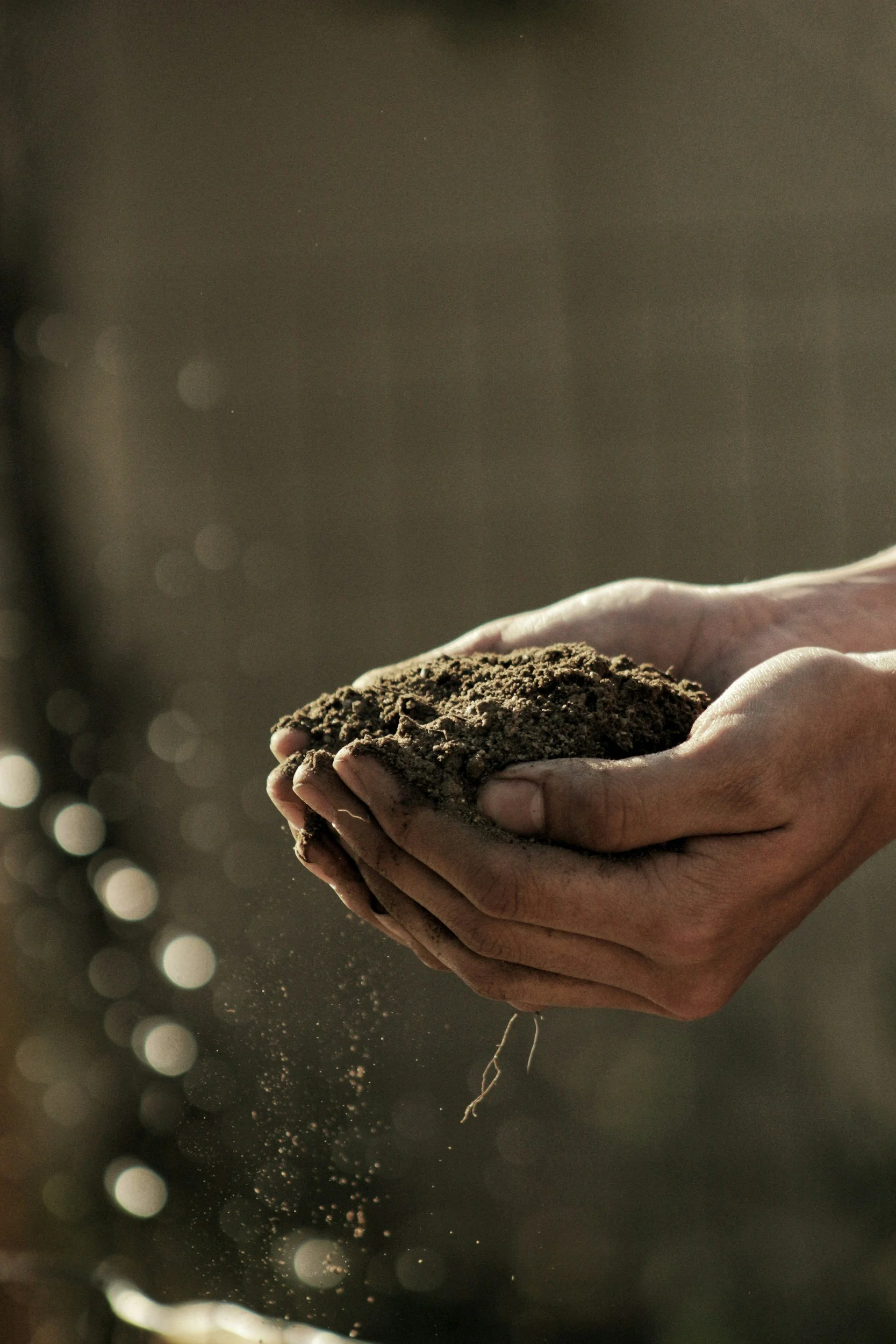
Understanding your farm's soil type plays a significant role in managing wet conditions. Heavy clay soils naturally retain more water and are slower to drain, making them particularly susceptible to compaction. Conversely, lighter sandy soils drain more readily but can still suffer structural damage if grazed while saturated.
Recognising which paddocks are most vulnerable allows farmers to make more informed grazing decisions. Lower-lying areas, poorly drained paddocks and gateways often become problem zones long before the remainder of the farm reaches saturation.
Rather than attempting to spread damage across the entire property, many successful farmers choose to protect the majority of their grazing platform by designating specific sacrifice paddocks. While deliberately allowing one paddock to sustain heavy damage may seem counterintuitive, sacrificing a small area can preserve the productivity of dozens of others.
The concept is simple. Instead of allowing cows to wander across multiple saturated paddocks, they are temporarily confined to an area where supplementary feed can be offered. Once conditions improve, that sacrifice paddock can be renovated while the remainder of the farm continues producing quality pasture.
Feed pads and stand-off facilities have also become increasingly valuable tools during wet winters. These facilities provide cows with a dry surface where they can rest between grazing periods, dramatically reducing the amount of time spent walking on vulnerable soils.
Many farmers who have invested in stand-off infrastructure report improvements that extend well beyond protecting paddocks. Cleaner cows, reduced lameness, improved body condition and greater flexibility during difficult weather events often justify the investment over time.
Of course, not every dairy operation has access to purpose-built facilities, and many smaller farms successfully manage wet conditions using simpler approaches. Shorter grazing periods, back fencing and frequent paddock shifts can all reduce the amount of soil damage while still allowing cows to harvest fresh pasture.
Back fencing is particularly valuable because it prevents cows from repeatedly walking over recently grazed ground. Every unnecessary hoof print contributes to soil compaction, so limiting traffic wherever possible helps preserve pasture recovery.
Gateway management often becomes another overlooked priority during wet weather. These high-traffic areas quickly deteriorate into deep mud as hundreds of cows pass through daily. Installing stone, geotextile fabric or reinforced surfaces can significantly reduce maintenance while improving cow comfort.
Laneways deserve equal attention. A poorly maintained race can become slippery and uneven, increasing the risk of lameness while slowing cow movement. Well-drained races with adequate stone not only improve animal welfare but also minimise the amount of mud being carried into paddocks.
Protecting cows during prolonged wet weather extends beyond simply keeping their feet dry. Dairy cows expend more energy walking through mud than many farmers realise. Deep, sticky ground requires additional effort, meaning cows burn valuable energy reserves that would otherwise contribute to milk production or body condition.
This extra energy demand becomes particularly significant during early lactation when nutritional requirements are already high. If feed intake falls because pasture utilisation declines while energy expenditure increases, cows can quickly slip into negative energy balance.
Supplementary feeding therefore becomes an important management tool rather than simply a production booster. High-quality silage, baleage or maize silage can help fill nutritional gaps when grazing conditions limit pasture intake. Equally important is ensuring feed is presented in a way that minimises wastage. Feeding expensive supplements onto heavily churned mud often results in considerable losses as feed becomes contaminated or trampled into the ground.
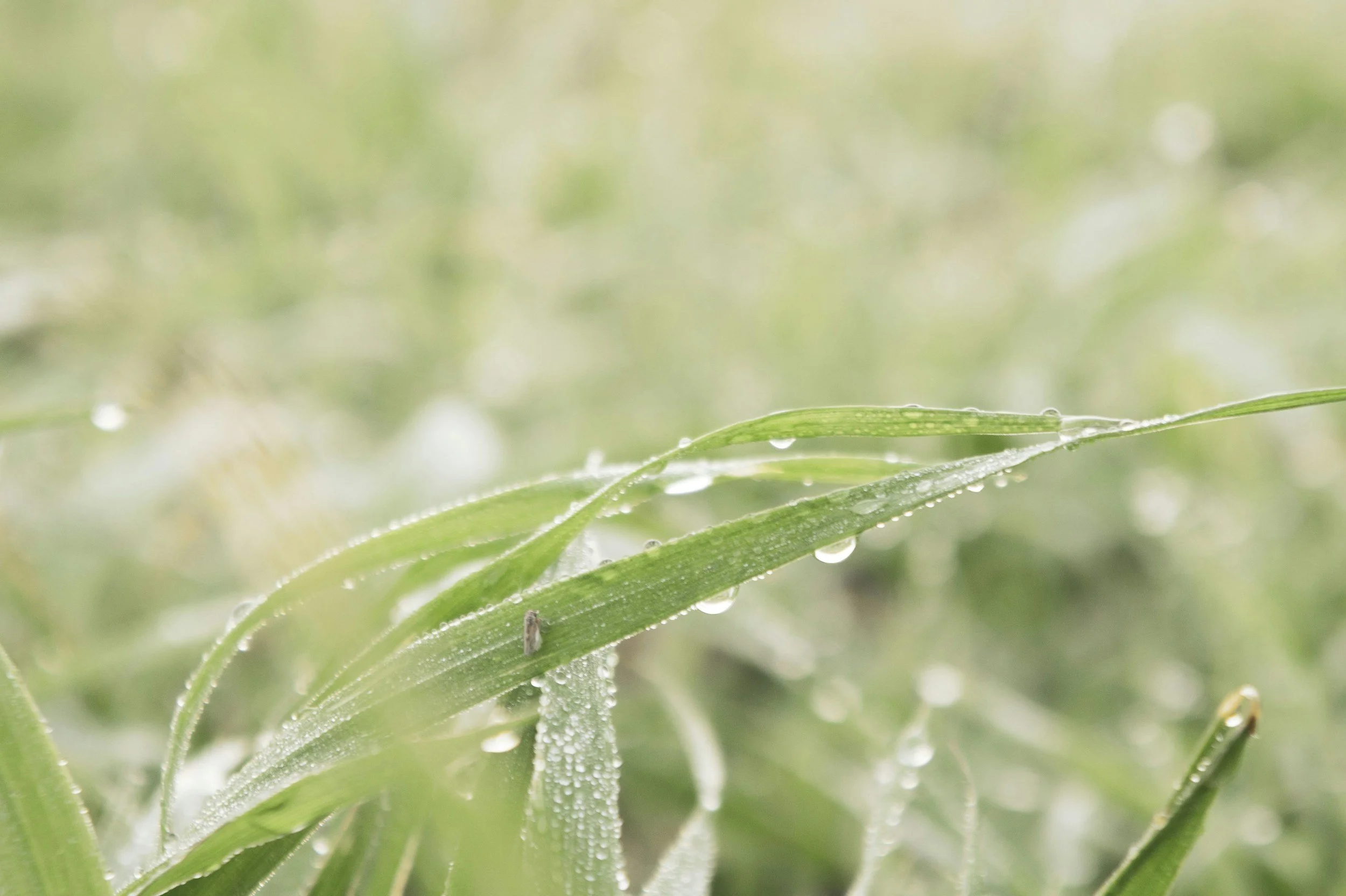
Water supply also deserves close monitoring. Heavy rainfall does not necessarily guarantee clean drinking water. Surface runoff can introduce sediment into troughs, while flooding may contaminate water sources with soil or organic matter. Fresh, clean water remains essential for maintaining milk production regardless of weather conditions.
Animal health considerations also shift during extended wet periods. Constant exposure to muddy environments increases the risk of foot problems, including foot rot and other infectious conditions. Farmers should remain vigilant for early signs of lameness, as prompt treatment often prevents more serious complications developing.
Mastitis risk may also increase when cows spend prolonged periods lying on wet or dirty surfaces. Maintaining clean loafing areas wherever possible and ensuring milking hygiene remains consistent become even more important during challenging weather.
Body condition scoring should continue throughout the season, particularly if grazing conditions remain difficult for several weeks. Small losses in condition can quickly become significant if nutritional deficits are not addressed early.
For farmers managing spring-calving herds, protecting young stock deserves equal attention. Calves are particularly vulnerable to cold, wet conditions and require clean, sheltered environments to minimise health challenges. Investing time in maintaining dry bedding and reducing exposure to wind and rain often pays dividends through improved growth rates and lower veterinary costs.
Perhaps the greatest challenge during prolonged wet weather is resisting the temptation to chase every kilogram of available pasture. While it can be difficult to leave grass behind, grazing saturated paddocks too aggressively often creates longer-term production losses that far outweigh the short-term feed gained.
Experienced farmers frequently talk about "playing the long game." Preserving soil structure today creates stronger pasture growth tomorrow, reducing the need for costly regrassing and improving farm resilience over future seasons.
Rain eventually stops. The challenge is ensuring the farm is still in a position to respond once conditions begin to improve.