
When the Rain Just Won't Stop
Part Two

Managing sodden pastures without compromising cow health, soil structure or farm performance
As paddocks begin to dry, it can be tempting to breathe a sigh of relief and simply carry on with business as usual. However, what happens in the days and weeks following prolonged wet weather often determines how quickly a farm returns to full productivity. Recovering damaged pasture requires patience, careful planning and an understanding that some paddocks will bounce back more readily than others.
The first priority is to assess the extent of the damage honestly. Not every paddock that has experienced wet conditions will require renovation. Many pastures have an impressive ability to recover naturally if their root systems remain intact and grazing pressure is eased while soils continue drying. Walking each paddock and evaluating the depth of pugging, the condition of the pasture plants and how well the soil is draining will help determine the most appropriate course of action.
Where hoof marks are shallow, time may be the best remedy. Allowing these paddocks an extended recovery period before the next grazing can encourage new tiller development and help restore plant vigour. Grazing too soon often compounds the problem by placing additional stress on already weakened plants.
More severely damaged paddocks may require mechanical intervention. Light rolling, where appropriate, can help level the surface once soil moisture reaches suitable levels, although this should never be attempted while the ground remains saturated. Rolling wet soils can create further compaction, undoing any potential benefit. Some farmers choose to harrow lightly to spread manure and smooth the surface, while others may opt for direct drilling or complete pasture renewal where damage is extensive.
The decision to reseed should be based on pasture density rather than appearance alone. A paddock that looks untidy immediately after winter may still recover into a productive pasture during spring. Conversely, if large bare areas have developed or desirable grasses have been replaced by weeds and mud, investing in new pasture may provide a stronger return over the coming years.
Selecting the right pasture species also becomes an opportunity to improve resilience. Modern ryegrass cultivars, diverse pasture mixes and deeper-rooting species are increasingly being considered by farmers looking to cope with both wetter winters and drier summers. While no pasture can eliminate the effects of extreme weather, choosing varieties suited to local conditions can improve recovery and persistence over time.
Nutrient management deserves careful attention following prolonged rainfall. Heavy rain can move valuable nutrients through the soil profile, reducing availability to pasture and increasing the risk of nutrient losses into waterways. Nitrogen applications, in particular, require careful timing. Applying fertiliser while soils remain waterlogged is rarely effective and can increase environmental risk. Waiting until soil temperatures and moisture levels are favourable allows plants to utilise nutrients more efficiently while reducing unnecessary losses.
Working alongside fertiliser advisers and using soil testing where appropriate helps ensure nutrient decisions are based on evidence rather than assumption. Every season is different, and replacing nutrients that have genuinely been lost is a far more sustainable approach than applying blanket rates across the entire farm.
Environmental stewardship has become an increasingly important consideration for New Zealand dairy farmers, and wet weather places this responsibility under even greater scrutiny. Saturated soils are more vulnerable to runoff, making careful management around waterways, drains and critical source areas essential. Maintaining buffer zones and avoiding unnecessary traffic near waterways helps protect water quality while demonstrating good environmental practice.
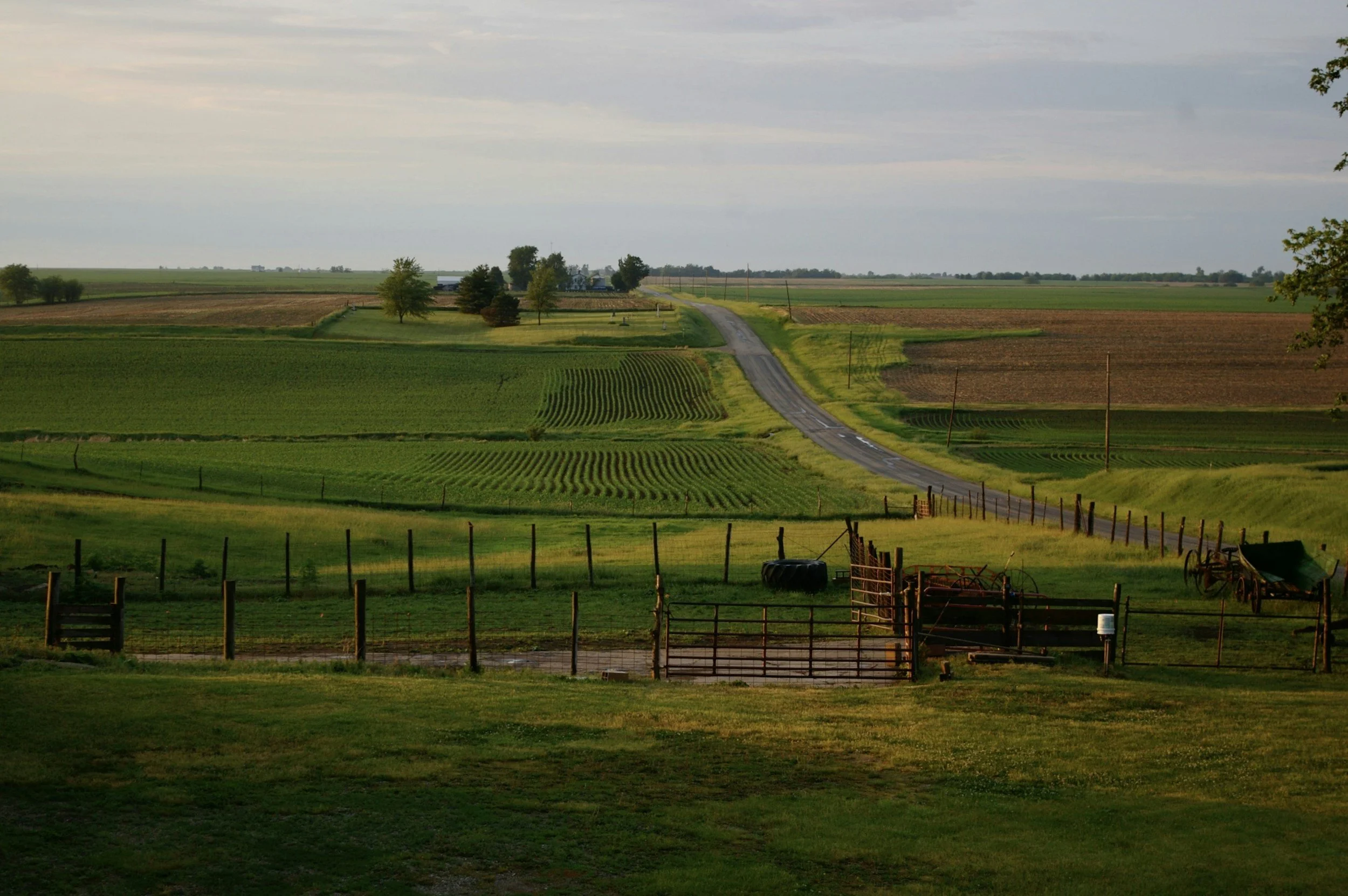
Many farmers are also investing in improved drainage systems where practical. Cleaning existing drains, maintaining culverts and ensuring surface water can move away efficiently can reduce the impact of future rainfall events. While major drainage projects require careful planning and compliance with regional regulations, even relatively small improvements often deliver noticeable benefits during prolonged wet periods.
Trees and shelter belts can also play an understated role in helping farms cope with adverse weather. Shelter reduces wind chill, improves animal comfort and helps some paddocks dry more quickly by reducing exposure to persistent cold winds. Well-designed shelter plantings also contribute to biodiversity and create a more resilient farming landscape.
Technology is playing an increasingly valuable role in helping farmers make better decisions during challenging weather. Soil moisture monitoring, weather forecasting tools and pasture measurement technologies allow farmers to respond proactively rather than reactively. Instead of relying solely on experience or visual observation, today's farmers have access to information that can support grazing decisions, fertiliser timing and feed budgeting with greater confidence.
Regular feed budgeting becomes particularly valuable during prolonged wet periods. Understanding how much pasture is genuinely available, how quickly it is growing and what supplementary feed reserves remain enables farmers to avoid unpleasant surprises later in the season. While making decisions under pressure is never easy, having accurate information often reduces stress and supports better outcomes.
Perhaps one of the most overlooked aspects of managing extended periods of rain is the wellbeing of the people doing the farming. Long days, constant changes to grazing plans and the physical challenge of working in wet conditions can take a toll on even the most experienced operators. Farmers often pride themselves on simply getting on with the job, but prolonged periods of difficult weather can create fatigue that affects decision-making as much as it affects morale.
Talking through management options with farm staff, neighbours, consultants or rural professionals can provide fresh perspectives and reduce the feeling of having to solve every problem alone. Farming has always been built on communities supporting one another, particularly during difficult seasons, and those connections remain just as valuable today.
One reassuring aspect of New Zealand agriculture is the remarkable adaptability shown by dairy farmers. Every challenging season brings new lessons, and many of the management practices now considered standard have evolved through responding to difficult conditions. Whether it is investing in improved infrastructure, changing grazing systems or adopting new pasture management techniques, innovation continues to strengthen the resilience of the dairy sector.
Climate scientists suggest that weather variability is likely to remain a feature of farming in the years ahead. While no one can predict exactly what each season will bring, planning for greater extremes rather than average conditions is becoming an increasingly sensible business strategy. Farms that build flexibility into their systems are often better placed to absorb whatever nature delivers.
That flexibility may involve maintaining greater supplementary feed reserves, developing stand-off facilities, improving drainage, diversifying pasture species or simply having well-considered contingency plans ready before the first major weather event arrives. None of these measures eliminate the challenges of prolonged rainfall, but together they can significantly reduce its impact.
Ultimately, managing rain-sodden pastures is about balancing today's needs with tomorrow's productivity. Every decision made during wet weather carries consequences that extend well beyond the current week or month. Protecting soil structure, maintaining animal welfare and preserving pasture performance all contribute to the long-term sustainability of the farming business.
When the skies finally clear and the sun returns, healthy soils recover more quickly, resilient pastures respond with fresh growth and well-managed cows continue producing. The farms that emerge strongest are rarely those that escaped the rain altogether. More often, they are the farms that adapted, made thoughtful decisions under pressure and never lost sight of the bigger picture.
New Zealand dairy farmers have always demonstrated an extraordinary ability to work with the land rather than against it. Seasons will continue to test that resilience, but with careful management, practical planning and a willingness to adapt, even the wettest winter can become another chapter in the ongoing story of successful farming.
For every muddy gateway, every saturated paddock and every frustrating weather forecast, there is also the opportunity to learn, refine management practices and build a farming system that is stronger for the next challenge. In an industry where resilience has always been one of its greatest strengths, coping with rain-sodden pastures is not simply about surviving another wet season. It is about preparing the farm, the pasture and the people behind it to thrive for many seasons to come.