
A tractor develops a new rattle, a pump starts whining, or a baler begins making a noise that was definitely not part of last season's soundtrack. Experienced farmers know that machinery has a language of its own, and sometimes it starts telling a different story well before anything actually stops working.
The soundtrack of a working farm
Every farm has its own soundtrack. There is the steady thrum of a tractor warming up, the clatter of a loader moving feed, the hum of a pump and the familiar rhythm of machinery doing what it was built to do.
After enough hours in the seat, farmers become remarkably good at recognising these sounds without consciously thinking about them. They know how an engine behaves under load, what a particular implement sounds like when it is working properly, and which rattles belong to the machine's usual collection of noises.
That familiarity can be surprisingly useful. When a machine starts sounding different, the change may be noticeable long before a fault becomes obvious to the eye.
A new squeak, an uneven rumble or a vibration that was not there yesterday can indicate that something has changed inside the machinery. Wear, looseness, friction, misalignment and problems with moving components can all alter the sounds a machine produces. Sometimes the cause is minor. Sometimes it is the beginning of a repair bill that would have been much more welcome at another time of year.
Of course, farm machinery is not particularly good at explaining itself. It cannot tell you which component is wearing out, how long it has been unhappy or whether it plans to choose the busiest day of the season to give up.
It simply makes a noise and leaves the farmer to work out what it means.
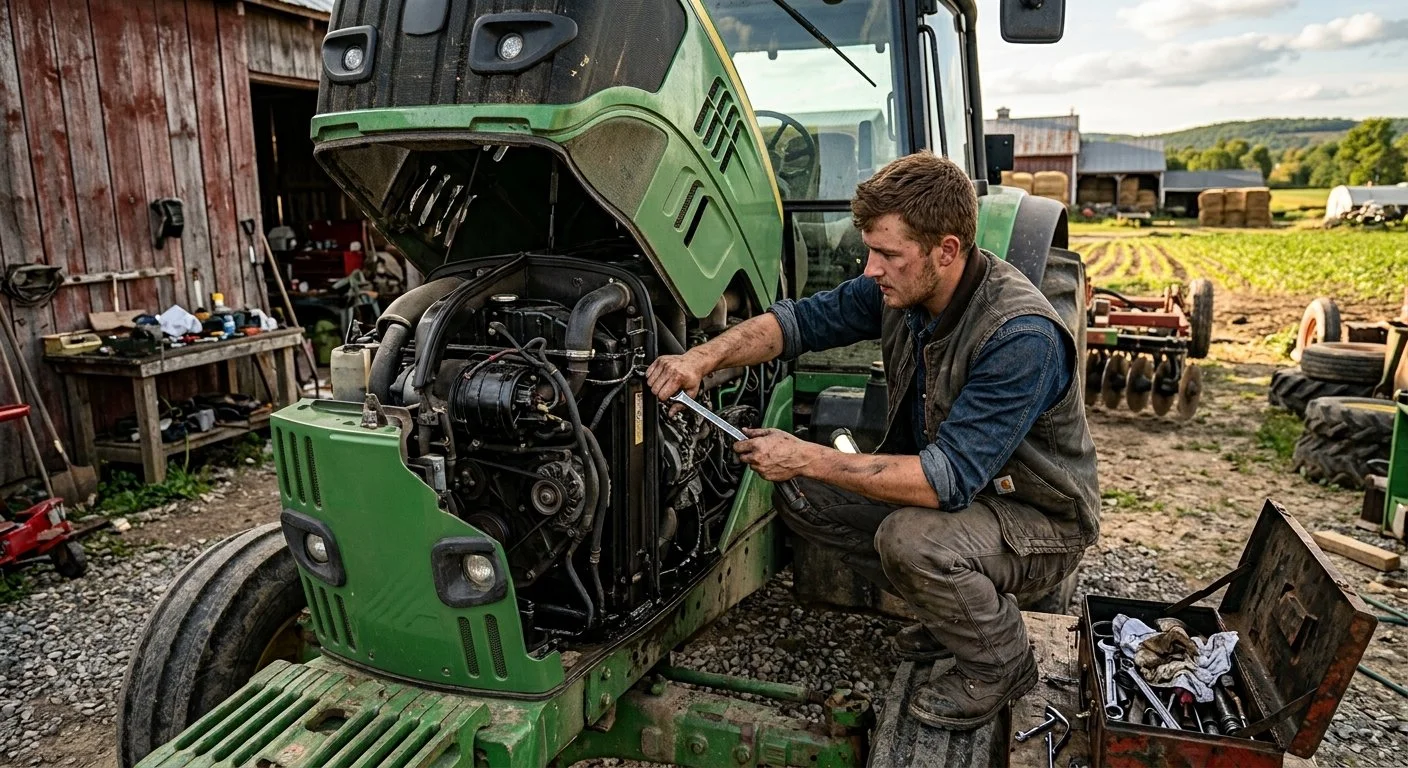
Machines have a normal voice
A working machine produces sound because its components move, rotate, vibrate and interact with one another. Engines combust fuel, belts travel over pulleys, gears mesh, bearings support rotating shafts and hydraulic systems move fluid under pressure.
All of this creates a pattern of sounds that changes with engine speed, workload and operating conditions.
A tractor pulling a heavy implement will naturally sound different from one idling beside the cowshed. A hydraulic system lifting a substantial load may make more noise than it does when the controls are at rest. Cold machinery can also sound different during start-up before oils reach their normal operating conditions.
The important distinction is between a sound that changes for an understandable reason and one that has changed unexpectedly.
A machine that has always made a particular hum is not necessarily a cause for concern. A machine that suddenly develops a harsher hum, begins vibrating more noticeably or produces a new rhythmic knock deserves closer attention.
Experienced operators often recognise these differences because they have an established mental picture of what normal sounds like. They may not be able to describe the exact frequency of a noise, but they can tell you that the tractor sounds rougher than usual or that the pump has developed an unfamiliar note.
That instinct is worth taking seriously. It is not a substitute for proper inspection, but it can be an early clue that something needs investigating.
The little squeak that becomes a big nuisance
Few sounds are quite as irritating as a squeak that appears every time a moving component completes another cycle.
A belt might chirp as it passes over a pulley. A bearing may begin to whine. A rotating part might produce a repetitive scraping sound as it turns.
These noises can develop for several reasons, including wear, inadequate lubrication, misalignment, belt tension problems or contact between components that should not be rubbing against one another.
The difficulty is that different faults can produce similar sounds. A squeal does not automatically mean a belt needs replacing, just as a whine does not prove a bearing is failing.
However, a new noise is a useful reason to inspect the machine rather than simply turning up the radio.
A belt that slips may lose efficiency and generate heat. A bearing that is deteriorating may develop roughness and vibration. A component that has shifted out of alignment may place additional stress on connected parts.
Left unchecked, one problem can sometimes contribute to another. A poorly aligned drive can place extra loads on bearings, while a worn component can cause belts or connected parts to work harder than intended.
This is how an initially small issue can become a more complicated repair. The original fault may have been relatively straightforward, but continued operation can allow the damage to spread.

When a rattle develops its own rhythm
A loose rattle is one of those sounds that can be dismissed surprisingly easily on a farm.
Machinery works in dusty, muddy and often uneven conditions. Implements encounter bumps, working components move repeatedly, and equipment is exposed to vibration throughout its working life. It is hardly surprising that bolts, guards, brackets and other fittings occasionally need attention.
The question is whether the rattle is familiar or new.
A guard that has worked loose may vibrate against the frame. A worn joint may develop movement. A damaged mounting or a component beginning to wear can create a regular knocking or clattering sound.
Sometimes the source is something simple, such as a loose panel or a piece of equipment striking another part during operation. At other times, the sound may originate deeper within the machinery.
Rhythm can provide a clue. A noise that repeats with each rotation or changes as the machine speeds up may be connected to a moving component. A clunk that appears when a load changes could have a different cause from a continuous metallic rattle.
None of these clues provides a definite diagnosis on its own, but they help explain why paying attention matters.
A machine does not have to be falling apart to deserve a closer look. In fact, the ideal time to investigate a developing fault is before it gets anywhere near that stage.

Why bearings sometimes sound like they have swallowed gravel
Bearings spend their working lives supporting moving parts while allowing them to rotate with relatively little resistance. They are not especially glamorous components, but machinery would struggle to function without them.
When a bearing is in good condition, its operation may produce a fairly steady, unobtrusive sound. As surfaces wear or become damaged, that sound can change. A bearing may develop a rough growl, a rumble or a high-pitched whine.
Contamination, lubrication problems, excessive loads and normal wear can all contribute to bearing damage. The operating environment on a farm can be demanding, with dust, moisture, dirt and vibration creating additional challenges for exposed or poorly protected components.
The tricky part is that the noise may be subtle at first. The machine can continue working, sometimes for a considerable period, even though a component is no longer in the condition it should be.
As damage progresses, vibration and heat may increase. Eventually, a bearing can fail badly enough to damage surrounding components or bring the machine to a halt.
That is why an unfamiliar rumble deserves more respect than a simple annoyance. It may not be a bearing at all, but it is worth having the source identified before the problem worsens.
There is a big difference between a farmer saying, "That machine sounds a little rough today," and having to explain why a repair that could have been investigated earlier has now become a much larger job.
Hydraulic systems have their own way of complaining
Hydraulic equipment is found throughout modern farming, from tractor linkages and loaders to implements that rely on hydraulic power to operate.
These systems move fluid under pressure to produce force and movement. Their sounds can change as the load changes, so a pump that becomes slightly louder while performing a demanding task is not necessarily developing a fault.
However, an unfamiliar whine, harsh buzzing, irregular rattling or knocking sound can indicate a problem that needs attention.
Possible causes include restricted fluid supply, air entering the system, unsuitable fluid conditions, worn components or other hydraulic faults. A pump that sounds different may also be responding to a change elsewhere in the system rather than failing itself.
This is another reason not to diagnose machinery by sound alone.
If a hydraulic function becomes slower or less consistent at the same time as a new noise appears, that combination is particularly useful information to pass on to a mechanic. Changes in temperature, visible leaks or unusual vibration may provide further clues.
Hydraulic systems also deserve respect for safety reasons. Fluid under pressure can cause serious injuries, and a suspected leak should never be investigated by running a hand over hoses or fittings. Any inspection or repair must follow the manufacturer's safety procedures, with the system safely isolated and pressure relieved as required.
A machine making an unfamiliar hydraulic noise is giving you a reason to investigate, not an invitation to start undoing fittings beside a running pump.

The difference between a noisy morning and a warning sign
Not every change in machinery noise means something is about to break.
A cold start can sound different from normal operating temperature. A tractor under heavier load will produce a different engine note from one travelling across a flat paddock. An implement working through denser material may become noisier because it is doing more work.
Conditions also change across the farming year. Dust, moisture, temperature, ground conditions and the material being handled can all influence how machinery sounds and behaves.
The useful question is whether the change makes sense in the circumstances.
If a machine becomes noisier because it is carrying a heavier load, that may be entirely expected. If the same machine produces a new grinding sound under an otherwise familiar workload, that is a different matter.
Changes in sound are particularly worth noting when they occur alongside other symptoms. Increasing vibration, unusual heat, fluid leaks, reduced performance or inconsistent operation can help distinguish a developing problem from an ordinary change in working conditions.
Sound is a clue, not a verdict. The aim is to notice the change early enough to have it checked properly, rather than waiting until the machine provides a more dramatic explanation.
Why the busiest day always seems to be involved
Farm machinery has a remarkable talent for becoming unreliable when there is the least time available to deal with it.
The tractor chooses the day a paddock needs attention. The pump develops a new noise when water demand is high. The implement starts misbehaving just as the weather provides a narrow window for getting a job done.
Of course, machinery does not actually consult the farming calendar before developing a fault. The problem is that the consequences of a breakdown are much more noticeable when equipment is needed urgently.
A developing fault caught during a quieter period may allow time to organise an inspection, source a part and plan the repair. The same fault discovered halfway through an important job can create delays, additional costs and considerable frustration.
This is one reason routine checks and preventative maintenance matter. They provide opportunities to notice changes before a machine is needed for its next major task.
Listening is a useful part of that process because it costs very little to pay attention to a machine's normal operating sound. It does not require specialist equipment, although trained technicians may use vibration analysis, temperature measurements and other diagnostic methods to investigate suspected faults more precisely.
Sometimes the farmer's most valuable contribution is simply being able to say, "It never used to sound like that."
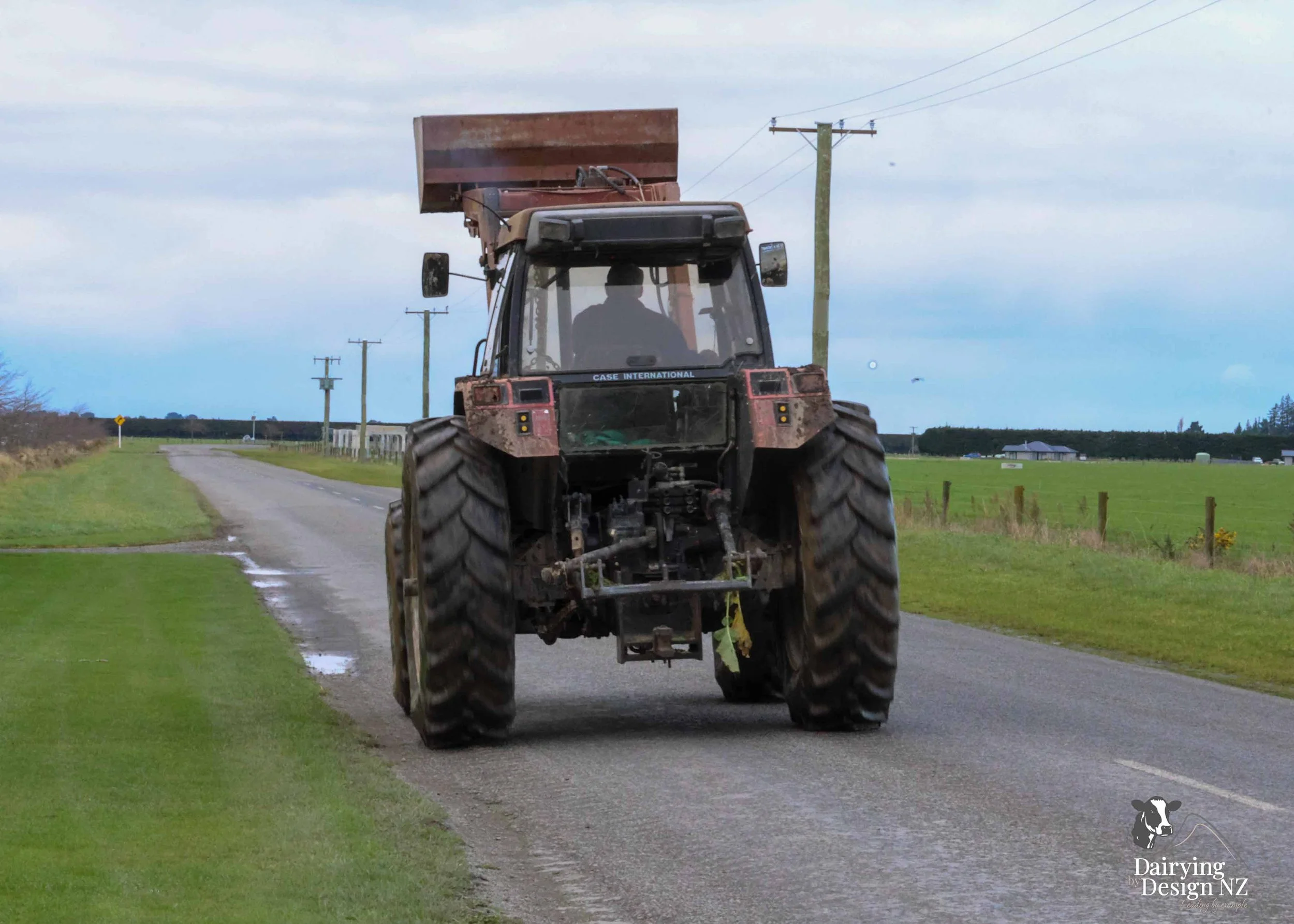
Photo by Dianna Malcolm
What to do when the soundtrack changes
When a machine develops a new or worsening noise, the sensible response is to assess the situation rather than assume it will disappear.
If the sound suggests a potentially serious fault, or if it is accompanied by severe vibration, grinding, smoke, overheating, a sudden loss of performance or other dangerous symptoms, stop operating the machine as soon as it is safe to do so. Follow the manufacturer's shutdown and isolation procedures and arrange an appropriate inspection.
For less urgent changes, record when the sound occurs, what the machine is doing at the time and whether it changes with speed, load or temperature. Those details can help a qualified mechanic narrow down the possibilities.
Never reach into moving machinery or remove guards while equipment is operating. Before inspecting components, ensure the machine is safely shut down, isolated and secured according to its instructions. Some systems can retain stored energy even after the engine has stopped.
It is also worth resisting the temptation to keep running a machine simply to see whether the noise gets worse. If the sound indicates a potentially damaging fault, that experiment may turn a manageable repair into a more expensive one.
A brief description of the noise, a note of the operating conditions and a timely inspection can be far more useful than waiting for the machine to make its final announcement.
Learn the machine before it learns to stop
Farmers become familiar with their equipment through repetition. They know how the tractor sounds when it starts, how an implement behaves when it is working properly and what changes when the load increases.
That familiarity is more than a matter of experience or personal preference. It provides a baseline against which new sounds can be noticed.
A new squeak might be harmless, while a faint rumble could deserve urgent attention. There is no universal translation guide that turns every noise into a guaranteed diagnosis. What matters is recognising an unexpected change and taking it seriously enough to investigate.
The best outcome is not proving that a farmer's ears were right all along. It is discovering a problem while there is still time to deal with it sensibly.
Because machinery rarely sends a calendar invitation announcing that a bearing is wearing, a belt is slipping or a component has started moving where it should not.
It simply changes the soundtrack.
And when a tractor that has sounded the same for years suddenly develops a new rattle, it might be worth listening before reaching for the radio volume.
After all, the machine may not be trying to ruin your day. It may be giving you the earliest warning you are going to get.