Why Good Cows Leave Too Soon — Tackling Involuntary Culling
Every dairy farmer knows that cows leaving the herd is part of farming.
Herds must evolve. Older cows eventually reach the end of their productive lives, and decisions need to be made about which animals best fit the future direction of the business.
But the cows that leave too early are often the ones farmers never intended to lose.
These are the cows that still had production potential, valuable genetics and years of experience ahead of them. Instead, they leave the herd because of problems that developed along the way — often issues that started months before the final decision was made.
Involuntary culling is not just a herd management issue. It is a reflection of animal health, fertility, environment and the decisions made throughout the cow’s lifetime.
The True Cost of Losing a Productive Cow
When a cow leaves the herd unexpectedly, the cost is greater than the value received at culling.
A replacement animal must take her place.
That replacement represents additional investment in breeding, rearing, grazing and management before she contributes her first litre of milk. At the same time, the farm loses the experience and productivity of a mature cow that may have already proven herself within the system.
Mature cows often play an important role in herd efficiency. They know the farm environment, utilise feed effectively and have demonstrated their ability to become pregnant, calve successfully and produce milk.
Keeping these cows productive for longer is one of the simplest ways to improve herd efficiency.
Lameness: A Problem That Goes Beyond Mobility
Lameness remains one of the biggest challenges affecting cow longevity.
A lame cow does not simply have difficulty walking. Pain affects her ability to compete for feed, visit the feed pad or pasture confidently, lie comfortably and maintain normal behaviour.
Over time, repeated cases of lameness can reduce production, affect fertility and increase the likelihood of early culling.
The key is recognising that lameness prevention starts long before a cow is visibly struggling.
Foot health, comfortable walking surfaces, regular monitoring and early intervention all play a role in keeping cows mobile and productive.
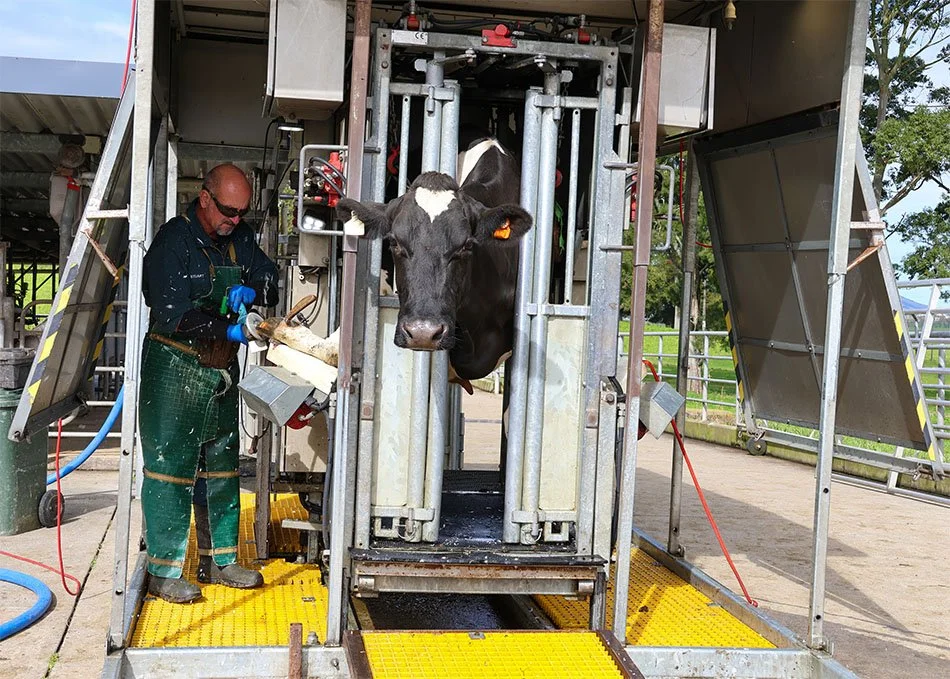
Stuart Rogers from Hoofit trimming a cows hooves - Photo by Dianna Malcolm
Mastitis and the Hidden Impact on Longevity
Mastitis is another major reason valuable cows leave the herd earlier than planned.
While severe cases are obvious, repeated infections and ongoing udder health challenges can have a lasting impact.
Mastitis affects milk production, increases treatment costs and can influence future performance. Cows that experience repeated issues may become harder decisions when considering the long-term direction of the herd.
Good mastitis prevention relies on consistency — from milking routines and hygiene practices through to identifying problems early.
Protecting udder health is ultimately about protecting the cow’s ability to remain productive.
Fertility Failure Removes Valuable Cows
Fertility remains one of the most common reasons cows leave dairy herds.
A cow that fails to get back in calf is not only a reproduction statistic. She represents lost future production and the loss of an animal that may have contributed valuable genetics to the herd.
Fertility challenges often have multiple contributing factors, including body condition, nutrition, health events and management during critical periods.
Supporting reproductive performance starts well before mating. It begins with transition management, maintaining appropriate body condition and ensuring cows have the resources they need to recover after calving.
“The most profitable cow is often the one you never had to replace.”
The Transition Period Sets the Foundation
The weeks around calving are among the most important in a cow’s production cycle.
Poor transition management can increase the risk of metabolic diseases, delayed recovery, reduced milk production and future health challenges.
Conditions such as milk fever, ketosis and displaced abomasum may appear as individual events, but their impact can influence the entire lactation and the cow’s future within the herd.
A successful transition period gives cows the best opportunity to begin lactation strongly and remain productive.
Creating an Environment Where Cows Can Thrive
The physical environment also plays a major role in cow longevity. Comfortable lying areas, good cow flow, access to feed and water, and reduced stress all contribute to healthier cows. A cow that is comfortable can spend more time resting, eating and producing.
As farming systems continue to evolve, designing environments around cow behaviour becomes increasingly important.
The goal is not simply to house cows — it is to create conditions where they can perform and remain healthy.
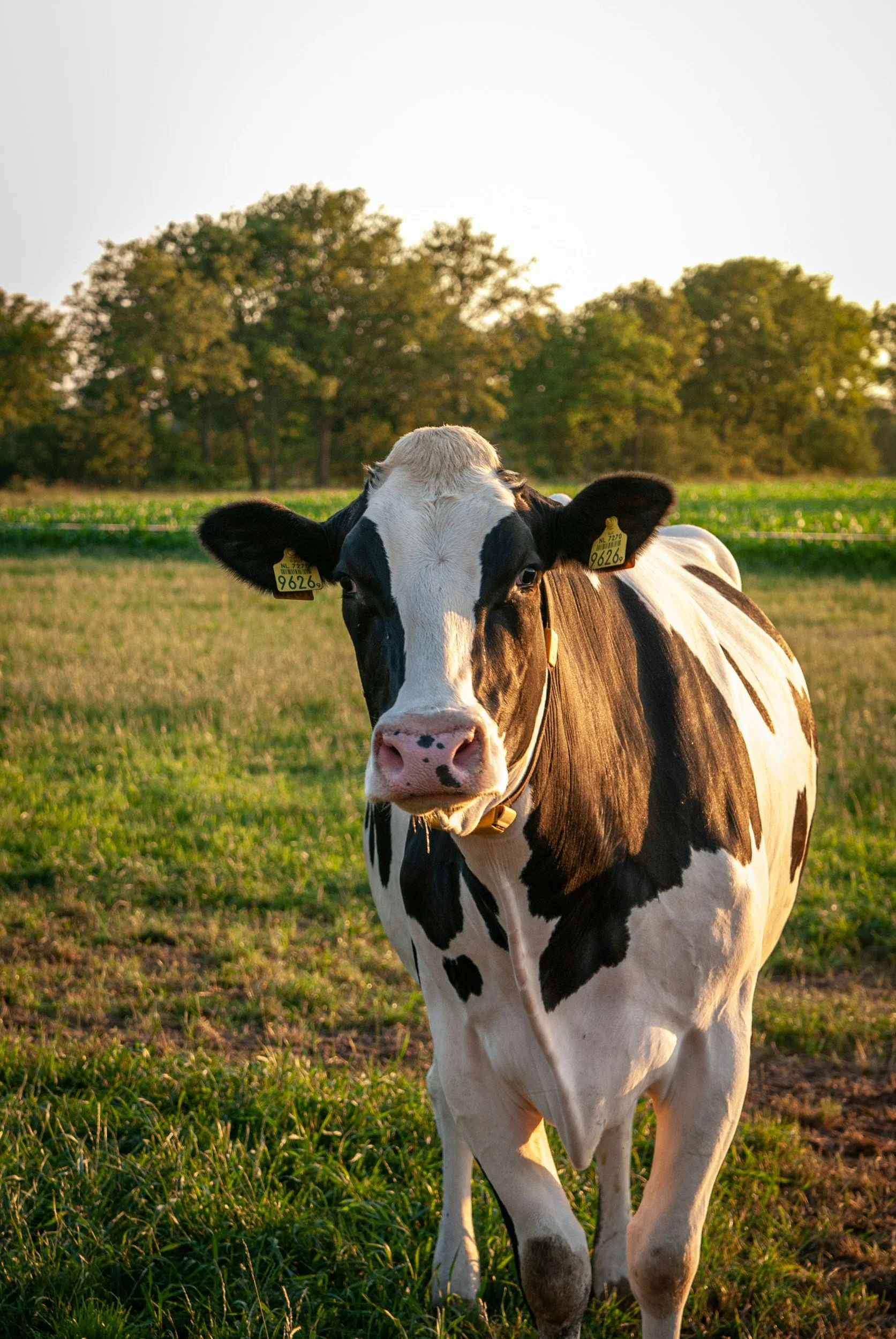
Keeping Good Cows Longer
Improving longevity is not about keeping every cow forever.
It is about ensuring cows leave the herd because they have completed their productive journey, not because preventable problems forced an earlier decision.
Every extra lactation from a healthy, fertile cow improves efficiency. Every cow that stays productive reduces pressure on replacement numbers.
Every decision that protects cow health contributes to a more profitable and sustainable dairy system. The best herds are not built by constantly replacing cows.
They are built by creating the conditions that allow good cows to stay.