
The art and science of reseeding

This is day three of our seven-day series on pasture agronomy, soil health and weed management, and today we are getting down to the practical business of putting a new pasture in the ground.
Pasture renewal is one of those jobs where the money can disappear surprisingly quickly.
There is the seed, fertiliser, cultivation or drilling, weed control, contractor costs and, potentially, a period when the paddock is producing little or no useful feed. That makes establishment one of the most important parts of the entire pasture-renewal process.
Getting the seed into the ground is relatively easy.
Getting it to become a dense, productive and persistent pasture is where the skill lies.
Whether a farmer chooses direct drilling, minimum tillage or full cultivation, the objective remains the same: create the right conditions for the selected plants to establish strongly and compete successfully from the beginning.
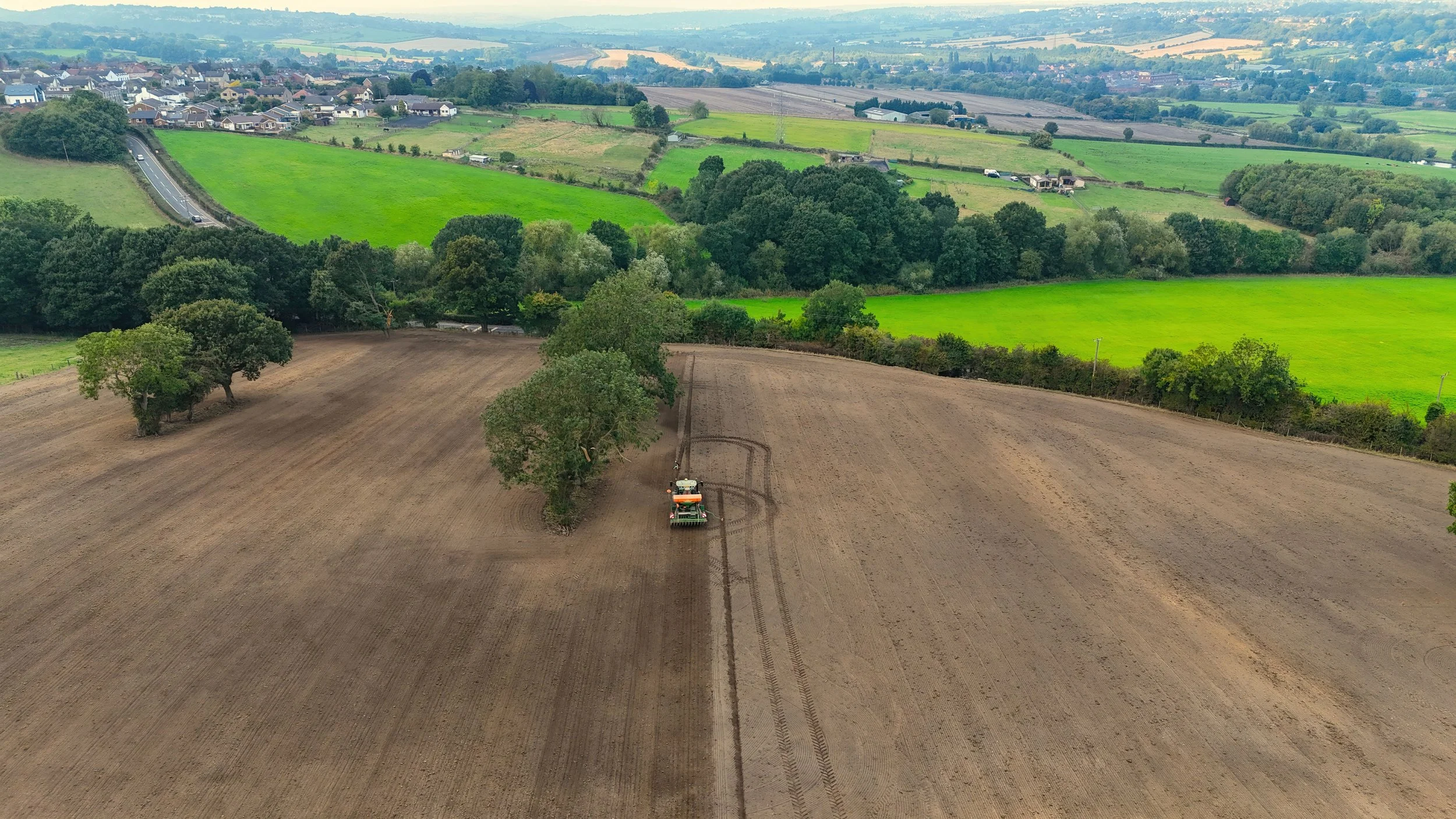
Start with the reason for renewal
Before a paddock is ripped up or a drill arrives, ask why the pasture needs renewing.
Is plant density declining? Has perennial ryegrass disappeared? Is clover struggling? Are weeds becoming a significant part of the paddock? Has the pasture become dominated by less desirable species? Is there a fertility, drainage or compaction problem?
The answer matters because reseeding is not a cure-all.
If poor pasture performance is being caused by drainage problems, severe soil compaction or an underlying fertility issue, simply sowing another pasture over the top may provide only a temporary improvement.
A new pasture can hide a problem for a while, but it cannot necessarily fix it.
The most successful pasture-renewal programmes therefore begin with diagnosis.
Know what went wrong with the old pasture before deciding what the new one needs to do differently.
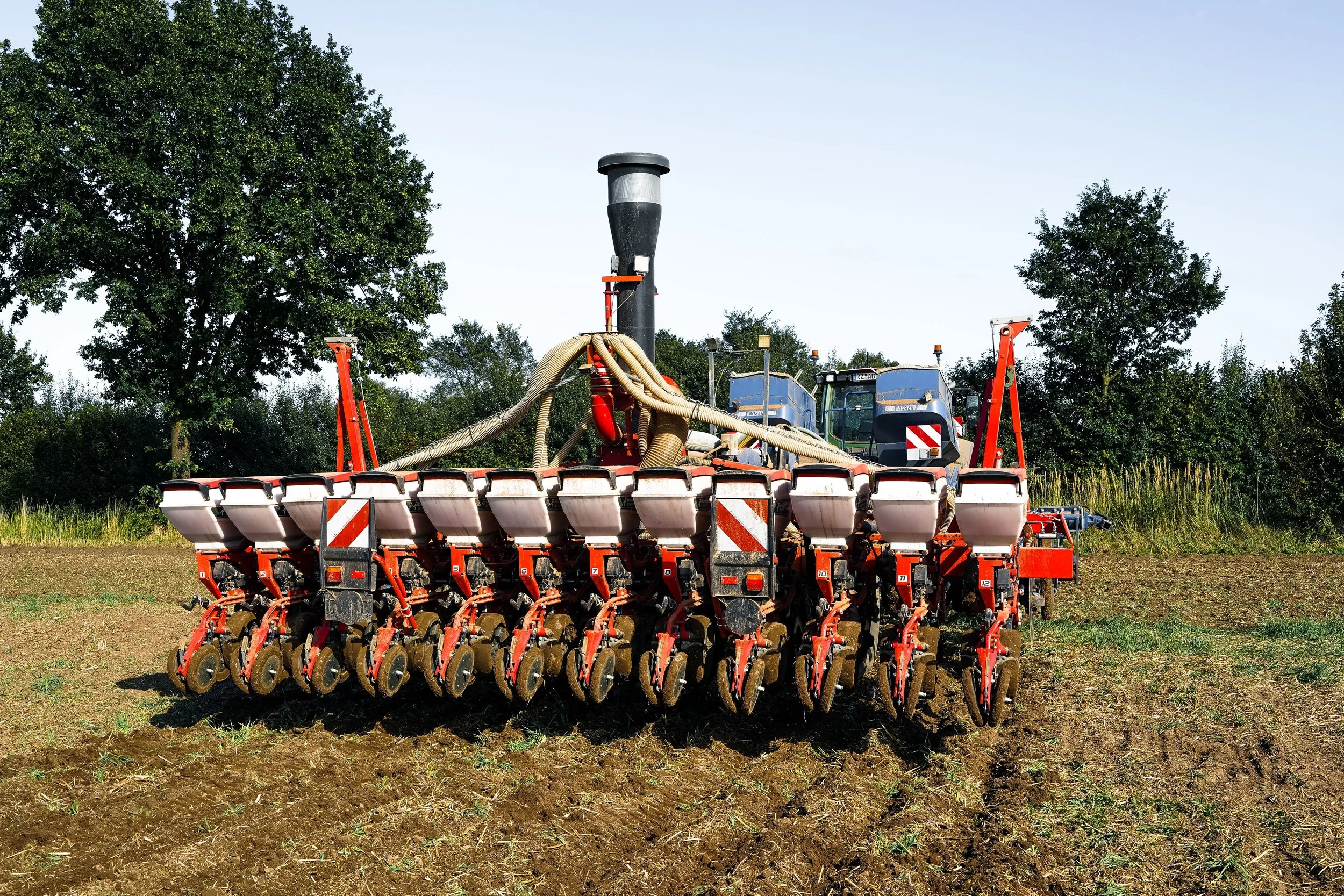
Direct drilling has its place
Direct drilling, or no-till establishment, has become an increasingly useful option for pasture renewal.
Instead of completely turning over the soil, the drill places seed directly into the existing ground with minimal soil disturbance.
There can be significant advantages to this approach. Less cultivation can reduce the amount of soil disturbance, retain more existing soil structure and reduce the number of passes required across the paddock.
It can also reduce the time and fuel involved in establishment.
But direct drilling is not simply a matter of driving the drill across an existing paddock and hoping for the best.
The existing pasture needs to be managed appropriately before drilling, the seed needs good soil contact and competition from the old sward needs to be controlled.
If the existing plants are too vigorous, they can compete strongly with newly germinating seedlings.
No-till does not mean no preparation.
When cultivation may be the better option
There are situations where full cultivation still has an important role.
Where a paddock has significant surface damage, severe weed pressure, uneven ground or a particularly poor existing sward, cultivation can provide an opportunity to start again.
It can allow the farmer to incorporate amendments where appropriate, level the soil surface and create a new seedbed.
It can also provide greater control over the existing vegetation.
However, cultivation comes with costs.
Every cultivation pass uses time, fuel and machinery, and disturbing the soil can increase the risk of erosion or loss of soil structure under unsuitable conditions.
The decision should therefore be based on the paddock rather than on a blanket rule that one establishment method is always better.
The seedbed is everything
A good seedbed should provide the new plant with three things: moisture, seed-to-soil contact and enough stability for the emerging root system to establish.
Too rough and the seed may end up unevenly distributed.
Too loose and the seed may struggle to maintain contact with moisture.
Too compacted and the emerging roots can have difficulty developing properly.
This is why seedbed preparation deserves more attention than simply making the paddock look tidy.
A beautifully cultivated paddock is not necessarily a good seedbed.
The soil needs to be in a condition where the seed can germinate and the young plant can establish rapidly.
Don't bury the seed
One of the most common establishment mistakes is sowing pasture seed too deeply.
Pasture seed is small, and many species have limited energy reserves available to push a new shoot through the soil.
The temptation can be to place seed deeper because deeper soil appears to have better moisture.
But if the seedling cannot reach the surface, that moisture is of little use.
Generally, pasture seed should be placed very shallowly and accurately, with good contact between seed and soil.
The precise depth will depend on the species, soil condition and sowing equipment, so the drill should be set according to the particular pasture being established rather than using one setting for every paddock.
Small seeds need respect.
Moisture is critical
The timing of sowing can be just as important as the equipment being used.
Seed needs sufficient moisture to germinate, but the paddock also needs conditions that allow machinery to work without causing unnecessary compaction or structural damage.
Sowing into dust and hoping for rain is a gamble.
Sowing into saturated soil can create a different set of problems.
Farmers are often working within a narrow window between having enough moisture for establishment and having conditions suitable for machinery.
That is why preparation well ahead of the planned sowing date can pay dividends.
The paddock should be ready to go when the opportunity arrives.
The first strike matters
Getting the first strike is one of the most critical moments in pasture establishment.
This is when the tiny seedlings emerge and begin competing for light, moisture and nutrients.
At this stage, the new pasture is vulnerable.
Competition from weeds can quickly become significant, particularly where the paddock has a history of weed problems. Remaining old pasture plants can also compete with the new seedlings.
The objective is to give the desired pasture species every reasonable opportunity to establish before they have to compete with stronger plants.
This is one reason paddock history is so important.
If the old pasture contained significant weed populations, the renewal strategy needs to account for that from the beginning.
Don't rush the first grazing
There can be a strong temptation to put cows onto a new pasture as soon as there appears to be enough green feed.
That can be a costly mistake.
The plants may look established above ground while still having relatively small root systems below it.
The first grazing needs to be managed carefully so the young plants are not pulled out, damaged or grazed excessively hard.
A carefully timed first grazing can help encourage the new pasture to tiller and establish a stronger structure, but the paddock must be ready for that grazing.
The calendar is less important than the plant.
If the pasture needs another week, another week may be worth considerably more than forcing an early grazing.
Establishment is not finished when the cows go in
The first grazing is not the end of establishment.
The paddock should continue to be monitored closely through the following rotations.
Look for gaps in the sward, emerging weeds, uneven establishment and areas where plants have failed.
A new pasture should ideally develop into a dense and competitive sward. Bare ground provides an opportunity for weeds, while weak establishment can create problems that remain for years.
This is where walking the paddock becomes invaluable.
Do not simply look across the paddock from the gate.
Get out into it.
Kneel down and look at what is actually growing between the plants.
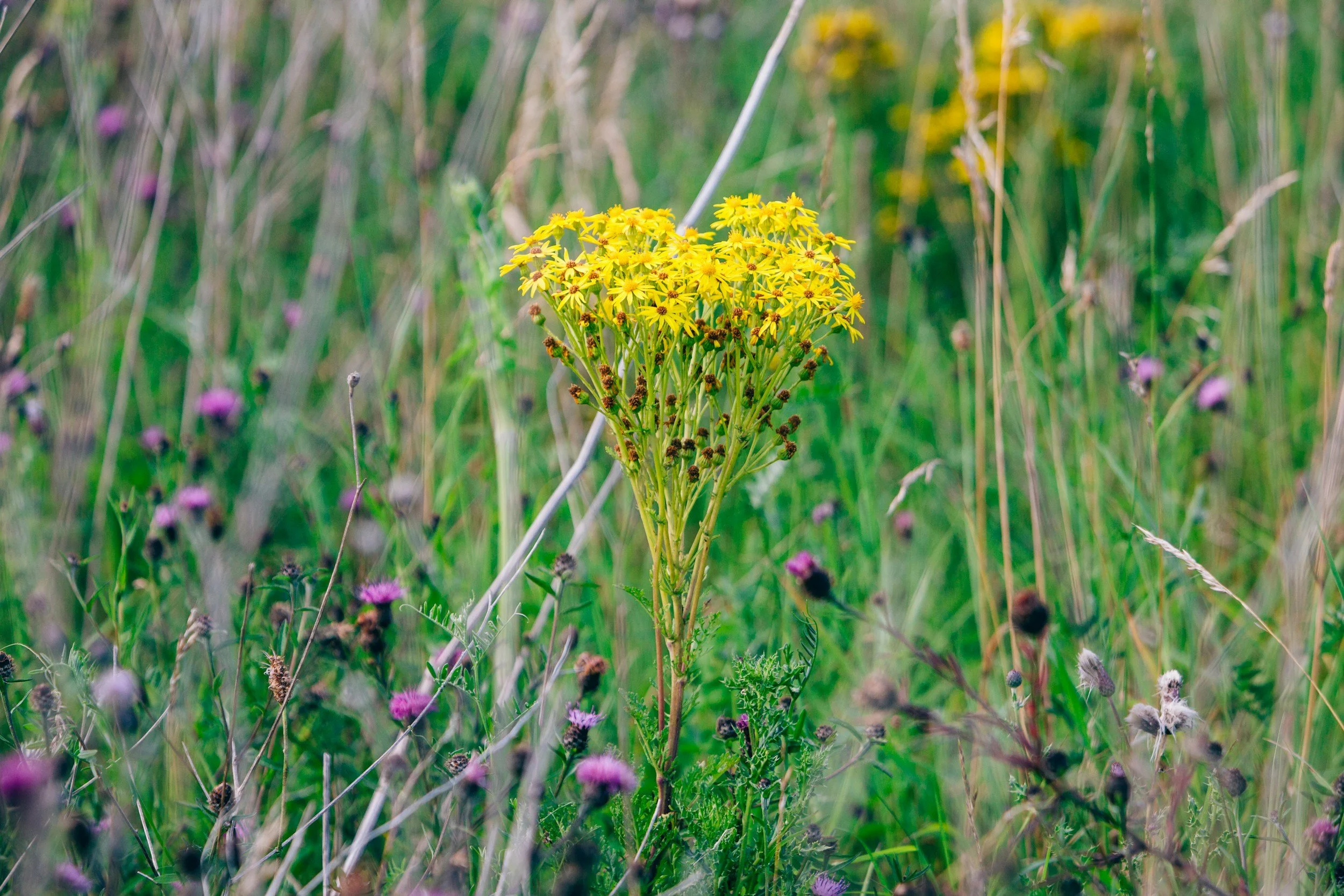
Think about weed pressure before sowing
Pasture renewal provides an opportunity to tackle weed problems, but it also creates a potential window for new weeds to establish.
Disturbing soil can expose buried weed seed, while open ground provides ideal opportunities for opportunistic plants.
This is why weed management should be part of the renewal plan rather than something considered after the new pasture has been sown.
The aim is not to spray everything simply because the paddock is being renewed.
It is to understand what weeds are present, how they reproduce and when they are most vulnerable, then choose an appropriate management approach.
A dense, vigorous pasture is itself one of the best tools available for limiting future weed invasion.
Fertility before seed
A new pasture has a significant nutritional demand during establishment.
That does not mean applying fertiliser blindly.
Soil testing can help identify where nutrients are already adequate and where correction may be required.
Getting soil fertility right before establishment gives the new plants a much better opportunity to develop a strong root system and compete with other vegetation.
It also makes sense economically.
There is little point investing heavily in seed and cultivation while ignoring a fertility limitation that will restrict the pasture's performance once it emerges.
Choose the pasture before choosing the drill
The establishment method should follow the pasture plan, not the other way around.
If the new pasture is primarily ryegrass and clover, the requirements may differ from a paddock being established with a specialist summer-producing species.
Likewise, the ideal approach for a light, free-draining soil may not be appropriate on heavier ground.
Think about the finished pasture first.
What species are being planted? What conditions do they need? How competitive are they during establishment? What will the grazing system look like?
Once those questions have been answered, the establishment method becomes much easier to determine.
A new pasture is an investment
Pasture renewal should be viewed as a long-term investment rather than a seasonal expense.
If a new pasture establishes strongly and persists for many years, the cost can be spread across a substantial period of production.
If it fails during the first few months, the economics look very different.
That is why attention to detail matters.
The quality of the seed, the condition of the paddock, soil fertility, sowing depth, moisture, weed management and early grazing decisions all contribute to the final result.
None of these steps is particularly glamorous.
But collectively, they determine whether the paddock delivers.
The best establishment method is the one that suits the paddock
There is no universal winner between direct drilling and cultivation.
Direct drilling can be highly effective where the existing paddock, soil and conditions are suitable. Full cultivation can provide valuable advantages where more substantial correction or preparation is required.
The important thing is to make the decision based on the paddock in front of you.
Look at the soil.
Look at the existing pasture.
Look at the weeds.
Look at the history.
Then choose the establishment method that gives the new pasture the best possible start.
Because once the seed is in the ground, there is only so much you can do to correct poor preparation.
Successful pasture renewal begins well before sowing day.
Identify why the old pasture failed, address soil and fertility limitations, select species suited to the paddock and choose an establishment method that matches the conditions.
Whether you direct drill or cultivate, concentrate on the fundamentals: a suitable seedbed, accurate shallow sowing, good seed-to-soil contact, adequate moisture and careful management during establishment.
Most importantly, pay attention to the first strike and first grazing.
A pasture that gets away strongly has a much better chance of becoming a dense, productive and persistent part of the farm.
Tomorrow, we head below ground for day four: Decoding soil health and fertility, looking beyond basic NPK and into soil structure, compaction, pH, Olsen P and the information hidden in a comprehensive soil test.
See you tomorrow for day four: Decoding soil health and fertility.