
Designing the perfect mix
This is day two of our seven-day series on pasture agronomy, soil health and weed management, and today we are looking beyond the traditional ryegrass and white clover combination.
Perennial ryegrass and white clover have earned their place in New Zealand dairy farming, but they are not necessarily the answer for every paddock, every soil type or every season. Increasingly, farmers are looking at alternative species that can fill gaps in the pasture system, particularly where summer dry, challenging soils or changing climatic conditions put pressure on conventional pastures.
Chicory, plantain and lucerne are three of the better-known alternatives, and each brings different characteristics to the paddock.
The trick is not to create the most complicated seed mix possible. It is to create a pasture that is suited to your farm, your cows, your climate and the way you manage it.
There is no perfect pasture mix
It would be nice if there were one seed mixture that worked everywhere.
There isn't.
A pasture that performs exceptionally well on a fertile, free-draining Canterbury soil may behave very differently on a heavy Manawatū soil. A paddock that handles a dry summer beautifully in one district may struggle under different rainfall patterns elsewhere.
Even two paddocks on the same farm can have different requirements.
One might be prone to summer drying, another may hold moisture, while a third might suffer from winter wetness or compaction. Treating all three paddocks identically simply because they are on the same farm can mean missing opportunities to improve performance.
The starting point should therefore be the paddock itself.
What is the soil doing? What does the climate throw at it? When does feed demand peak? When does pasture growth fall away? How long does the paddock normally persist before it requires attention?
Those questions can tell you considerably more about what to sow than simply choosing a seed mix from a catalogue.
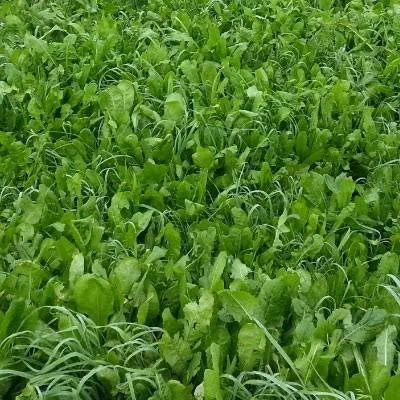
Pasture mix including chickory - Image supplied by Cridge Seeds
Chicory brings summer strength
Chicory has become a useful option for farmers looking to produce high-quality summer feed.
It is a deep-rooted perennial herb capable of producing leafy, highly nutritious growth during periods when some traditional pasture species are struggling.
That deep root system is one of its attractions.
When the soil profile is drying out, chicory can continue accessing moisture deeper in the soil, provided suitable moisture remains available. This can give it an important role in summer feed planning.
Chicory is not, however, simply a replacement for ryegrass.
It has different establishment requirements, different grazing characteristics and different persistence considerations. It needs to be managed as the plant it is rather than expected to behave like ryegrass.
This is an important principle when introducing any alternative species.
Different plants require different management.
Trying to make every species fit exactly the same grazing system can undermine the reason for planting it in the first place.
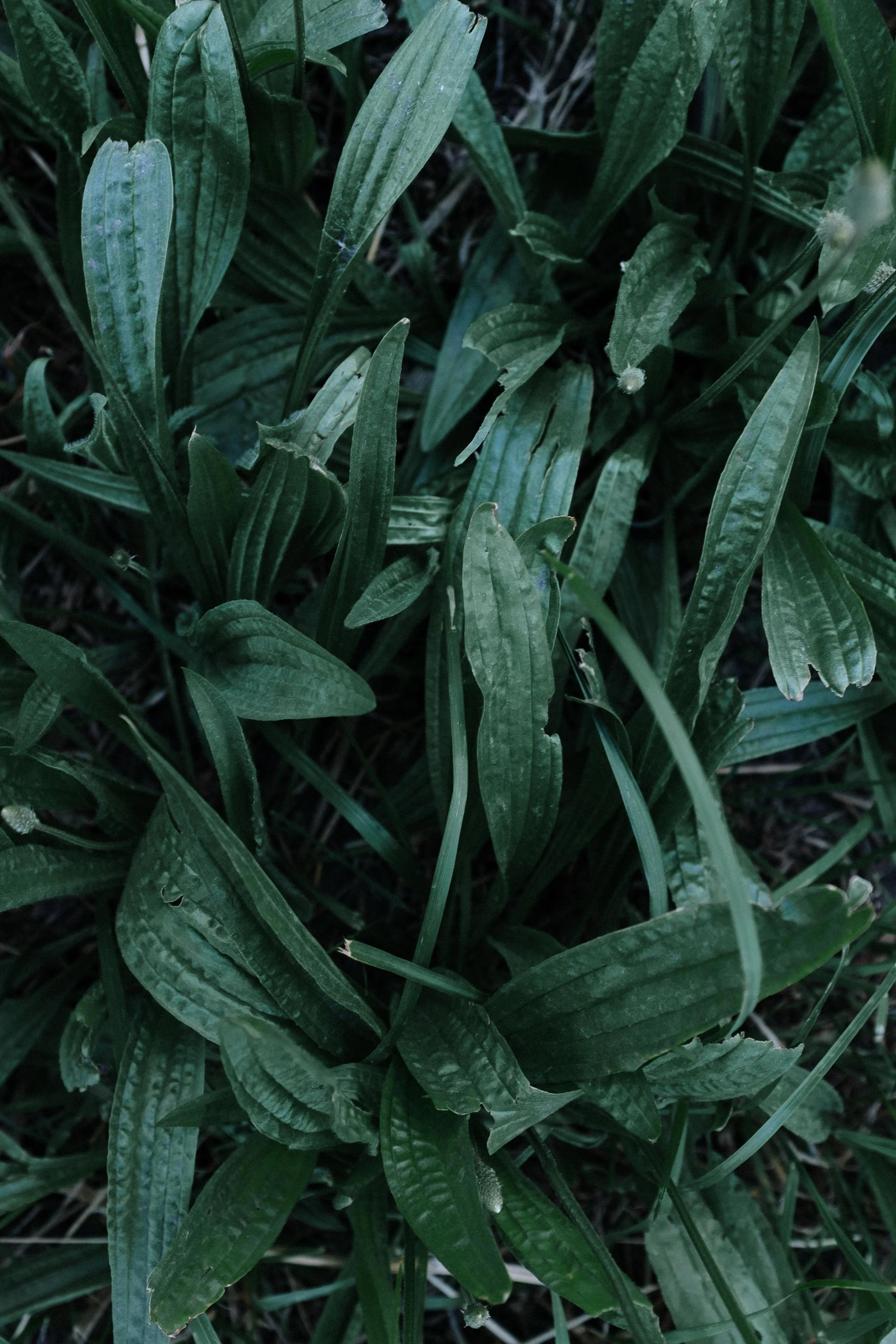
Plantain offers another tool
Plantain has also attracted considerable interest as a component of diverse dairy pastures.
Like chicory, plantain can contribute strongly during periods when conventional pasture growth is under pressure. Its growth habit and ability to establish in suitable pasture mixes can make it useful where farmers are looking to increase plant diversity.
Plantain can also provide another root structure within the pasture, helping create a more varied underground environment.
But again, the objective should not be diversity simply for diversity's sake.
A pasture needs to produce useful feed for the cows and do so reliably enough to justify the cost and effort of establishment.
If a species is included because it sounds good but does not suit the soil, climate or management system, it may contribute little to the finished pasture.
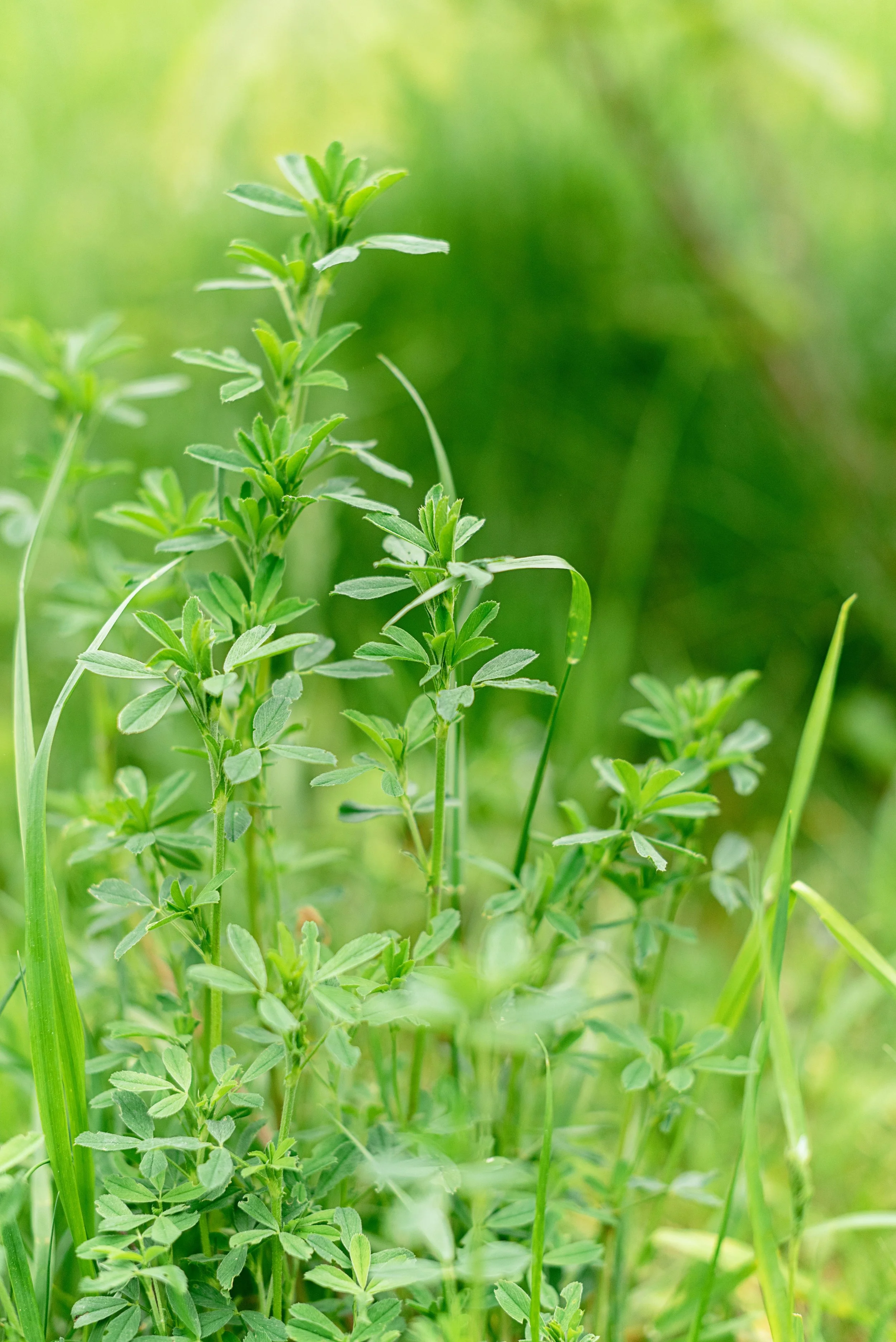
Lucerne has a different job
Lucerne is another option worth considering, particularly where farmers have suitable soils and want a high-quality forage with strong summer production potential.
Its deep root system can be a major advantage in dry conditions, allowing the plant to access moisture from deeper in the soil profile.
Lucerne can produce substantial quantities of high-quality feed, but it is not a plant that appreciates being treated casually.
It has particular requirements around establishment, soil fertility, drainage and grazing management. Poorly managed lucerne can lose productivity and persistence, while a well-managed stand can become a valuable part of the farm's feed supply.
This highlights a broader lesson.
Choosing a pasture species is only half the job.
Choosing how you are going to manage that species is the other half.
Match the plant to the paddock
Before changing a seed mix, take a good look at the paddock.
Consider whether the soil is light or heavy, free-draining or prone to waterlogging, fertile or nutrient-limited. Think about when the paddock normally produces its best growth and when it tends to run out of steam.
A paddock that dries out every summer may justify a different approach from one that maintains moisture well into January and February.
Likewise, a paddock that is regularly pugged during winter may need a different strategy from one with excellent drainage.
Pasture selection should solve a problem.
If summer feed supply is the issue, look at species that can contribute during that period. If persistence is poor, investigate why before simply sowing something new. If a paddock is repeatedly failing, determine whether soil fertility, drainage, compaction, pests, grazing management or establishment is the underlying problem.
Putting a new seed mix over an unresolved problem can be an expensive way of moving the problem into the next season.
Cultivar selection matters
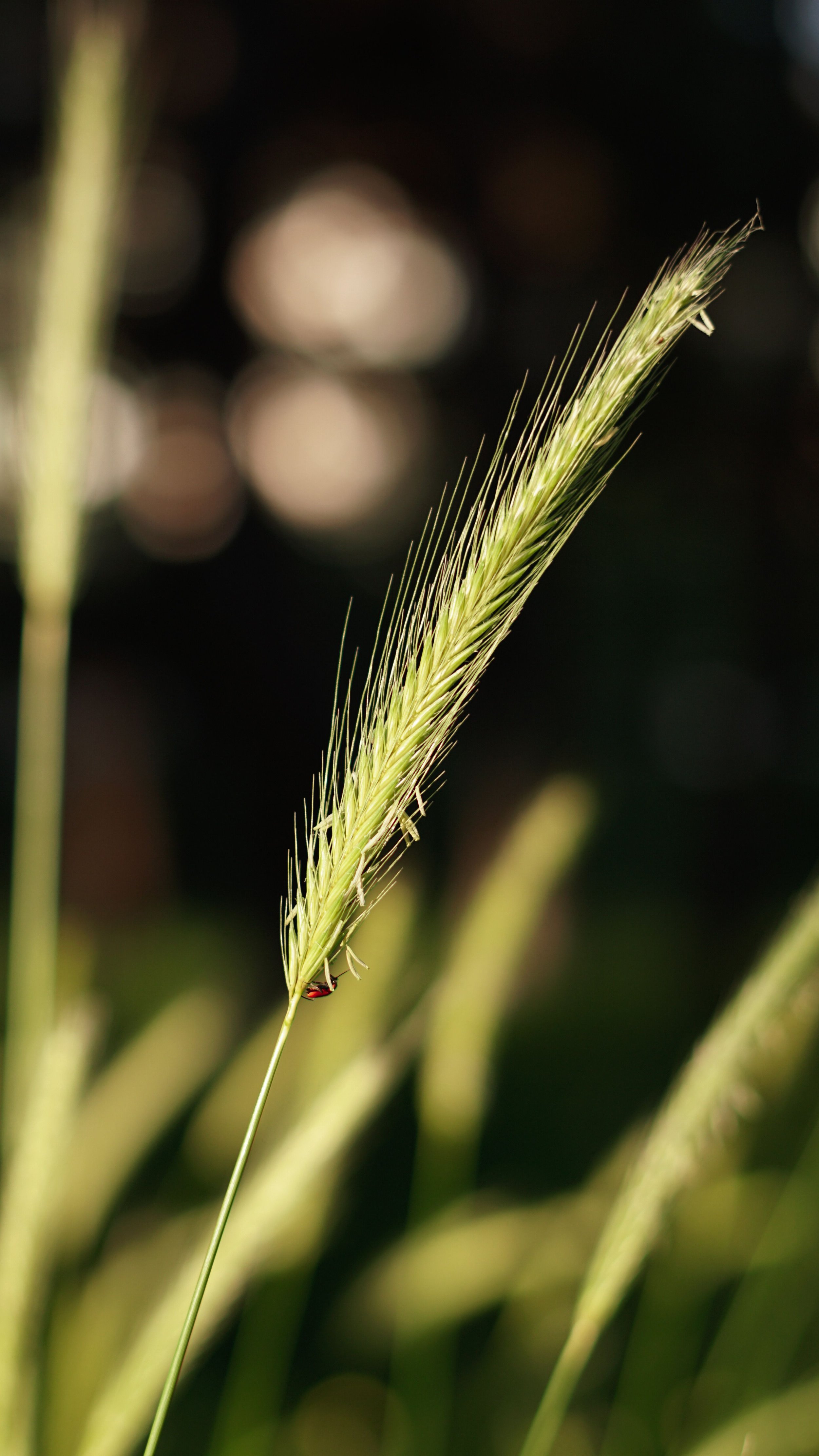
Once you have decided which species may suit the paddock, the next question is which cultivar.
Not all ryegrass is the same. Not all clover is the same. And the same applies to alternative species.
Cultivars can differ in growth pattern, seasonal production, persistence, disease tolerance and other characteristics.
This matters because the pasture you are designing needs to fit the production system.
A farm chasing strong spring growth may have different requirements from one where maintaining feed through summer is the greater challenge.
Likewise, regional climate differences can influence which characteristics become particularly valuable.
The right question is therefore not simply, "What is the highest-producing cultivar?"
It is, "What characteristics do I need this pasture to deliver on my farm?"
That is a much more useful question.
Don't forget the endophyte
For farmers using perennial ryegrass, endophyte selection is another important consideration.
Endophytes live within the plant and can influence pasture persistence and plant protection, but different endophyte options can have different characteristics.
That means the choice deserves careful consideration rather than being treated as an afterthought.
The goal is to select an option that provides the characteristics needed for the farm while also considering animal performance and management requirements.
A pasture may look excellent on paper, but the details underneath the seed label can have a significant influence on how it performs once it is actually in the paddock.
Diversity needs a purpose
There is plenty of discussion around diverse pastures, but diversity alone does not guarantee a better pasture.
Every additional species needs to earn its place.
Will it produce useful feed at a time when the farm needs it? Does it suit the soil? Will it survive the grazing system? Can it establish successfully? Does it complement the other species rather than simply compete with them?
These are practical questions, and they matter.
A well-designed pasture is not necessarily the one containing the greatest number of species. It is the one where the plants have complementary characteristics and collectively provide the farm with something useful.
Sometimes that might mean a straightforward ryegrass and clover pasture.
Sometimes it might mean a specialist chicory or lucerne paddock.
Other situations may justify a more diverse mixture.
Think about the cows too
Pasture selection should ultimately come back to the animal.
A pasture can look impressive from the roadside and still fail to deliver what the herd needs.
Consider how the cows will graze it. How easily can they harvest the feed? How does the pasture change as it matures? What sort of residual will be left? Does it fit the farm's rotation?
The best pasture is one that works as part of the entire system.
The plant, soil, cow and grazing management all need to work together.
Summer is not the only consideration
It is easy to focus heavily on summer dry when discussing alternative pasture species, but seasonal balance is just as important.
A farm does not need a pasture that produces enormous amounts of feed for a few weeks if it creates a significant feed gap at another critical time.
Think about the whole year.
Where is the farm's natural feed surplus? Where are the pinch points? Which paddocks are first to stop growing? Which ones recover quickly after rain? Where is irrigation available and where is it not?
The answers can help determine where different pasture species have a role.
The aim is not to make every paddock identical.
It is to build a farm where the paddocks collectively provide a more reliable feed supply.
Establishment is where the plan becomes reality
Even the best pasture mix will struggle if establishment is poor.
Seedbed preparation, sowing conditions, seed depth, soil moisture, weed competition and early grazing management all influence the success of a new pasture.
This is particularly important with species that have different establishment characteristics from perennial ryegrass.
A paddock can be perfectly planned and still fail because the first few weeks were poorly managed.
That is why pasture renewal should be treated as a process rather than a single day when the drill enters the paddock.
The decisions made before sowing, during establishment and through the first grazing can determine how that pasture performs for years afterwards.
We will look much more closely at that process tomorrow.
Design the pasture around the farm
The biggest shift in thinking is to stop asking which pasture is "best" and start asking which pasture is best suited to the job.
Ryegrass and white clover remain extremely valuable. Chicory, plantain and lucerne can also provide valuable tools where they are suited.
There is no need to abandon the traditional pasture model simply because alternative species are available.
Instead, farmers can use different plants strategically.
A farm with reliable summer rainfall may have little reason to make major changes. A farm that regularly experiences summer dry may see significant value in introducing species with stronger performance during that period.
The answer will be different from farm to farm.
And that is exactly why pasture design should begin with the farm rather than the seed bag.
Before choosing your next pasture mix, walk the paddock and identify what you are actually trying to improve.
Look at soil type, drainage, fertility, seasonal growth patterns and grazing history. Consider when the paddock is most valuable and when it normally lets the farm down.
Then choose species and cultivars that address those conditions.
The goal is not simply to grow a different pasture. It is to design a pasture that performs a specific job within your farming system.
Tomorrow, we move from pasture selection to pasture renewal and look at the art and science of reseeding, including the differences between direct drilling and full cultivation, and why getting the first few weeks right can make all the difference.
See you tomorrow for day three: The art and science of reseeding