Finding the right dairy farming employer – and becoming the employee they want to hire
Looking for a dairy farming job can feel like a one-sided process. You find a vacancy, send through your CV, attend an interview and hope the phone rings with an offer.
But finding the right farm job should not simply be about convincing an employer to hire you. It should also be about deciding whether that employer, farm and role are right for you.
A good dairy farming job can provide far more than a wage. It can give you valuable experience, new skills, responsibility, career opportunities and the chance to become part of a successful team. The wrong job, however, can leave you frustrated, undervalued and wondering why you ever accepted it.
So if you are currently looking for a dairy farm job, there are two questions worth asking: How can I give myself the best chance of being employed, and how can I work out whether this is actually a good employer?
Start with yourself
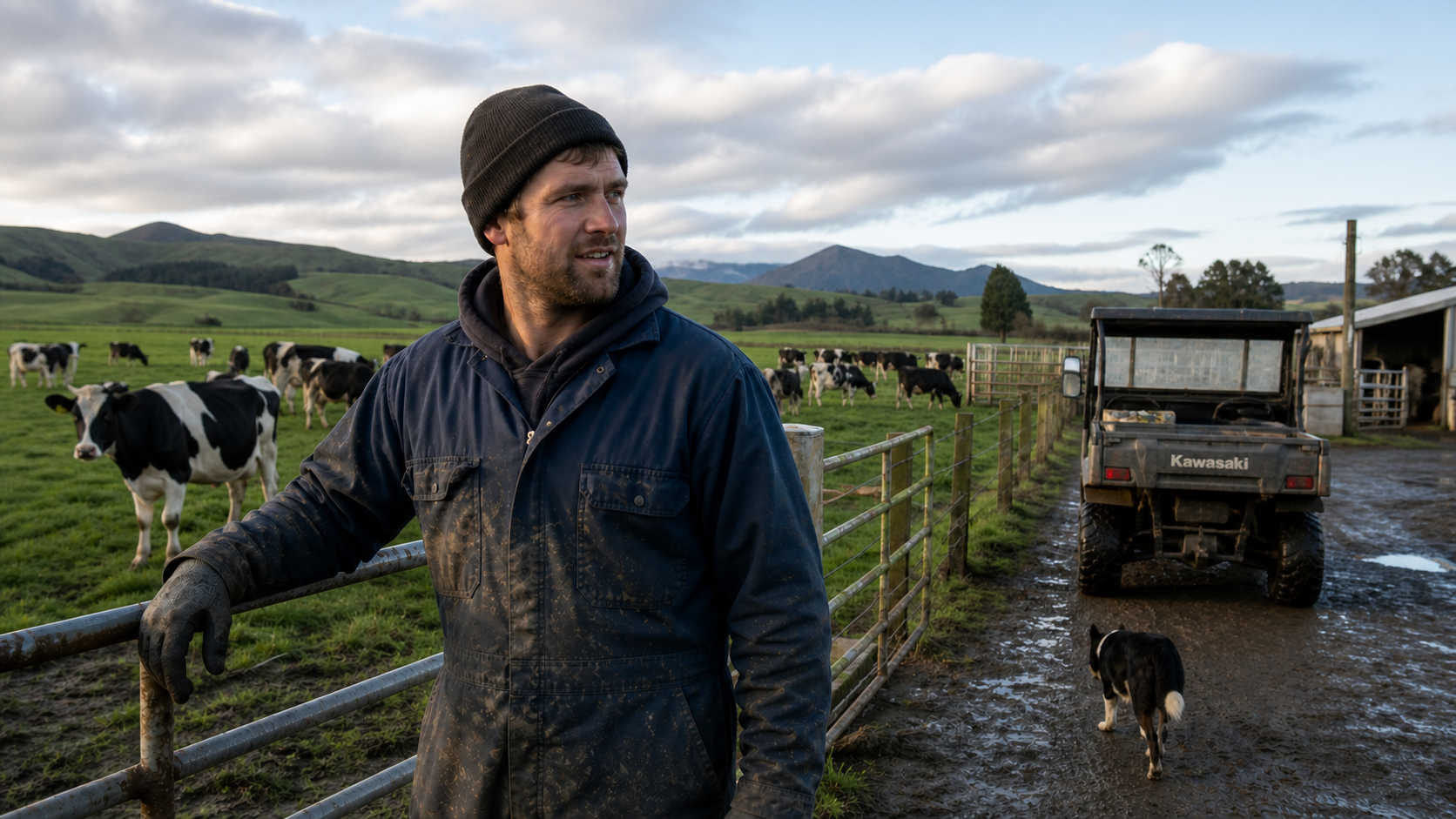
Before applying for every dairy farming vacancy you see, think about what you are actually looking for.
Perhaps you are starting out and need an opportunity to build experience. Maybe you have several seasons behind you and are ready for greater responsibility. You might be looking for a farm assistant position, a herd manager role, a 2IC opportunity or a pathway towards farm ownership.
Knowing where you want to go makes it easier to identify the farms that could help you get there.
Be honest about your current skills as well. If you can confidently milk a herd, identify animal health issues, ride a motorbike, operate machinery and manage pasture, make sure your potential employer knows that. If there are things you have not yet learned, do not exaggerate your experience.
There is nothing wrong with saying, “I haven't done that yet, but I would really like the opportunity to learn.”
In fact, honesty can be one of your strongest attributes.
Your attitude can be as important as your experience
Experience matters in dairy farming, but employers are also looking for people they can rely on.
The person who turns up on time, gets stuck in, asks questions, takes care with the cows, looks after machinery and communicates with the rest of the team can become extremely valuable on a farm.
Dairy farming is a team environment. An employee who has excellent technical skills but creates conflict within the team may be much less valuable than someone with slightly less experience who is dependable, positive and keen to learn.
Think about the impression you give from the very first contact.
If an employer phones you about a job, answer professionally. If you are busy at the time, explain that politely and arrange a suitable time to call back. If you are invited to an interview, arrive when you said you would.
These things sound simple, but they tell an employer a great deal about how reliable you are likely to be once you are on the farm.

Make your application work for you
Your CV is often the first impression an employer gets of you, so make it count.
A dairy farming CV does not need to be complicated. It needs to clearly explain where you have worked, what you have done and what you are capable of.
Do not simply write that you worked on a dairy farm. Explain the experience you gained.
If you were responsible for milking, explain the type of system you worked with. If you have experience with animal health, young stock, feeding, pasture management, machinery or farm maintenance, include it.
If you have progressed from one role to another, show that progression. An employer looking for a capable team member wants to see evidence that you have taken on responsibility and developed your skills.
Make sure your contact details are current and check your spelling before sending your application.
It is also worth having reliable referees available. Speak to them first and make sure they are comfortable being contacted.
Prepare for the interview
Getting an interview means the employer is interested. Now you need to show them why they should take the next step.
Think about the questions you are likely to be asked. Why are you leaving your current position? What experience do you have? What are you good at? What do you still need to learn? What are you looking for in your next role?
You do not need to memorise perfect answers. You simply need to be prepared to have a sensible conversation about your experience and ambitions.
If you have made mistakes in previous jobs, be prepared to discuss what you learned from them. Nobody expects a farm worker to have a perfect employment history.
What employers should be looking for is maturity, honesty and a willingness to improve.
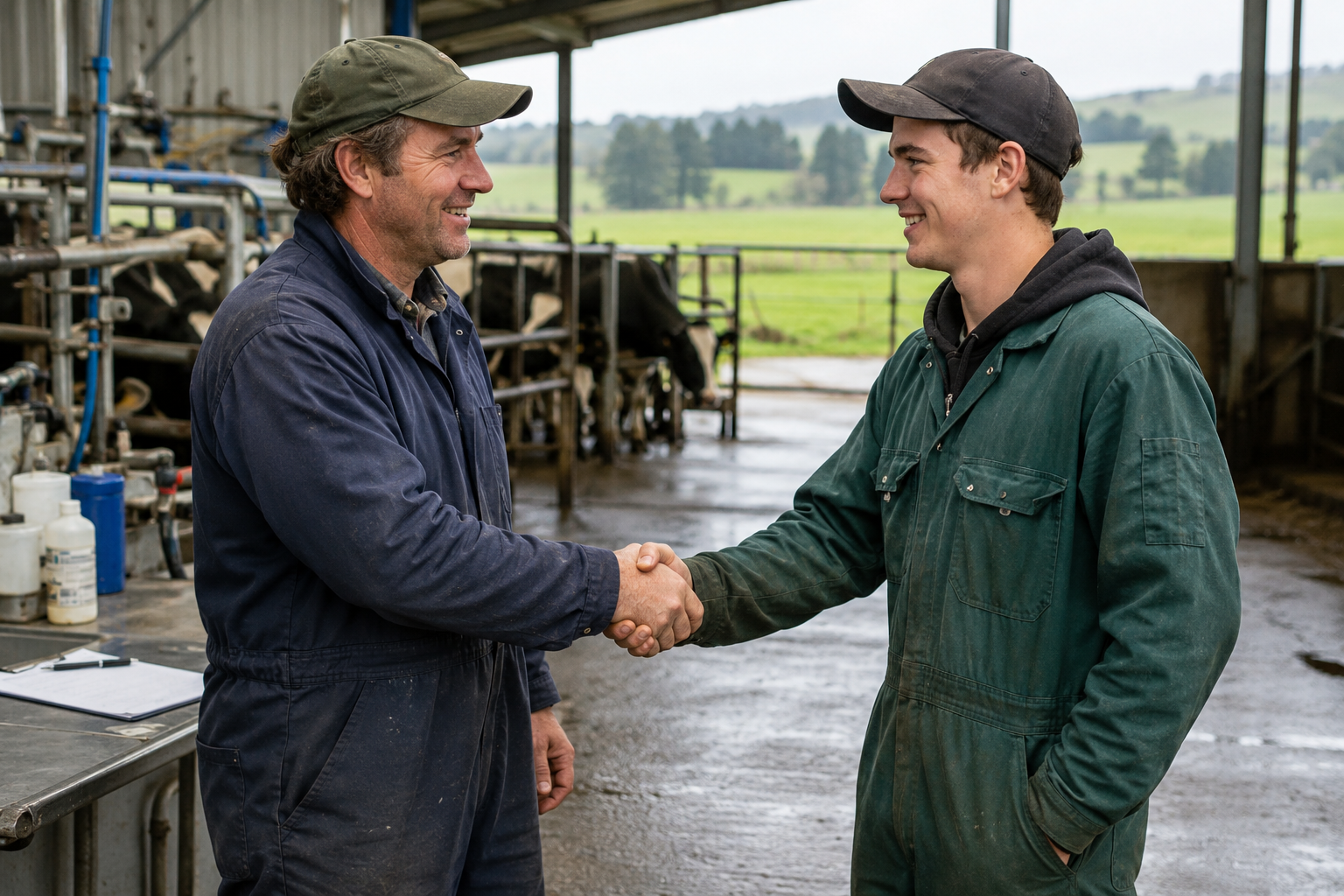
Remember that you are interviewing them too
This is where many job seekers make a mistake.
They become so focused on securing the job that they forget to find out what they are actually signing up for.
Ask about the roster. Find out what the normal working day looks like and what happens during the particularly busy periods of the season.
Ask who you will report to, who else works on the farm and what your responsibilities will be.
If professional development is important to you, ask what opportunities there are to develop your skills and take on more responsibility.
It is also reasonable to ask about accommodation if it is part of the position, as well as pay, hours, time off and other employment conditions.
These are not awkward questions. They are important questions.
Look carefully at the farm culture
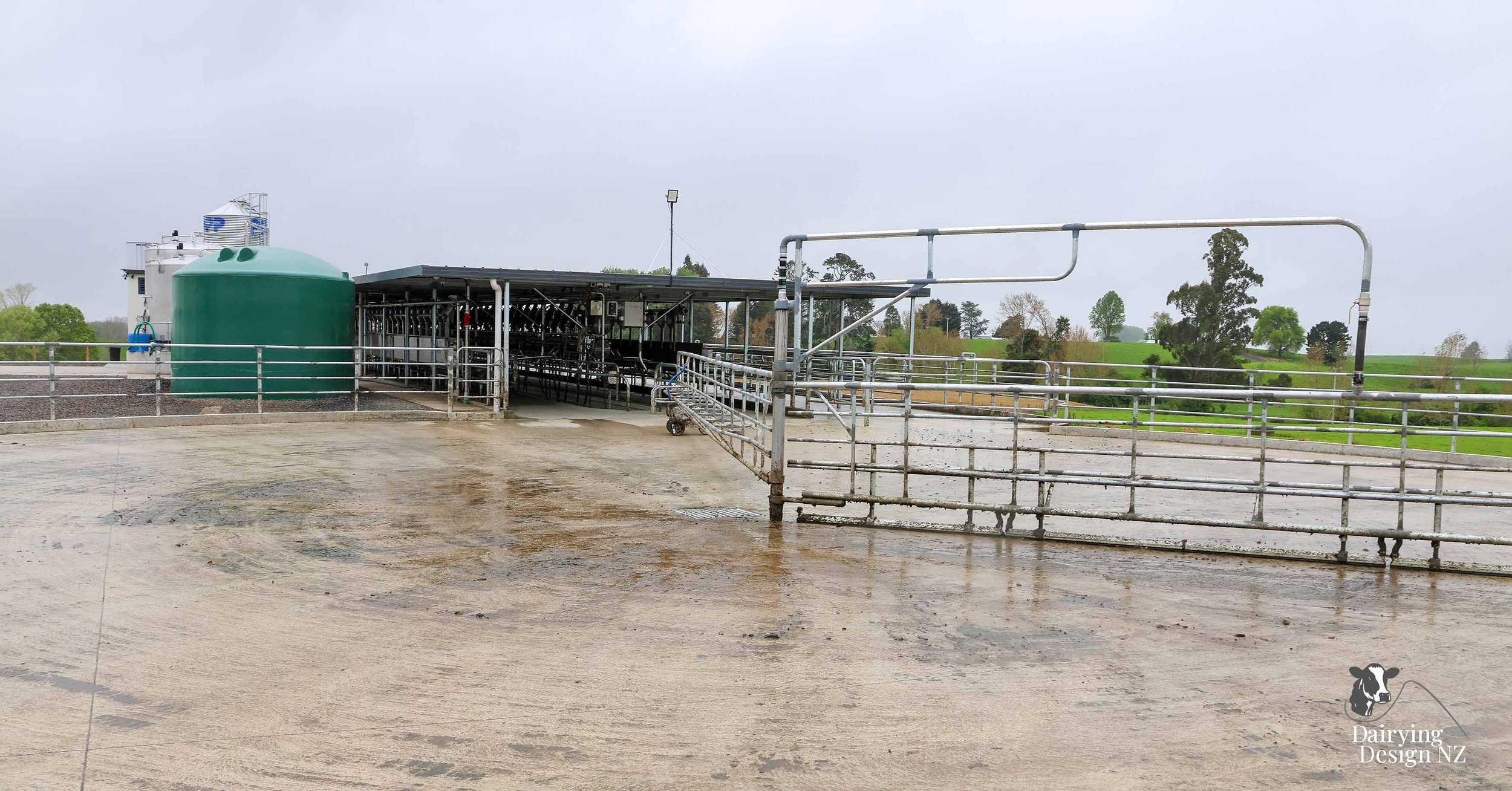
If you are invited to the farm, use the opportunity to observe.
How does the employer speak to their staff? How do the staff speak to each other? Does everyone appear to know what is expected of them?
Look at the shed, yards, equipment and general farm environment. You are not expecting a picture-perfect farm, particularly during a busy season, but you should get a sense of how the place is run.
Most importantly, watch how people are treated.
A farm can have excellent production figures and modern equipment, but if the people working there are unhappy, constantly changing or reluctant to talk about their experience, it is worth asking why.
If possible, find out about staff turnover. A farm that consistently loses employees after short periods may have an underlying problem.
Equally, a farm with long-serving staff can tell you something positive about the working environment.
Do not be afraid to ask the difficult questions
Before accepting a job, make sure you understand exactly what is being offered.
What are the expected hours? What is the roster? What happens when the farm is exceptionally busy? What are the expectations around weekends and time off?
If accommodation is provided, understand what it costs and what is included.
You should also understand your employment agreement before signing it. In New Zealand, employees must have a written employment agreement setting out the terms and conditions of employment, and employees are entitled to time to consider the agreement and seek advice before signing.
Do not feel pressured to sign something you do not understand.
A good employer should be comfortable having a straightforward conversation about the job and its conditions.
Look for an employer who wants you to progress
One of the biggest questions to ask yourself is whether the farm can help you become better at what you do.
A good employer does not necessarily need to promise you a management position within a year. But they should be able to have a conversation about your future.
If you want to improve your stockmanship, learn more about pasture management, become more confident with machinery or eventually move into management, tell them.
The best employment relationships are often built when the ambitions of the employee and employer complement each other.
An employee who wants to learn and an employer who is prepared to teach can create a very strong combination.
Know your value, but stay realistic
Getting the job is important, but so is understanding the whole employment package.
Do not compare jobs solely by the advertised salary. Consider the hours, roster, responsibilities, accommodation, location, training opportunities, working environment and potential for progression.
Two jobs offering apparently similar salaries can provide very different experiences.
Likewise, accepting the highest-paying position is not always the best career decision if the working environment is poor and there is no opportunity to develop.
Your skills have value, but so does your reputation.
The dairy industry is a relatively connected industry, and the way you leave one farm can influence opportunities on the next. Work hard, communicate professionally, give reasonable notice when required and leave previous employers on good terms wherever possible.
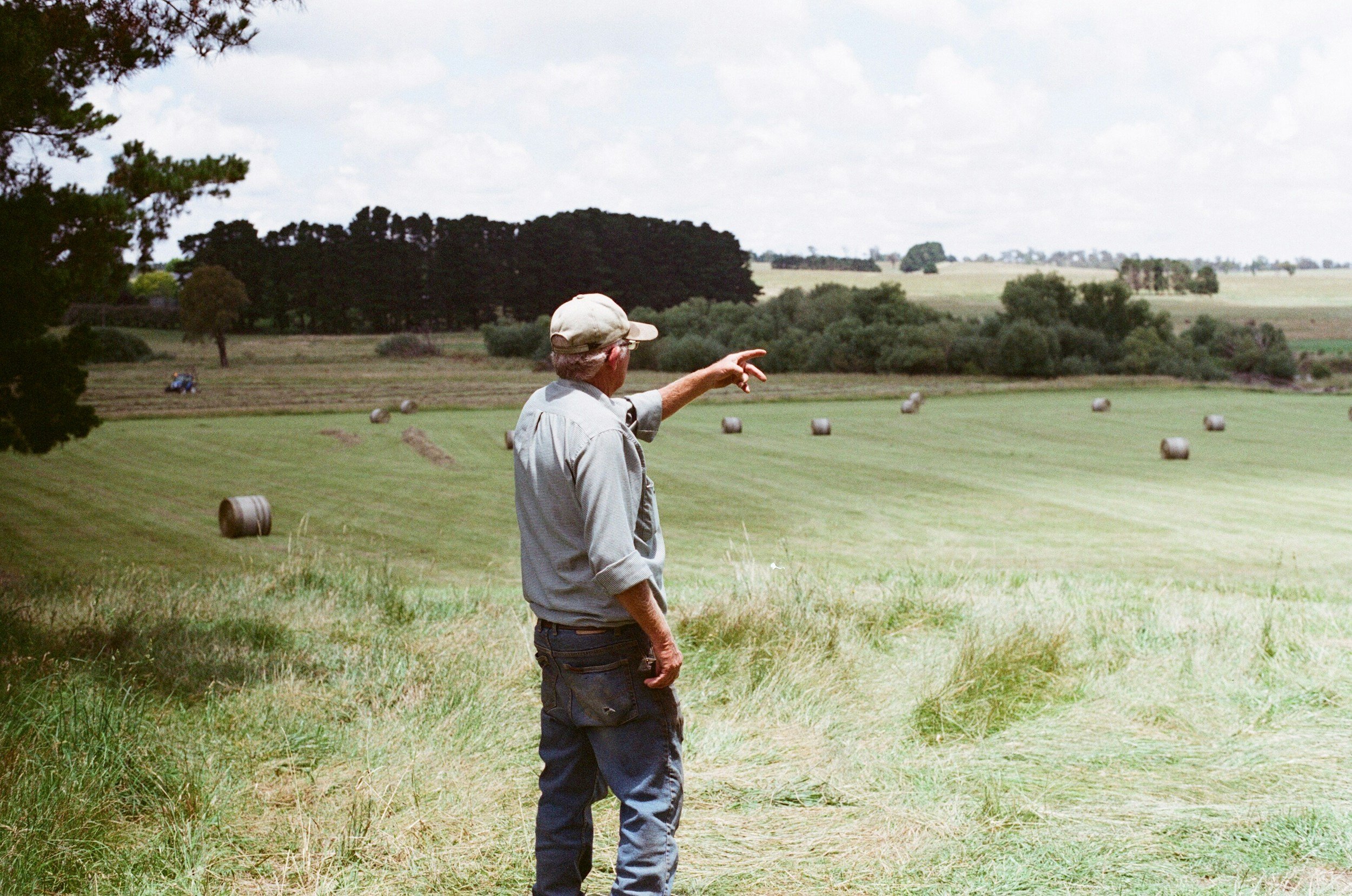
The job interview should be a two-way conversation
Ultimately, finding the right dairy farming employer comes down to fit.
The employer needs someone they can trust to turn up, work hard, care for the cows and contribute to the team.
You need an employer who will treat you fairly, communicate clearly, respect your time, provide the conditions promised and give you an opportunity to develop.
Neither side should be trying to sell something that does not exist.
Go into the interview prepared to talk honestly about what you can offer. At the same time, ask enough questions to establish whether the farm is somewhere you can see yourself working.
The goal is not simply to get a job.
The goal is to get the right job.
Before you accept your next dairy farming position, take a step back and consider the whole picture.
Have you been honest about your skills? Have you prepared properly for the interview? Have you asked questions about the role, roster, hours, accommodation, expectations and opportunities to progress?
Most importantly, did you pay attention to how the employer treated you and how the existing team interacted with one another?
A good farm employee does not need to know everything. They need to be reliable, honest, willing to learn and prepared to contribute.
A good employer should be looking for those qualities while also providing a workplace where people can do their jobs well, develop their skills and feel respected.
When those two things come together, everyone benefits – the employee, the employer, the cows and ultimately the farm business.