Getting cows in the right condition for mating
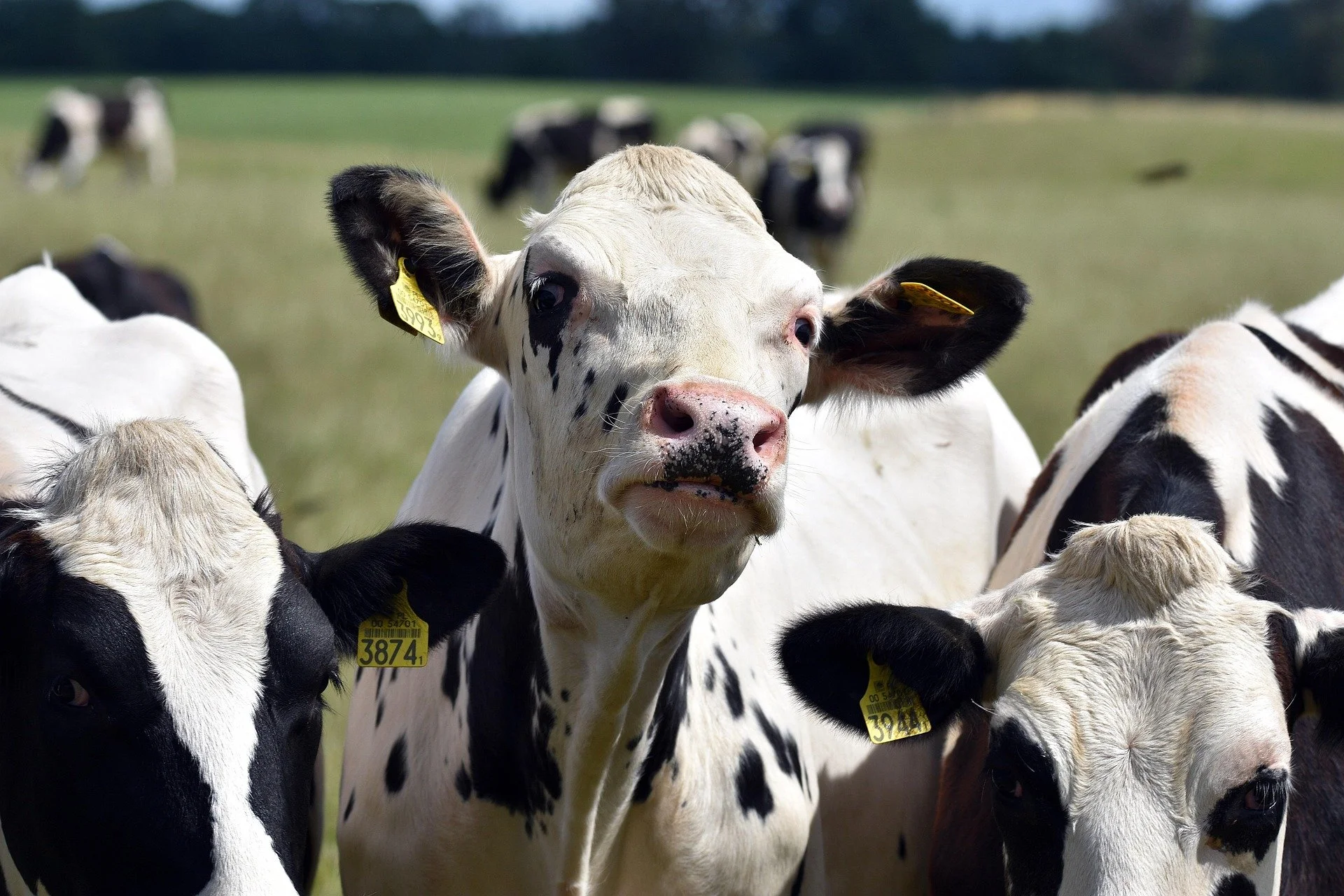
Welcome to Day 1 of our seven-day series on better mating results. Over the next seven days, we will look at the practical factors that can influence submission rates, conception and empty rates, starting with one of the biggest foundations of all: getting cows in the right condition before mating begins.
Why cow condition matters
Successful mating does not begin when the first cow is served. The groundwork has been laid during the weeks leading up to mating, and cow condition is one of the most important pieces of that preparation.
For dairy farmers, the goal is not simply to have cows looking well. It is to have cows entering mating in a condition that supports cycling, conception and the demands of another pregnancy while maintaining production.
Body condition score provides a useful way of assessing whether cows are carrying enough reserves. A cow that has lost too much condition after calving may struggle to resume normal reproductive activity, particularly when energy demands remain high.
The transition from calving through to mating is therefore a critical period. Cows are producing milk, recovering from calving and trying to return to reproductive function, all while their feed intake may not yet be sufficient to meet their energy requirements.
“Good mating results are built before mating starts. The condition cows enter the breeding period in can influence how quickly they cycle and how successfully they get in calf.”
Watch the trend, not just the number
A single body condition score tells you where a cow is today, but the trend can be just as important.
Cows that are continuing to lose condition as mating approaches may be more of a concern than cows sitting at a similar score but beginning to stabilise. Monitoring condition over time gives farmers a much better picture of how the herd is coping with the demands of early lactation.
This is particularly important in herds where there is considerable variation between cows. Mature cows, first-calvers and cows that have experienced a difficult calving may have very different nutritional and reproductive needs.
First-calvers deserve particular attention because they are still growing while also producing milk and attempting to get back in calf. They may need closer monitoring than mature cows to ensure they are not slipping too far behind before mating.
The energy balance challenge
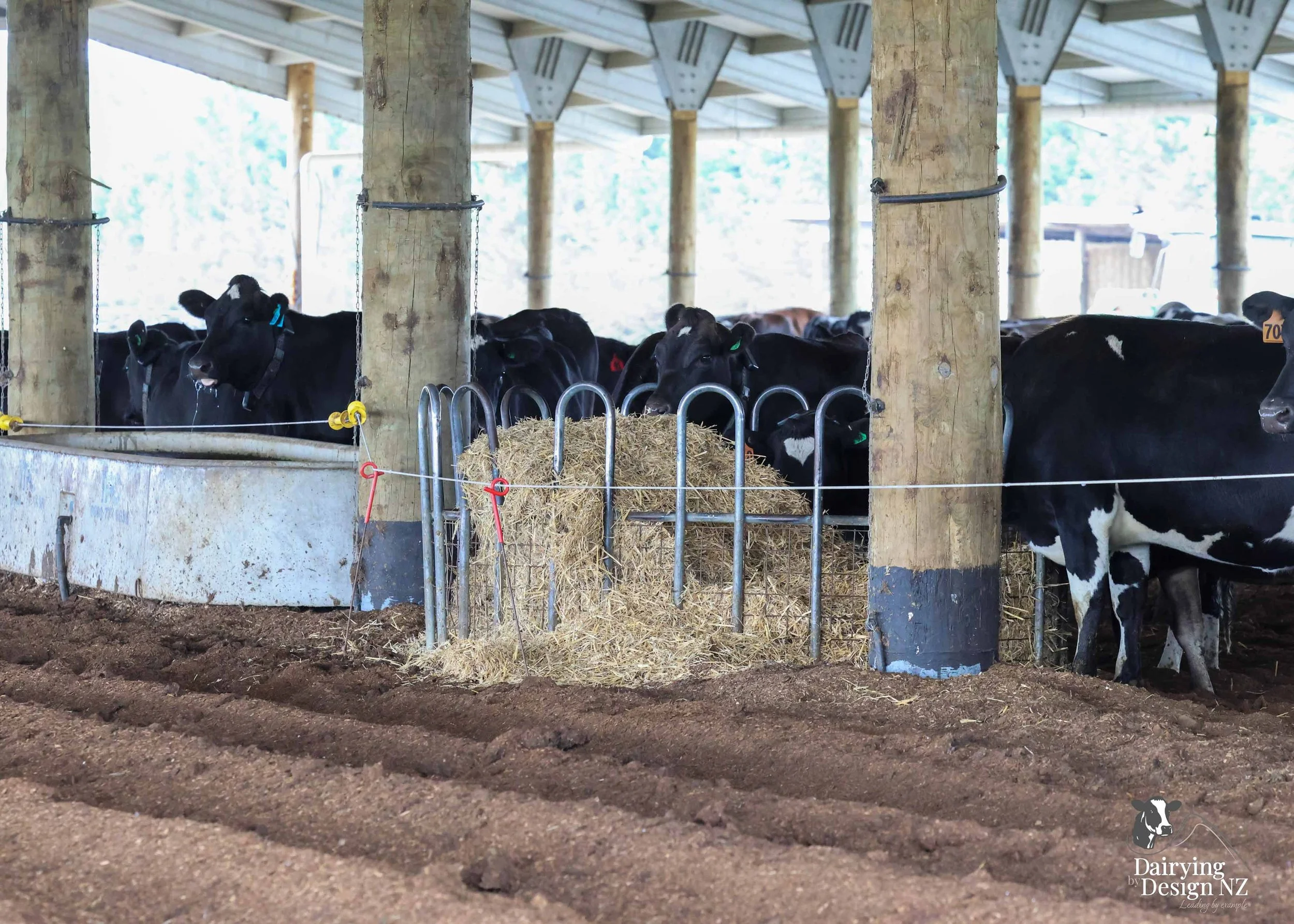
One of the major reproductive challenges following calving is negative energy balance. Early-lactation cows can struggle to consume enough feed to match the energy they are using for milk production.
The cow responds by mobilising body reserves, which is reflected in falling body condition. Some loss is expected, but excessive or prolonged loss can place additional pressure on reproductive performance.
This is where feed management becomes closely linked to mating performance. The objective is to provide cows with the quantity and quality of feed they need while making the most of pasture available.
Pasture covers, allocation, grazing management and feed quality all have a role to play. It is not simply about putting more feed in front of cows. The focus should be on providing a consistent supply of usable energy and maintaining intake through a period when every kilogram of condition can matter.
Look closely at the cows that need help
Herd averages can sometimes hide individual problems. A mob may have an acceptable average body condition score while still containing a group of cows that are significantly lighter.
Identifying these cows early gives farmers more opportunity to respond.
Cows that have struggled after calving, had difficult calvings, suffered health problems or are showing significant condition loss should be monitored closely. Separating cows according to their needs, where practical, can allow feed and management decisions to be targeted rather than treating the whole herd in exactly the same way.
This is also where regular observation remains invaluable. Walking through the herd and looking at cows individually can reveal changes that are not always obvious from production figures alone.
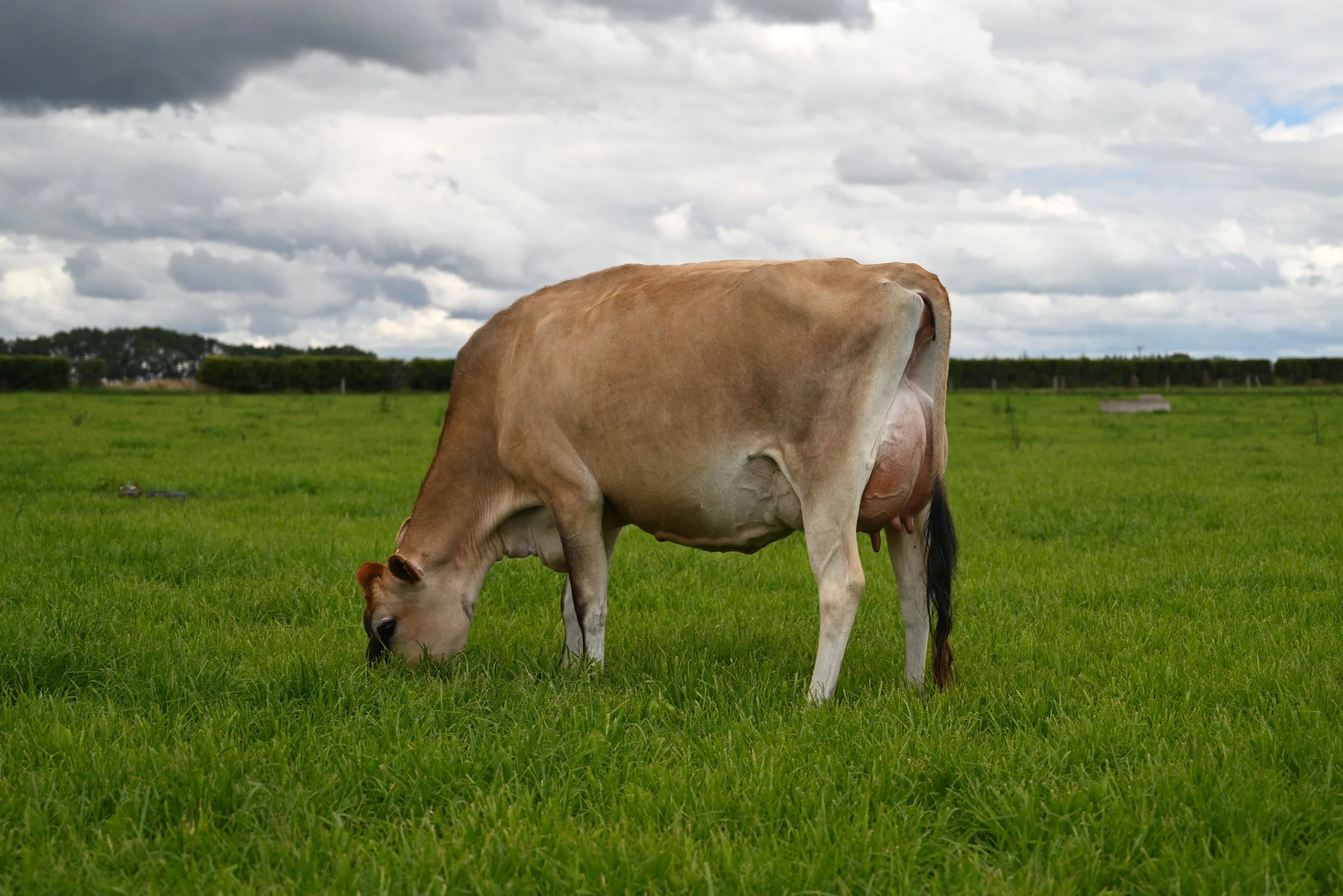
Photo supplied
Give reproductive performance a head start
There is no single body condition score that will guarantee a successful mating period, because reproductive performance is influenced by many factors. However, entering mating with cows in appropriate condition and with condition loss under control gives the herd a stronger starting point.
The weeks before mating are an opportunity to identify cows that may require additional attention rather than discovering reproductive problems once the mating period is already under way.
Good records can help build this picture. Combining body condition scoring with calving information, health records, production data and observations of cycling behaviour can help farmers identify patterns and make more informed decisions.
The key message for Day 1 is simple: mating preparation starts well before the bull goes out or the first insemination takes place.
Monitor body condition regularly, pay attention to cows that are continuing to lose condition and give particular consideration to first-calvers and cows that have had a difficult start to lactation. Keep the focus on maintaining feed intake and stabilising cows before mating rather than trying to correct significant condition loss at the last minute.
A herd that reaches mating in better nutritional and physical shape has a better foundation for reproductive success.
Tomorrow, we move from cow condition to one of the most important challenges during mating: heat detection and the heats that can be missed. Join us for Day 2 of our seven-day series on better mating results.