
Heat detection: what you can miss
Welcome to Day 2 of our seven-day series on better mating results. Yesterday we looked at getting cows into the right condition for mating. Today, we turn our attention to heat detection, because even a cow that is cycling normally cannot be successfully mated if her heat is missed.
The heat you never saw
Heat detection can sound straightforward, but anyone who has spent enough time watching a dairy herd knows it is rarely that simple.
Some cows make themselves very obvious. They stand to be mounted, are restless, mount other cows and are clearly more active than usual. Others can be far less obvious, particularly when heat behaviour occurs at inconvenient times or for a relatively short period.
This creates one of the biggest challenges during mating. A cow can be cycling normally without displaying the textbook signs farmers expect to see.
Missing heats means missing opportunities. It can delay conception, extend the calving spread and ultimately contribute to a higher empty rate.
“The absence of obvious heat signs does not necessarily mean a cow is not cycling. Sometimes the heat simply happened when nobody was looking.”
Timing matters
Cows do not conveniently choose daylight hours to come on heat.
Heat behaviour can occur at any time of the day or night, and some of the most useful signs may only be visible for a limited period. If heat detection is based entirely on one observation during the day, there is a risk that cows displaying less obvious behaviour will go unnoticed.
This is why consistency is so important.
Regular observation gives farmers a much better chance of identifying changes in behaviour. Looking for patterns rather than relying on a single obvious sign can also help build confidence when deciding whether a cow is ready to be mated.
Look beyond standing heat
Standing to be mounted is one of the clearest signs of oestrus, but it is not the only behaviour worth watching.
Cows coming on heat may become more restless, spend more time walking, sniff or nuzzle other cows, attempt to mount herd mates or show increased interest in other cows. Changes in feeding behaviour, milk production or general demeanour can sometimes provide additional clues.
The difficulty is that many of these signs can also occur for other reasons.
A cow that is walking more may be looking for feed, responding to a change in management or simply reacting to activity within the herd. This is why heat detection works best when several observations are considered together.
Knowing individual cows can also make a difference. A cow that normally behaves quietly but suddenly becomes restless may be showing a meaningful change, even if she is not displaying the dramatic signs associated with standing heat.
First-calvers can be harder to read
Young cows can present their own challenges during mating.
First-calvers are dealing with the demands of lactation while still growing, and their behaviour may not always be as obvious as that of more experienced cows. They can also be more easily overlooked when they are running within a larger mob.
Giving particular attention to first-calvers can help reduce the chance of missed heats. Their reproductive performance matters not only for the current season but also for the future productivity and longevity of the herd.
The environment can influence what you see
Heat detection does not happen in isolation. Weather, paddock conditions, stocking density, underfoot conditions and the time of day can all influence how much mounting activity farmers actually see.
Wet or slippery conditions, for example, may discourage mounting behaviour. Cows may also show more obvious activity when they have enough space and suitable footing.
This is where observation needs to be practical. If cows are difficult to see from a distance or are spending much of their time in areas where mounting behaviour is difficult to observe, the system may need some adjustment.
The aim is to create the best possible opportunity to see what the cows are already telling you.
Records can reveal the missed heats
Good records can help identify when something does not add up.
If a cow is not recorded as being on heat but subsequently shows a return heat, that information can provide useful insight into what may have been missed earlier. Similarly, if groups of cows appear to be cycling outside the expected pattern, it may be worth looking more closely at heat detection practices.
The goal is not to blame the person watching the cows. Heat detection is inherently challenging, and missed heats can happen in even well-managed herds.
Instead, records can help farmers identify where the system may be improved.
Make heat detection a team effort
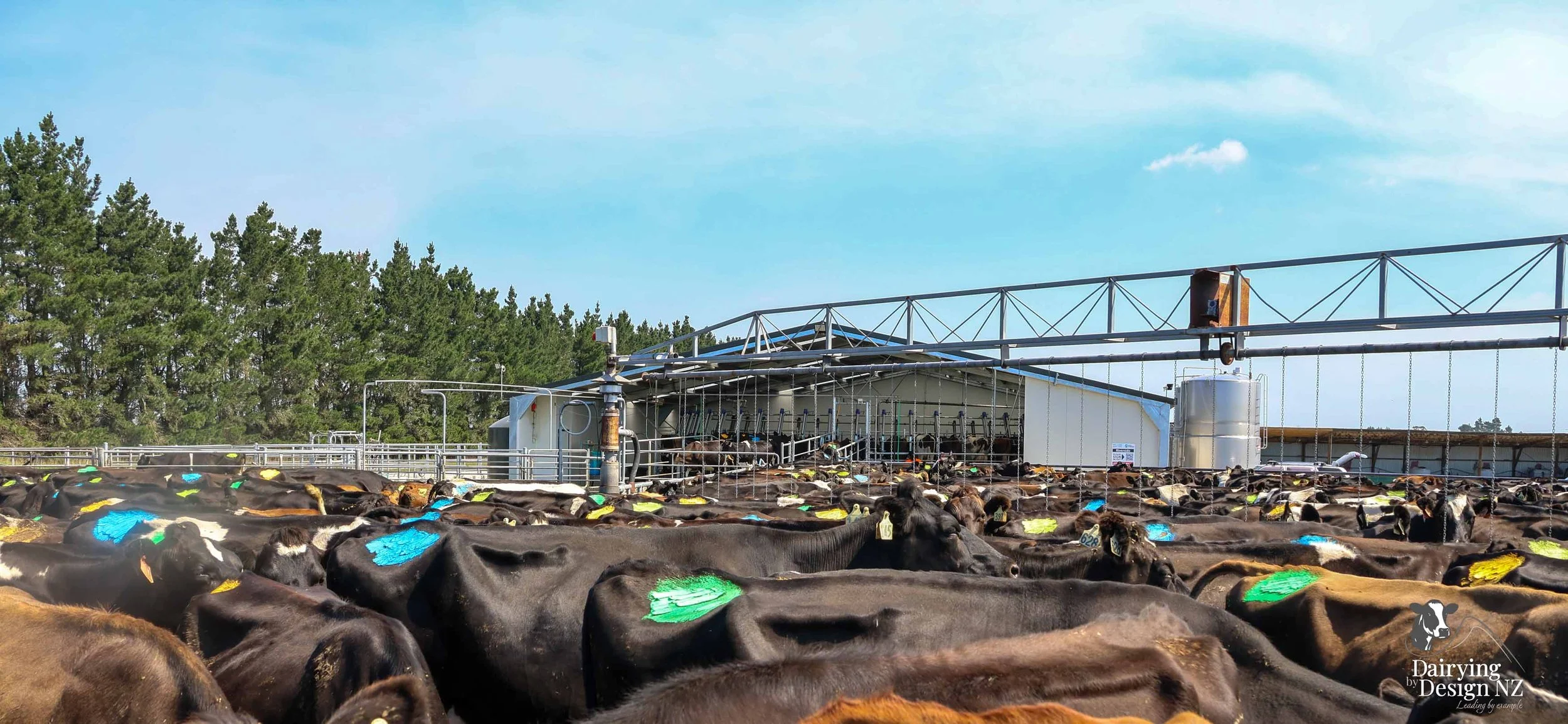
On many farms, more than one person is involved in observing the herd. Consistency between people is therefore important.
Everyone involved should understand what signs they are looking for and how heats are being recorded. Clear communication can prevent observations from being lost between shifts or forgotten because somebody assumed another person had already recorded the cow.
A simple, consistent approach can make a significant difference during a busy mating period.
Effective heat detection is about more than waiting to see a cow standing to be mounted. It involves knowing the herd, observing behaviour regularly and recognising the less obvious signs that a cow may be cycling.
Pay attention to changes in behaviour, particularly in first-calvers and cows that may be harder to observe. Consider when and where heat detection is taking place, and use mating and reproduction records to identify patterns that could indicate missed heats.
The better the heat detection system, the more opportunities there are to mate cows at the right time.
Tomorrow, we take the next step and look at cow activity and technology for heat detection, including how technology can help identify changes in behaviour that the human eye may miss.