What makes a cow easy to milk?
When we talk about a cow being “easy to milk”, it is tempting to think only about how quickly she empties. But anyone who has spent enough time in a dairy shed knows there is considerably more to it than that.
The easy-milking cow is the one that walks calmly into the shed, stands where she is meant to stand, presents a well-shaped udder, has correctly positioned teats, attaches readily to the cups and gets on with the job without creating a drama.
She is not necessarily the fastest cow in the herd, either. A cow that milks quickly but is nervous, difficult to handle or continually causes cups to fall off is unlikely to be anyone’s idea of an easy milker.
Good milking cows combine temperament, udder and teat conformation, milking speed and sensible cow flow. Put those characteristics together and the result is a cow that can make life considerably easier for both the person milking and the equipment doing the work.
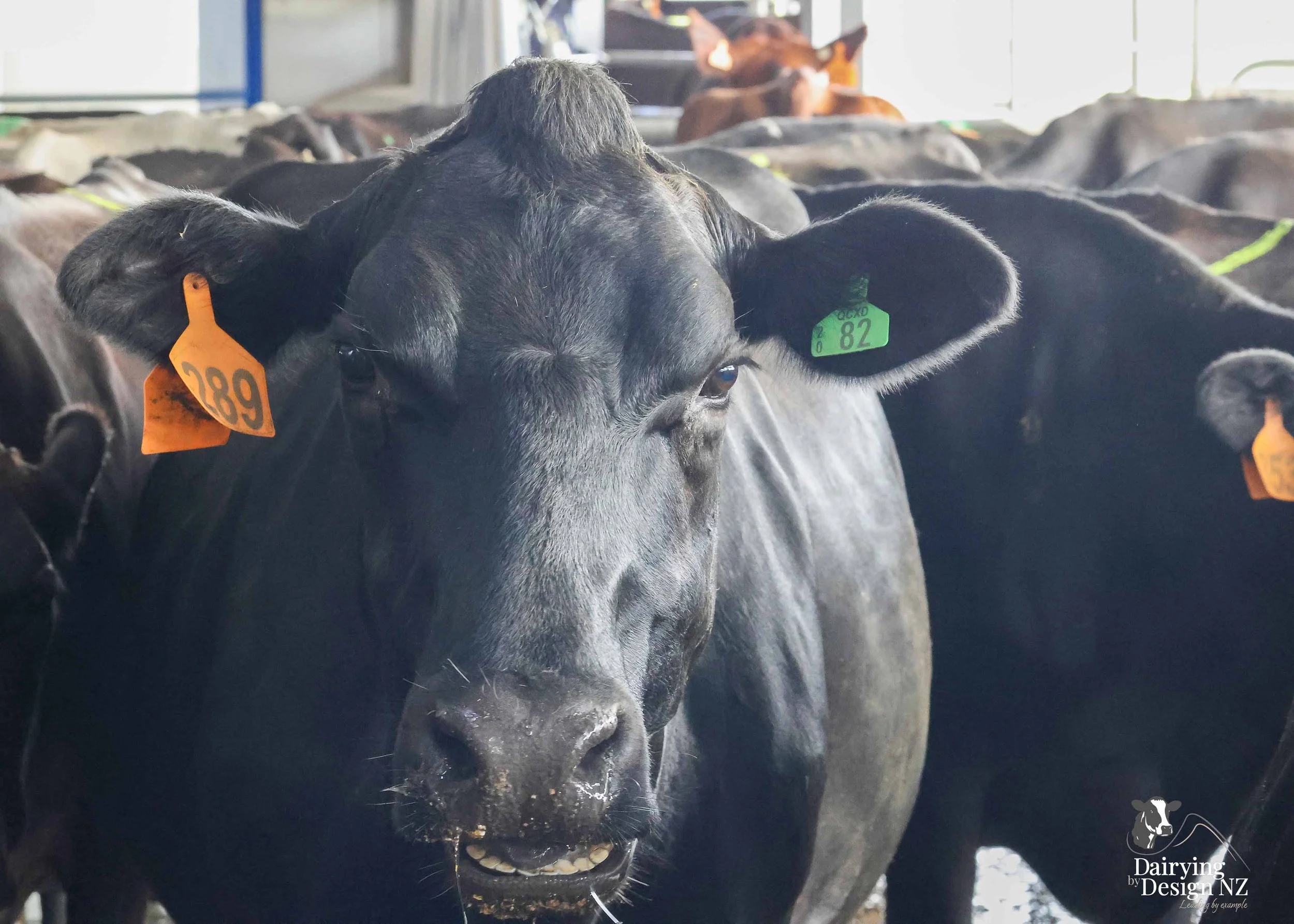
Photo by Dianna Malcolm
Temperament matters
A calm cow is generally a more manageable cow, and that matters every time she enters the dairy.
Cows quickly learn the routine of the milking shed. They become familiar with the noise, the yards, the backing gate, the clusters and the sequence of events. A cow with a quiet temperament is more likely to move through that routine without unnecessary hesitation or excitement.
The difference becomes particularly noticeable in larger herds. One unsettled cow can have a surprising effect on the cows around her. If she stops, backs up, pushes through the wrong place or becomes agitated, she can disrupt the flow of several cows behind her.
A cow that enters the shed calmly, finds her position and settles into milking is a valuable member of the herd.
Temperament is also something worth considering when selecting replacements. Milk production figures are important, but the practical behaviour of a cow can have a very real impact on the working day.
A cow that is pleasant to handle, settles quickly and behaves consistently is simply easier to live with.
“The easiest cow to milk is rarely the one that demands attention. She is the one that quietly gets on with the job.”
Teat placement can make a difference
Teat placement is one of those things that can become very obvious once the cups are being attached.
Ideally, the teats should be positioned so the cups can be attached easily and remain stable during milking. Teats that are too close together, point in awkward directions or are positioned too far forward or back can make cup attachment more difficult.
This is particularly important in a modern dairy shed, where efficient milking depends on getting cows into position and attaching clusters without unnecessary delay.
Good teat placement can also help reduce the amount of adjustment required during milking. When the cluster sits naturally beneath the udder, there is less need for the cups to be continually repositioned.
It is not simply about whether a cow has four teats. Their position, direction and relationship to the udder all contribute to how straightforward she is to milk.
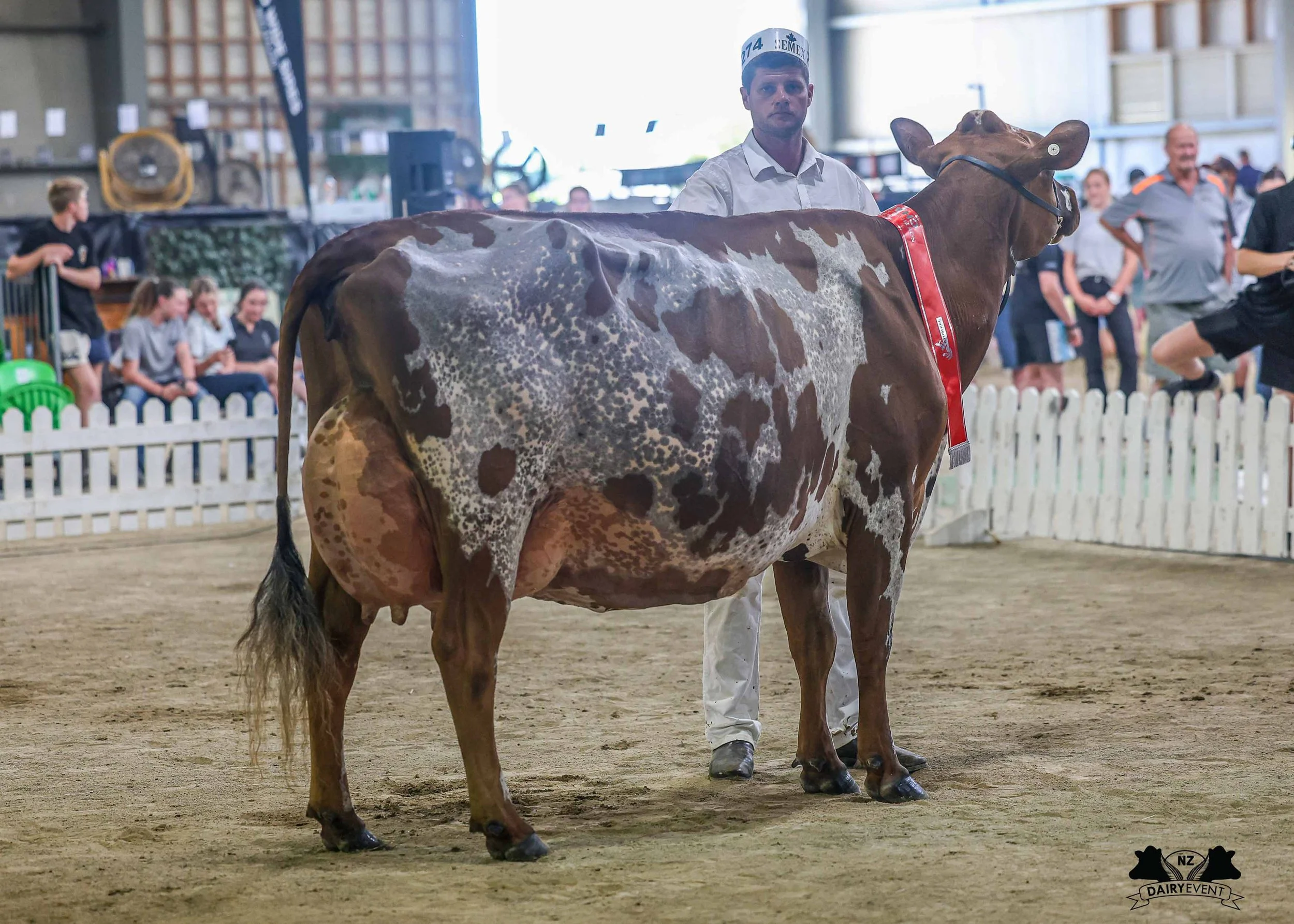
Photo by Sheila Sundborg
Udder conformation counts
A well-constructed udder is another important part of the easy-milking equation.
The udder needs to be functional, balanced and capable of carrying the amount of milk the cow is producing without becoming a problem in the dairy shed or on pasture.
A good udder has quarters that are reasonably balanced and teats that are accessible for cup attachment. Udder depth also matters. An udder that is excessively deep can be more vulnerable to knocks, contamination and physical damage, particularly as the cow gets older.
Strong udder support is valuable throughout a cow’s productive life. As a cow ages, the tissues supporting the udder naturally come under greater pressure. A well-supported udder is more likely to retain useful conformation over several lactations.
For the farmer, that can translate into a cow that remains practical to milk rather than one whose udder becomes increasingly difficult to manage.
Udder conformation is therefore about much more than appearance. It is about functionality, longevity and how well the cow works within the milking system.
How fast should she milk?
Milking speed is an obvious consideration when talking about efficiency.
A cow that releases her milk readily and reaches a sensible flow rate can help keep the milking process moving. But fastest is not necessarily best.
There is a balance to be found between cows that milk too slowly and cows that milk extremely quickly. Very slow cows can hold up the shed, particularly where there are large numbers of cows to milk. Extremely fast milkers can create other management considerations, depending on the herd, plant and milking routine.
The aim is a cow that milks efficiently and predictably.
Consistency is particularly useful. Knowing that a cow generally takes a similar amount of time each milking makes herd management easier. It also becomes easier to identify when something has changed.
A cow that suddenly takes considerably longer to milk than normal may be telling you something.
Cow flow is part of the picture
Even the best-conformed, calmest and fastest-milking cow is not much help if she refuses to move when the herd needs to move.
Cow flow begins before the cow reaches the cups. It includes how she leaves the paddock, enters the yard, moves towards the dairy, takes her place and exits after milking.
Cows are creatures of habit, and they generally respond well to a familiar routine. Good cow flow is helped by a shed and yard layout that allows cows to move naturally rather than forcing them into tight corners, sudden changes of direction or unnecessary stops.
The individual cow also has a role to play.
Some cows seem to know exactly where they are going every time. Others can turn a simple trip through the dairy into a minor negotiation.
When selecting replacements, these behavioural characteristics can be easy to overlook because they are not always captured by production figures. Yet over several hundred milkings, a cow that consistently moves well and settles quickly can save a considerable amount of time and frustration.
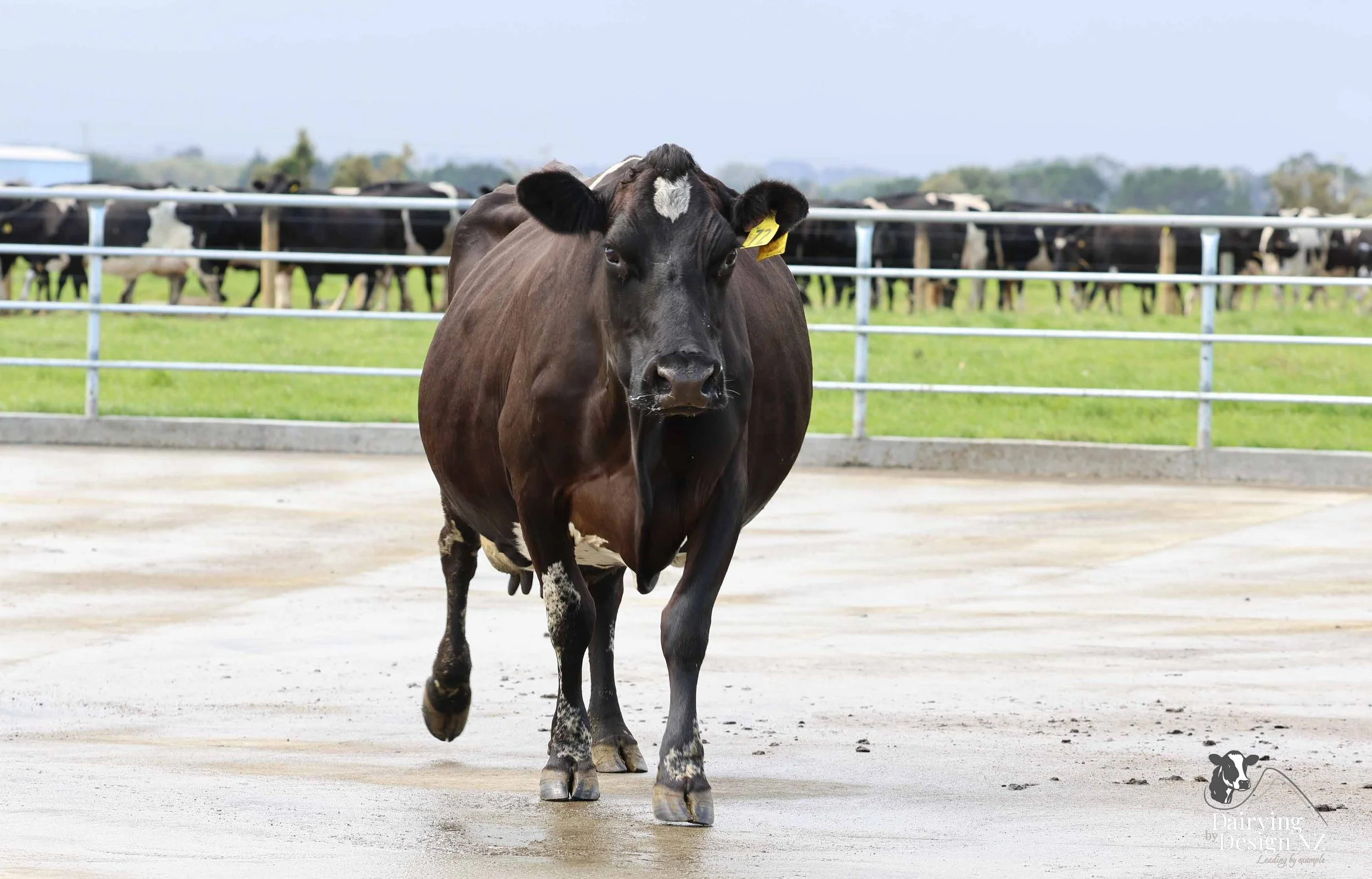
Photo by Dianna Malcolm
The complete package
So, what really makes a cow easy to milk? It is the combination.
A quiet temperament makes her easier to handle. Correct teat placement makes cluster attachment easier. Good udder conformation helps her remain functional and practical as she ages. Appropriate milking speed keeps the process moving. Good cow flow helps the entire herd move through the dairy efficiently.
None of these characteristics should necessarily be considered in isolation.
A fast milker with poor teat placement may not be as practical as a slightly slower cow with excellent udder conformation. A beautifully structured cow that continually becomes agitated in the shed may not be as easy to manage as a quieter, more settled animal.
The best cows tend to bring several desirable characteristics together.
That is where cow selection becomes particularly interesting. The goal is not simply to produce more milk. It is to build a herd of cows that can produce well, stay productive, remain healthy and work efficiently within the farming system.
“Easy milking is not just about speed. It is about how well the whole cow fits the system.”
What farmers can look for
When watching cows being milked, there is a wealth of information right in front of you.
Look at which cows enter calmly. Notice which ones stand comfortably and allow the cups to be attached without fuss. Watch how the clusters sit beneath different udders and whether they remain stable throughout milking.
Take note of cows that consistently milk out efficiently and those that regularly hold up the row.
And perhaps most importantly, look at the cows that make the whole process look effortless.
They are often the ones worth paying close attention to.
The easy-milking cow may not be the cow that catches your eye first. She may not create the biggest production headline or demand the most attention in the shed. But day after day, lactation after lactation, a cow that is calm, well conformed, efficient and predictable can be worth her weight in gold.
When assessing a cow for milking efficiency, think beyond litres of milk.
Consider her temperament, teat placement, udder structure, milking speed and the way she moves through the dairy. A cow that combines these traits is more likely to be a practical, efficient and long-term member of the herd.
That is what makes an easy milker truly valuable.