Hidden emissions fixes
The milk room check that could be saving more than you think
When it comes to reducing emissions on farm, attention often turns towards the big-ticket items. Improving pasture utilisation, reducing nitrogen losses, managing effluent more effectively, and improving animal efficiency are all important pieces of the sustainability puzzle.
However, there are also smaller, less obvious areas around the farm that can have a significant impact over time. One of these is sitting inside the milk room.
Milk cooling systems are essential to every dairy operation, but older refrigeration units can become a hidden source of energy loss and greenhouse gas emissions if they are not regularly checked, maintained, or upgraded when required.
For many farmers, the refrigeration system is simply another piece of equipment that does its job day after day. The milk is cooled, compliance requirements are met, and the focus moves elsewhere. Yet behind the scenes, an ageing system could be working harder than it should, consuming unnecessary power, and potentially losing refrigerant gases through small leaks.
““Some of the easiest sustainability gains are not always found in the paddock. Sometimes they are sitting quietly in the milk room, using more energy than they should.””
The hidden cost of older refrigeration systems
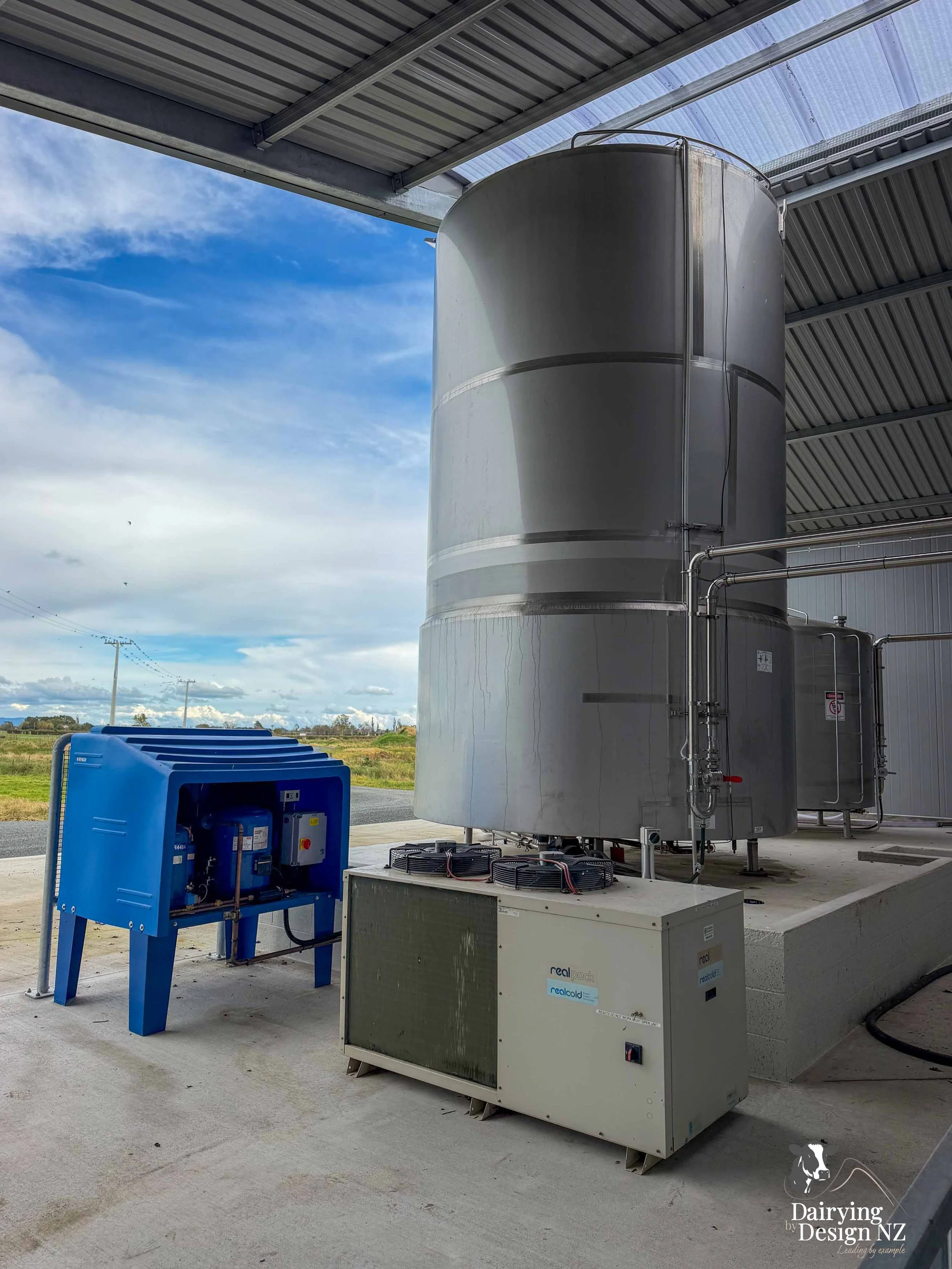
Refrigeration is one of the largest energy users on many dairy farms. While modern systems are designed with efficiency in mind, older refrigeration units may not operate at the same level of performance they once did.
Over time, components wear, seals deteriorate, and systems can become less efficient. This means the refrigeration unit may need to run longer to achieve the same cooling result, increasing electricity consumption and adding unnecessary costs to the farm’s energy bill.
For farmers already looking closely at operating expenses, improving refrigeration efficiency can be a practical way to reduce overheads without affecting production.
A simple system check with a qualified technician can identify whether a refrigeration unit is operating efficiently or whether small maintenance issues are quietly adding up.
Refrigerant leaks: the emissions issue hiding in plain sight
One of the less discussed areas of farm emissions is refrigerant leakage.
Some older refrigeration systems use gases with a higher global warming potential, meaning even small leaks can contribute to greenhouse gas emissions. While the amount lost may seem insignificant, repeated losses over time can create an unnecessary environmental footprint.
Regular servicing, leak detection, and ensuring systems are operating correctly are simple steps that can make a difference.
Farmers do not need to replace every refrigeration system immediately, but understanding the condition of existing equipment is an important first step. Knowing what you have, how efficiently it is running, and what maintenance is required allows better decisions to be made when investment opportunities arise.
Efficiency improvements that make financial sense
Sustainability decisions on farm are most effective when they also make financial sense. Reducing emissions and reducing operating costs often go hand in hand.
A well-maintained milk cooling system can help improve energy efficiency, reduce unexpected breakdowns, and extend the life of existing equipment. In some cases, upgrading older refrigeration technology may provide a worthwhile return through reduced electricity use and improved reliability.
The key is not to focus only on replacement but on understanding performance.
A refrigeration system that is regularly checked, correctly maintained, and operating efficiently is a valuable farm asset.
Looking beyond the obvious
The future of dairy farming will continue to involve finding smarter ways to improve productivity while reducing environmental impact. Farmers are already making significant changes across their businesses, and many of these improvements are happening through practical, everyday decisions.
Hidden emissions fixes are not always about major infrastructure projects or expensive technology. Sometimes they are about looking closely at the equipment already working on farm and asking whether it is still performing as efficiently as possible.
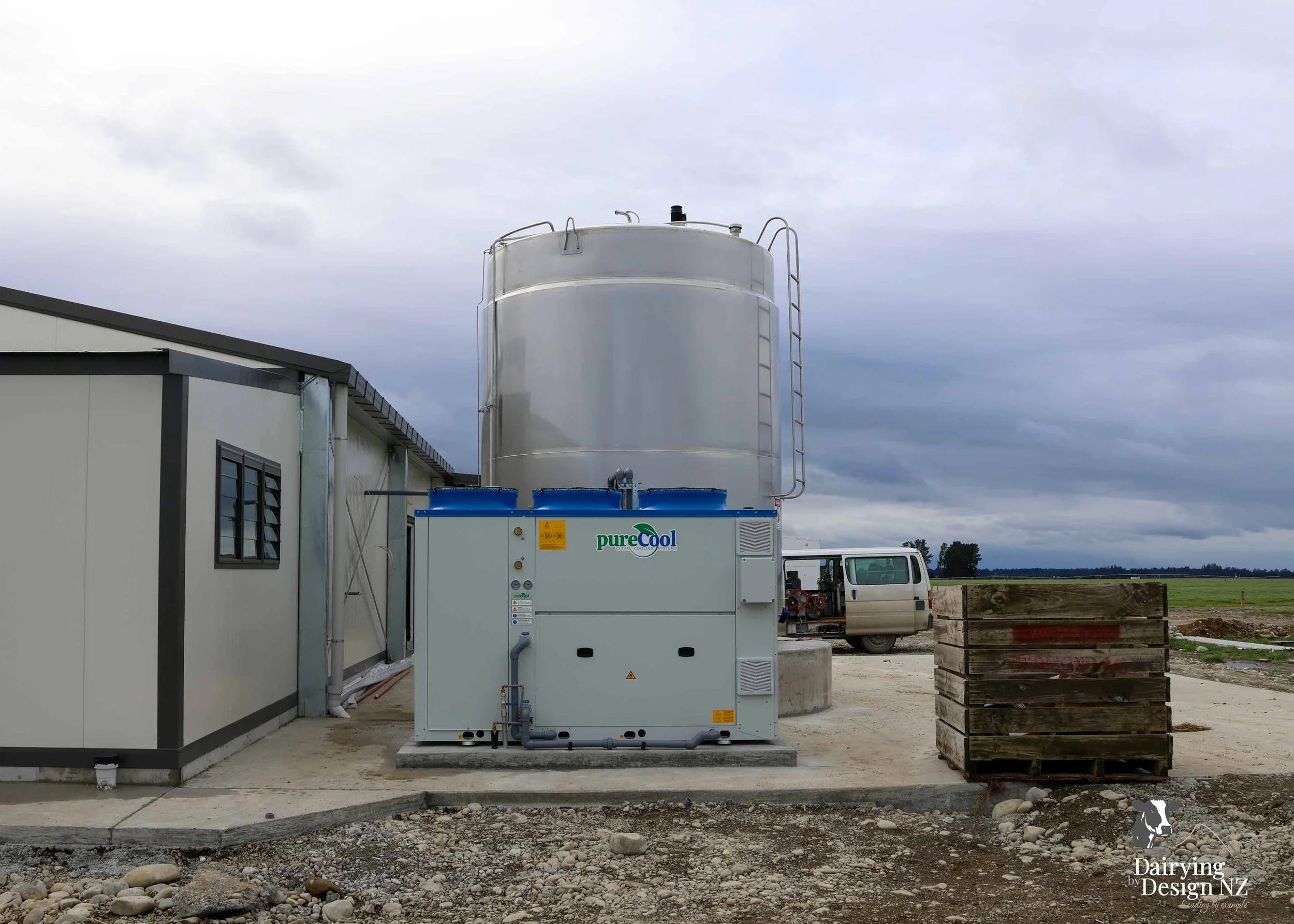
The milk room is a great example. It is an area that operates every day, plays a vital role in milk quality, and can quietly influence both energy costs and emissions.
Taking the time to check refrigeration systems, identify potential leaks, and understand energy use could be one of the simplest sustainability wins available.
Because when it comes to improving farm efficiency, every kilowatt saved and every unnecessary loss avoided contributes to a stronger, more sustainable dairy business.