New Zealand – Grass is King
How New Zealand became one of the world's most efficient pasture-based dairy systems
As the first article in our 7 Days Around the World: How the World Produces Milk series, New Zealand sets the benchmark for what can be achieved when farming systems are designed to work with nature rather than against it. While every dairy-producing nation faces its own unique climate, challenges and opportunities, there is much to learn from the Kiwi approach of growing grass, managing costs and producing high-quality milk for a global market.
Over the next six days, we'll travel to some of the world's leading dairy nations to discover how they produce milk in vastly different environments. From the high-tech precision of the Netherlands and the robotic dairies of Scandinavia to the family farms of Ireland, the mega-dairies of the United States and the camel dairies of the Middle East, each country offers valuable insights into the many ways milk reaches our tables.
One thing quickly becomes clear—there is no single recipe for successful dairying. Yet despite the differences in geography, climate and farming systems, dairy farmers everywhere share the same goal: producing high-quality milk while caring for their animals, their land and the generations that will farm it next.
Every country has its own way of producing milk. Climate, geography, available feed, labour and tradition have all shaped the dairy industries we see today. In this first article of our seven-part series, Around the World: How the World Produces Milk, we begin at home in New Zealand—where grass, seasonal calving and efficient pasture management have created one of the world's most successful dairy industries.
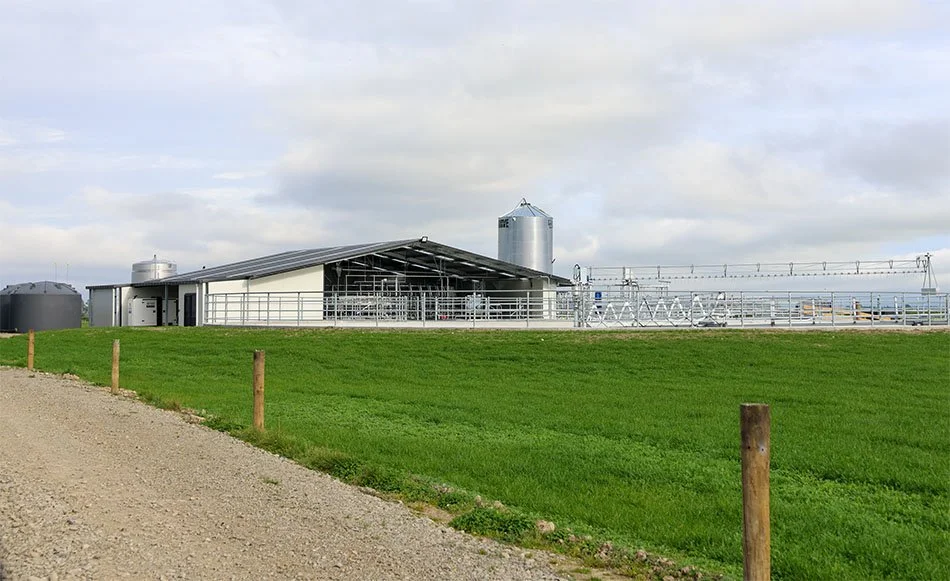
Photo by Dianna Malcolm
If there is one country that has built an international reputation for producing milk efficiently, it is New Zealand. While many dairy-producing nations rely heavily on barns, stored feed and intensive housing systems, New Zealand has remained committed to a farming philosophy centred around one of nature's simplest resources—grass.
From Northland to Southland, millions of dairy cows harvest much of their own feed every day by grazing fresh pasture. It is a system that has evolved over decades, making New Zealand one of the world's lowest-cost milk producers while supplying dairy products to more than 130 countries around the globe.
Although New Zealand produces only a small percentage of the world's milk, it punches well above its weight on the global stage. Around 95 percent of the country's milk production is exported, meaning New Zealand farmers are constantly producing for international consumers rather than simply meeting domestic demand. That export focus has shaped every aspect of the industry, from breeding decisions and pasture management through to processing and on-farm efficiency.
Unlike many overseas dairy industries where cows calve throughout the year, most New Zealand dairy farms operate a seasonal calving system. The majority of calves arrive during late winter and early spring, perfectly timed to coincide with the rapid growth of pasture.
This seasonal approach allows feed demand to match nature's supply. As grass growth accelerates during spring, cows reach peak milk production when fresh pasture is at its most abundant. Rather than relying on large quantities of purchased feed, New Zealand farmers maximise the value of home-grown pasture, reducing production costs while maintaining profitable milk yields.
The system also creates a clearly defined farming calendar. Calving, mating, drying off and winter management become organised around predictable seasonal events, allowing farmers to plan labour, feed budgets and herd management with remarkable precision.
One of the most recognisable features of New Zealand dairying is the rotary dairy. Over the past three decades, rotary platforms have become a common sight across the country, particularly on medium to large-scale farms.
Designed for efficiency, rotary dairies allow cows to step onto a slowly rotating platform where milking is completed while the platform turns. By the time the cow reaches the exit point, milking is complete and she calmly walks back to pasture.
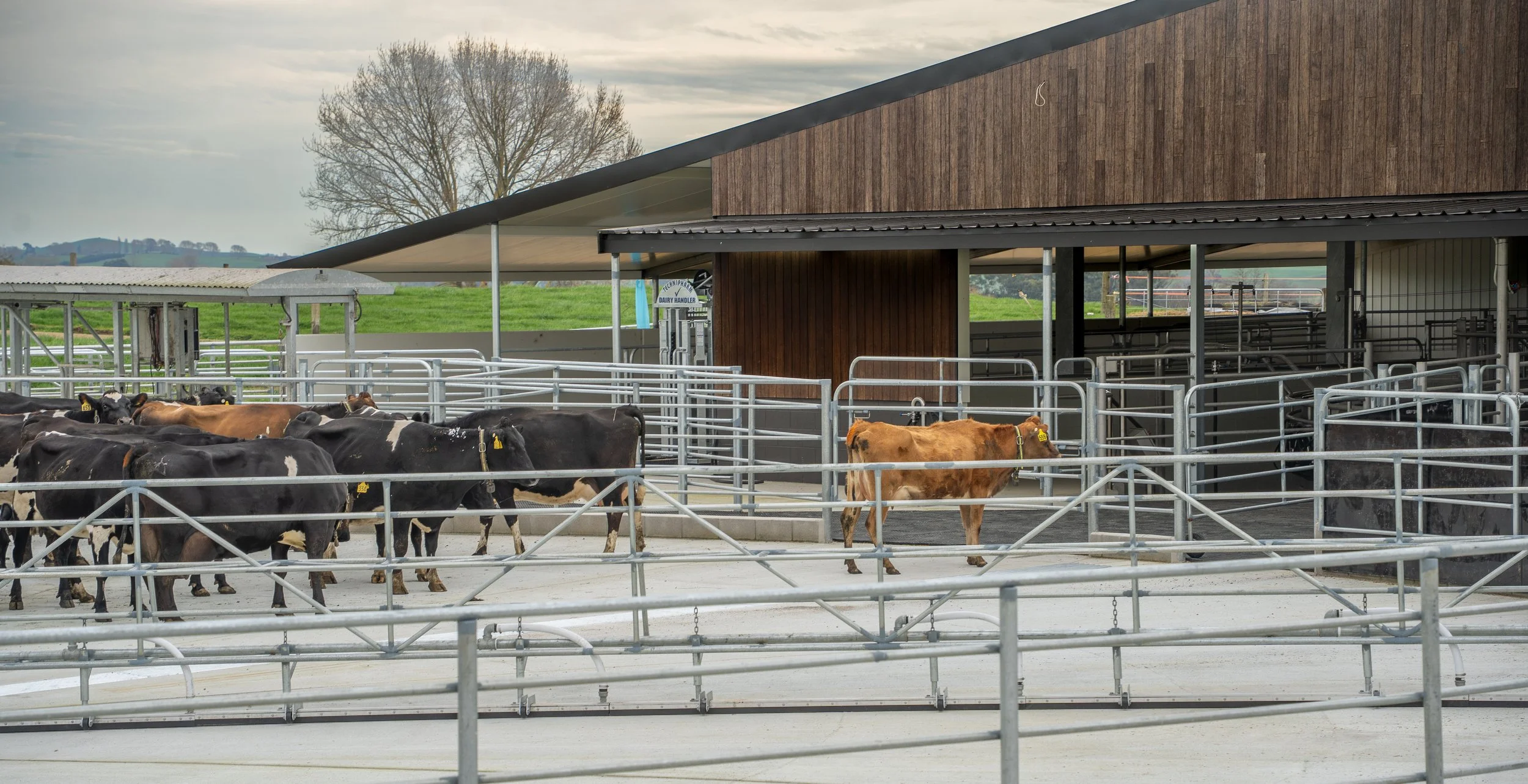
Photo by Dianna Malcolm
The system improves labour efficiency while reducing the physical workload for milking staff. Consistent cow flow, improved ergonomics and faster milking times have enabled many farms to milk larger herds with fewer people, an increasingly important advantage as labour shortages continue to challenge agriculture.
Technology has further enhanced these systems. Automatic cup removers, electronic animal identification, drafting gates and herd management software now provide farmers with instant information on milk production, animal health and reproductive performance. Yet despite these technological advances, the fundamental principle remains unchanged—get cows back onto quality pasture as quickly as possible.
Perhaps the greatest strength of New Zealand's dairy industry is its focus on cost of production rather than maximum production. While some countries achieve extraordinarily high milk yields per cow through intensive feeding systems, New Zealand has traditionally focused on producing milk as economically as possible.
That philosophy influences almost every management decision made on farm.
Breeding programmes place considerable emphasis on cows that walk well, convert pasture efficiently, maintain fertility and remain productive over multiple lactations. Farmers understand that a cow capable of thriving on grazed pasture year after year often delivers greater lifetime profitability than one requiring expensive supplementary feeding to reach her production potential.
This balanced approach has also encouraged farmers to continually refine pasture management. Rotational grazing, careful residual monitoring and strategic pasture renewal allow farms to harvest remarkable quantities of home-grown feed while maintaining pasture quality throughout the season.
“New Zealand’s greatest dairy asset isn’t found in the dairy shed—it’s growing beneath every cow’s feet.”
The country's export focus has also driven an industry-wide commitment to quality. Because the vast majority of dairy products leave New Zealand's shores, international consumers expect consistently high standards of food safety, traceability and animal welfare. Meeting those expectations has encouraged continual investment in research, genetics, environmental stewardship and on-farm best practice.
New Zealand's dairy farmers have also become increasingly focused on sustainability. Improving water quality, reducing greenhouse gas emissions, protecting biodiversity and making better use of nutrients are now central to the industry's future. While challenges remain, farmers continue adapting their systems to ensure pasture-based dairying remains both economically and environmentally sustainable for generations to come.
Perhaps the greatest lesson New Zealand offers the rest of the world is that efficiency is not always measured by producing the most milk per cow. True efficiency comes from producing profitable milk using the resources available while maintaining healthy animals, resilient farming businesses and sustainable landscapes.
Every country farms under different climatic, environmental and economic conditions, so no single system can be copied exactly. However, the principles underpinning New Zealand's success have universal value. Matching feed demand to natural pasture growth, selecting cows suited to local conditions, investing in efficient infrastructure and continually measuring cost of production are lessons that can benefit dairy farmers almost anywhere in the world.
As global agriculture faces increasing pressure to improve productivity while reducing environmental impact, New Zealand's grass-based dairy system continues to attract attention from farmers, researchers and industry leaders worldwide. It demonstrates that sometimes the most innovative farming systems are not those relying on the greatest level of technology, but those making the very best use of nature itself.
Tomorrow, our journey around the world takes us to the Netherlands, where generations of dairy farmers have combined intensive production with precision management to become one of Europe's dairy powerhouses.