“But It’s New Zealand – Surely It’s Not That Hot?”
Heat stress in dairy cows has long been seen as an overseas problem – something that happens in Australia, California or anywhere cows consider SPF50 a basic right. Yet New Zealand dairy farmers are increasingly discovering that even our temperate climate can push cows past their comfort zone.
Summer days in the mid-20s, combined with high humidity, strong solar radiation and a long walk to pasture, can be more than enough to tip cows into heat stress. Add in black coats, high-producing genetics and tight grazing rotations, and suddenly the herd looks less like a milk machine and more like a queue outside the only shady tree.
The challenge with heat stress is that it doesn’t arrive waving a red flag. It sneaks in quietly, shaving litres off the vat, disrupting fertility and nudging animal welfare in the wrong direction. By the time it’s obvious, the damage is often already done.
What Is Heat Stress (and Why Cows Are Bad at Summer)?
Heat stress occurs when a cow’s heat load exceeds her ability to lose heat. Cows generate a lot of internal heat simply by being cows – digesting feed, producing milk and maintaining body functions. When environmental conditions limit heat loss, body temperature rises, and the cow starts making compromises.
Unlike humans, cows don’t sweat efficiently. Their main cooling tools are:
* Breathing faster (panting)
* Increasing blood flow to the skin
* Seeking shade or airflow
* Reducing feed intake
Unfortunately, panting burns energy, reduced feed intake cuts milk production, and standing around instead of lying down is bad for rumen function and hoof health. In short, cows cope – but at a cost.
Heat Stress in a New Zealand Context
New Zealand’s pasture-based systems create a unique heat stress profile. Cows are often walking long distances, grazing in full sun and exposed to variable shelter. While extreme temperatures are less common than in hotter climates, the combination of moderate heat, high humidity and solar load can still push cows over the edge.
Heat stress in NZ is most common:
* During humid summer conditions
* In late lactation when cows are already nutritionally stretched
* On farms with limited shade or long walking distances
* In high-producing herds with larger-bodied cows
Importantly, cows can experience heat stress at temperatures many farmers would still call “pleasant.” If you’re comfortable in shorts and a T-shirt, a cow in a black coat producing 2 kg of milk solids might already be struggling.
Signs of Heat Stress: What the Cows Are Telling You
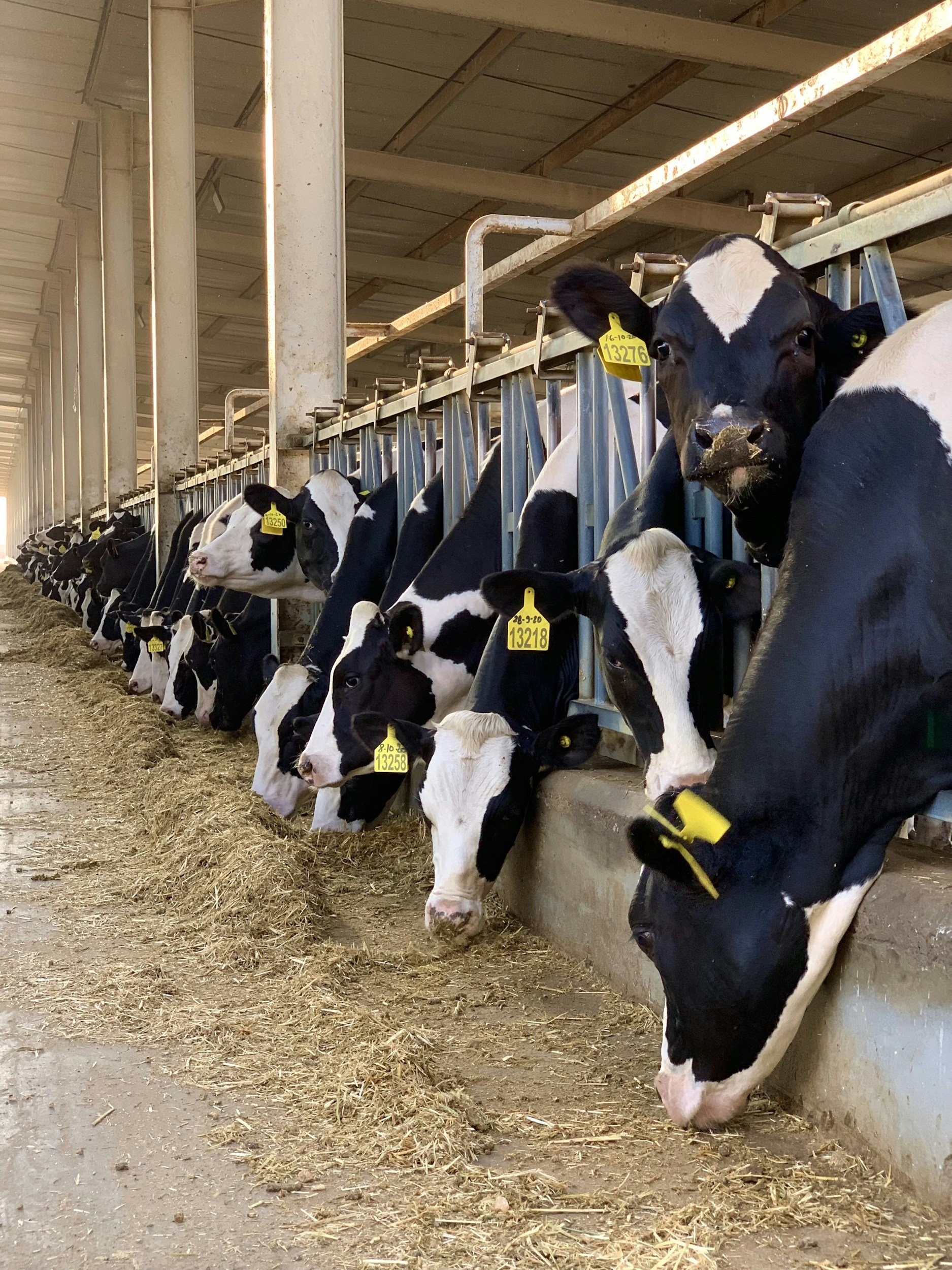
Cows are excellent communicators – if you know what to look for. Early signs of heat stress include:
* Increased respiration or panting
* Reduced grazing activity, especially during the day
* Cows bunching together (often where airflow is best)
* Standing for long periods instead of lying down
* Increased water intake
As heat stress worsens, you may see:
* Noticeable drops in milk yield
* Lower milk protein
* Poorer conception rates
* Higher somatic cell counts
* Greater risk of metabolic disorders
By the time cows are open-mouth panting, the situation has gone from “manageable” to “we should have acted yesterday.”
The Cost of Heat Stress (Spoiler: It’s Not Just Milk)
Milk production losses are the most obvious impact of heat stress, but they’re only part of the story. Reduced dry matter intake means cows enter negative energy balance more quickly, affecting body condition and reproductive performance.
Heat-stressed cows often:
* Show weaker heats
* Have lower conception rates
* Take longer to get back in calf
There are also welfare considerations. Prolonged heat stress increases the risk of lameness (from excessive standing), mastitis and immune suppression. From a people point of view, managing unhappy cows in hot conditions is nobody’s idea of a good afternoon.
Shade: Nature’s Air Conditioning
Shade is one of the most effective tools for reducing heat stress. Trees, shade cloth or purpose-built structures can significantly reduce radiant heat load.
Key considerations:
* Provide enough space to avoid crowding
* Place shade where cows naturally congregate
* Ensure good airflow (a windless shade is just a warm waiting room)

Water: More Than Just a Drink
Heat-stressed cows drink more, and they want water now – not after a 20-minute walk. Adequate trough space, high flow rates and clean water are critical.
A good rule of thumb: if cows are queuing for water, you’re already behind.
Timing Is Everything
Adjusting grazing and milking times can reduce heat load significantly. Early morning and late evening grazing allows cows to eat when temperatures are lower, maintaining intake and rumen health.
If possible, avoid long walks and yarding during the hottest part of the day. Cows don’t enjoy standing on concrete in the sun any more than you would.
Airflow and Infrastructure
Good airflow around yards, feed pads and holding areas helps cows lose heat. Even modest air movement can make a noticeable difference.
Simple changes – such as opening up fences, improving orientation or reducing time in holding yards – can pay dividends.
Genetics, Body Condition and the Long Game
Not all cows respond to heat stress the same way. Larger cows, darker coats and higher milk production all increase susceptibility. Over time, breeding decisions that balance production with robustness may improve resilience.
Maintaining appropriate body condition is also key. Over-conditioned cows struggle more in the heat, while under-conditioned cows lack the reserves to cope with reduced intake.
Planning Ahead: Heat Stress Isn’t a Surprise Anymore
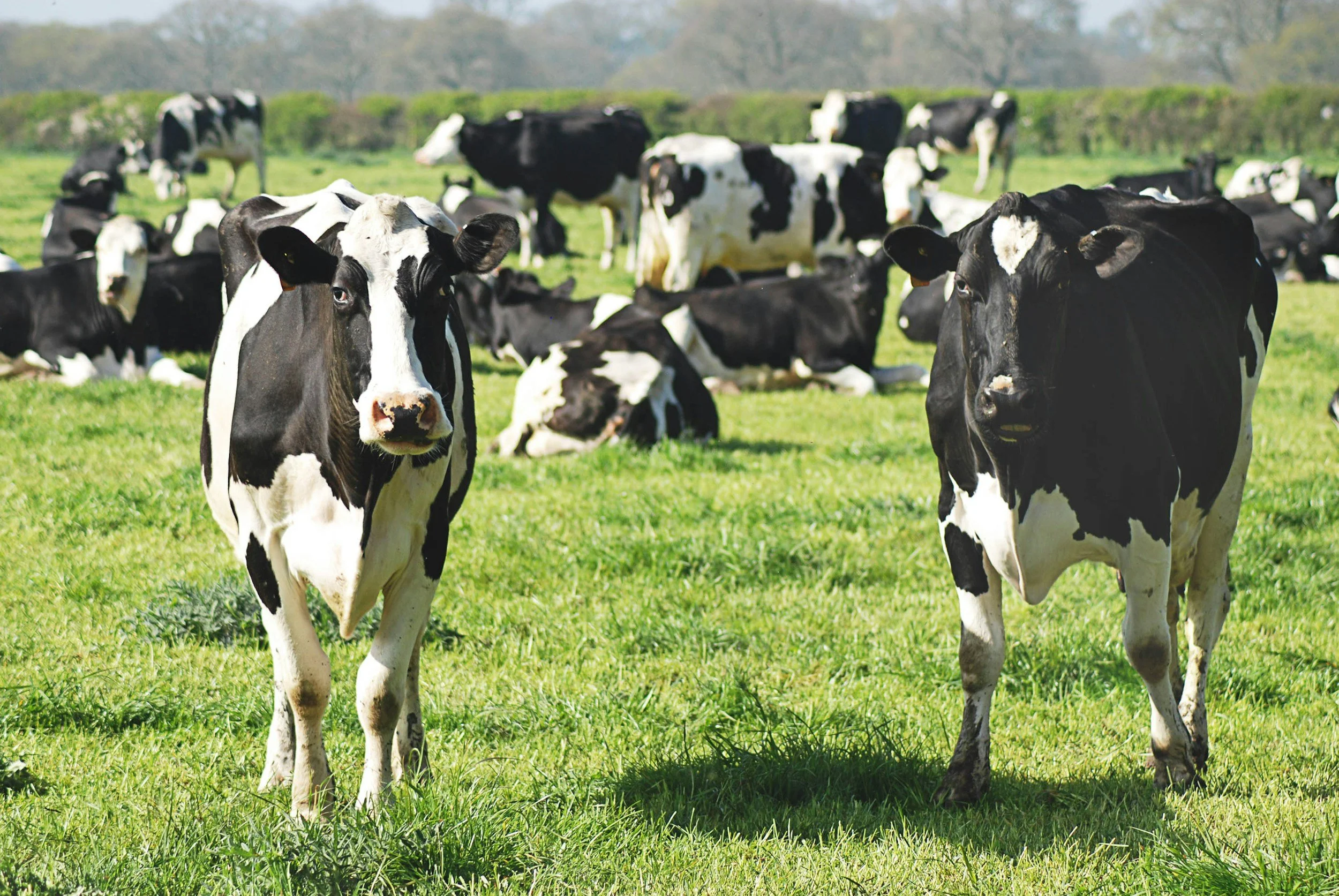
The biggest shift in managing heat stress is moving from reaction to preparation. Heat stress events are becoming more predictable, and tools such as weather forecasts and temperature-humidity indices can help farmers act early.
Simple heat action plans – adjusting grazing times, opening up shade areas, checking water supply – can be the difference between a small dip and a serious setback.
Conclusion: Keep It Cool, Keep It Productive
Heat stress in dairy cows isn’t about dramatic collapse or record-breaking temperatures. It’s about small, repeated compromises that quietly erode performance and welfare. In New Zealand’s pasture-based systems, the solution isn’t air-conditioned barns – it’s thoughtful management, good infrastructure and listening to what the cows are telling us.
If the herd is panting, bunching or looking unimpressed with summer, they’re not being difficult. They’re just hot. And like the rest of us, they’ll do a much better job once they’ve cooled down.