New Zealand's pasture-based dairy systems rely on seasonal growth patterns that rarely match herd demand perfectly. Feed surpluses often occur in spring, while deficits are common in summer, autumn, and early spring.
Hay and silage allow farmers to capture surplus pasture before it becomes rank, maintain pasture quality across the platform, support cows during lactation or dry periods, build resilience against droughts and climate variability, and reduce reliance on bought-in feed.
While both hay and silage preserve pasture, they differ in production method, flexibility, and feeding value. Understanding these differences helps farmers choose the right approach for their system and conditions.
Hay vs Silage: Key Differences
In most NZ dairy systems, silage is the preferred option, with hay used opportunistically when weather conditions are ideal. Silage preservation relies on fermentation in an oxygen-free environment, while hay depends on drying. This fundamental difference creates distinct advantages and challenges for each method.
Silage offers a wider harvest window and more consistent feed quality, though it requires careful management to avoid storage losses. Hay demands perfect weather but stores well once properly cured, with minimal ongoing losses if kept dry. The weather risk for hay is considerably higher, particularly in regions with unreliable summer conditions.
Labour and machinery requirements also differ. Hay production is moderately demanding, requiring mowing, turning, and baling equipment. Silage systems, particularly bunker or pit silage, need more specialised machinery for chopping, carting, and compaction, along with greater labour input during harvest.
Pasture and Crop Selection
Most hay and silage in New Zealand is made from perennial ryegrass–white clover pastures, hybrid or Italian ryegrass paddocks, and short-term pasture renewal areas. High-quality feed comes from pasture with high leaf content, minimal dead material, and low seedhead development.
Some farms also grow dedicated silage crops such as maize silage, which offers high energy and consistent yield, whole-crop cereal silage, or summer brassicas for later conservation. Crop silage offers yield certainty but requires planning, capital, and nutrient replacement strategies.
The choice between pasture-based and crop silage often depends on farm scale, regional climate, soil type, and overall feed system. Pasture silage integrates easily into rotational grazing systems, while crops require dedicated land and typically higher input costs.
Timing: The Single Biggest Driver of Feed Quality
The optimal time to harvest pasture for hay or silage is early reproductive stage, before seedhead emergence. At this stage, metabolisable energy is highest, fibre levels are lower, leaf-to-stem ratio is optimal, and palatability and intake are improved.
Delaying harvest by even seven to ten days can significantly reduce ME and crude protein. As pasture matures, stems thicken, leaves die off, and energy concentration drops. This decline accelerates once seedheads fully emerge, making late cuts far less valuable as supplements.
Seasonally, spring is the primary silage-making period due to surplus growth, while early summer offers opportunities for second-cut silage or hay, provided weather allows. Autumn cuts typically yield less but can be useful for balancing pasture covers heading into winter.
Farmers face a constant tension between maximising yield and preserving quality. Waiting too long increases tonnage but sacrifices nutritional value, often to the point where the extra bulk doesn't justify the loss in feed quality.
Making High-Quality Silage
Successful silage begins with mowing in dry conditions and aiming for rapid wilting to 30–40% dry matter. Using mower-conditioners speeds moisture loss by crushing stems, while excessive tedding should be avoided to reduce leaf loss. Wilting too slowly increases the risk of sugar loss, poor fermentation, and clostridial spoilage.
Once wilted, pasture should be chopped to 25–40 mm lengths, which aids compaction and fermentation. The stack must be filled quickly and compacted continuously to exclude oxygen. Every layer should be rolled thoroughly, as oxygen pockets create hot spots, mould, and energy loss.
Sealing immediately using high-quality plastic is essential. Any delay allows aerobic bacteria to flourish, reducing feed quality and increasing waste. Weighted tyres or gravel bags help keep plastic tight and prevent wind damage.
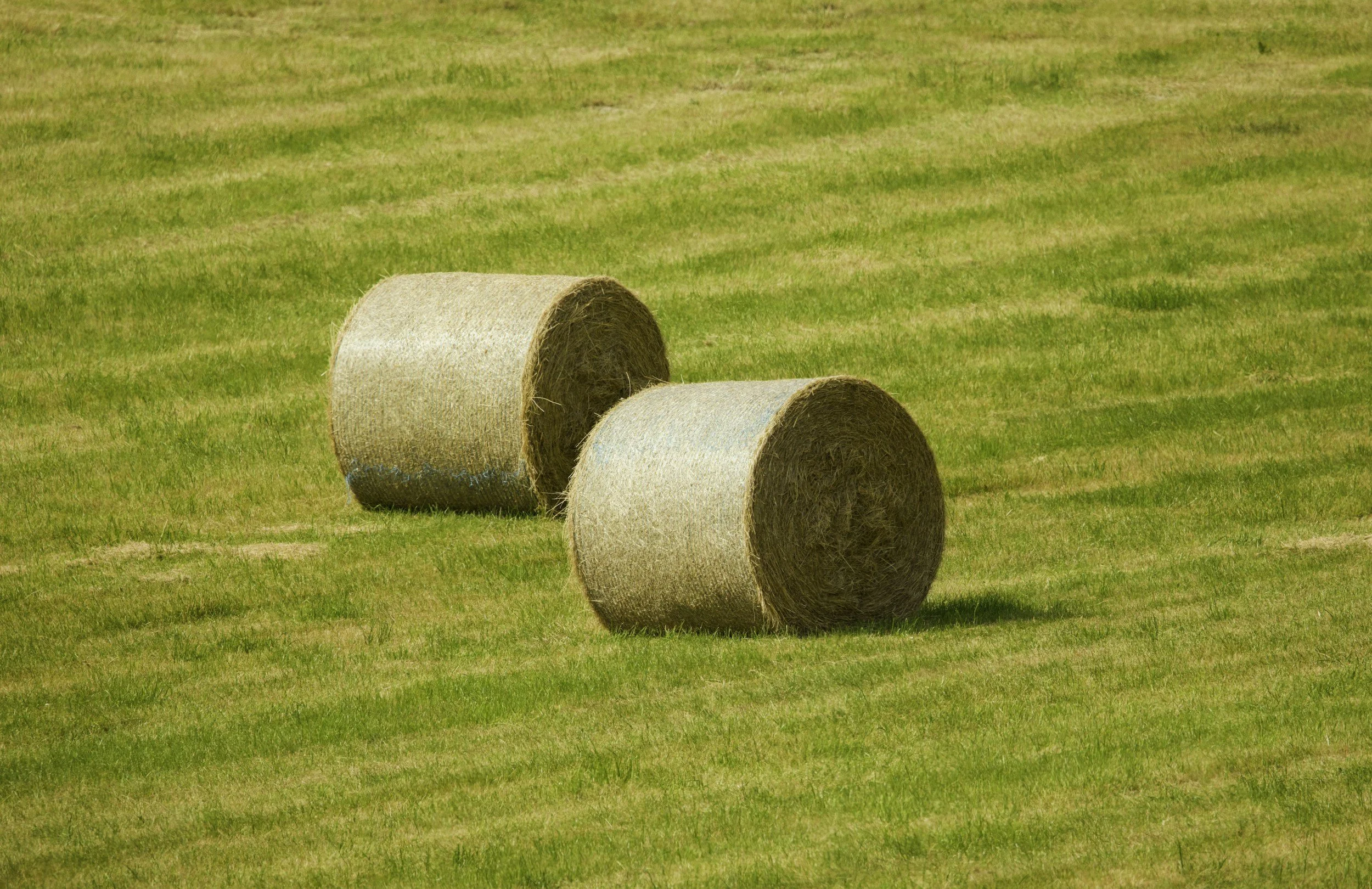
Common silage systems include bunkers and stacks, wrapped bales, and silage pits. Wrapped bale silage is popular for its flexibility and portion control, making it ideal for smaller operations or farms wanting to minimise waste when feeding. Bunkers suit larger-scale operations with higher daily feed-out rates and more efficient use of machinery.
Poor compaction, slow filling, or inadequate sealing leads to heating, mould growth, energy loss, and reduced intakes. Cows will often refuse spoiled silage, or eat it reluctantly, limiting the return on investment.
Making High-Quality Hay
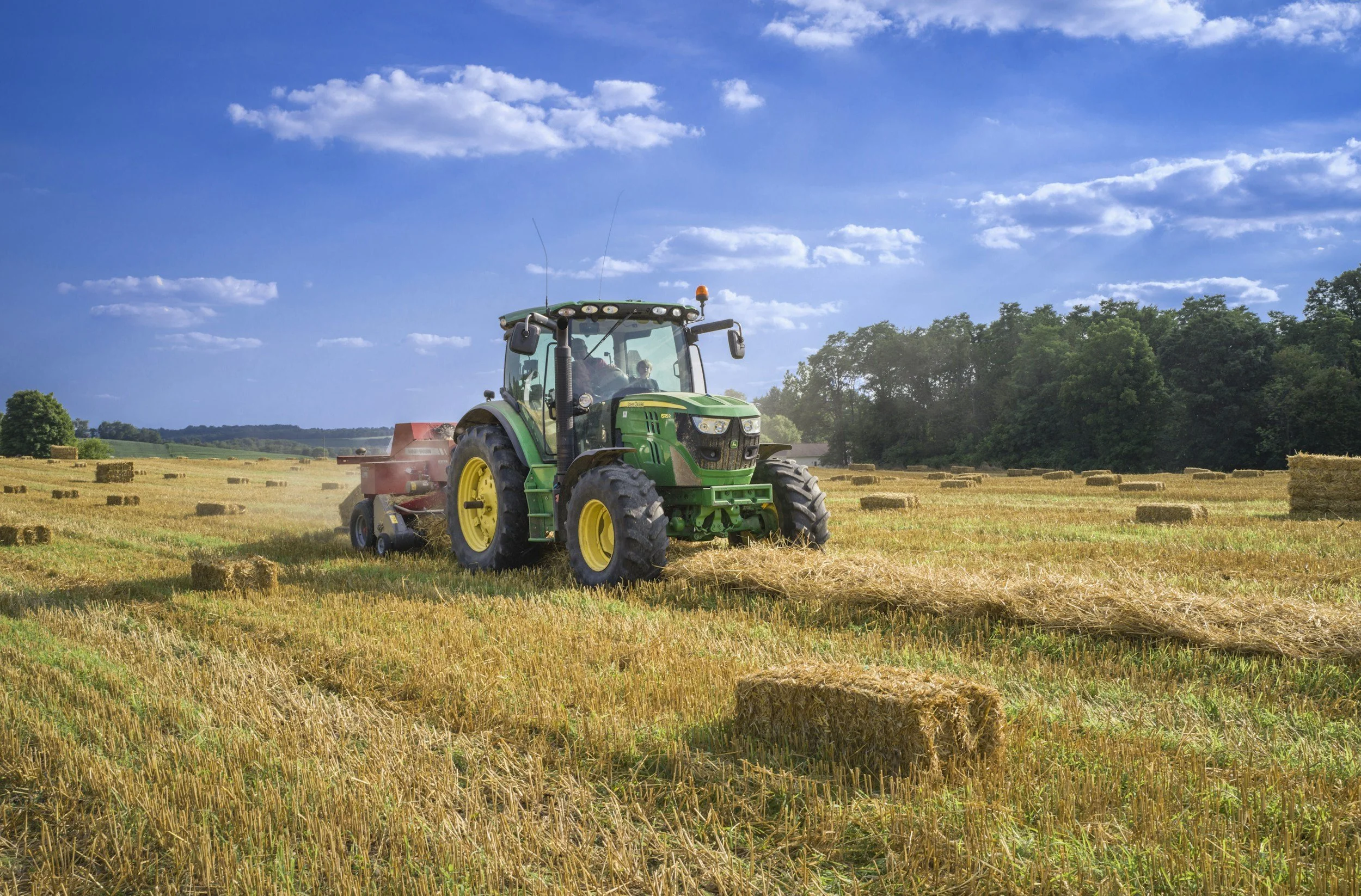
Hay requires a string of fine days, making it riskier in many regions of New Zealand. Rapid drying to 85% DM or higher is essential, along with minimal rainfall during curing and careful handling to reduce leaf shatter. Rain on curing hay leaches sugars, reduces ME, and increases mould risk, sometimes rendering the hay unsaleable or unsuitable for feeding.
Best practice involves cutting in the morning after dew lift, conditioning stems to speed drying, turning only when necessary to avoid leaf loss, and baling when moisture levels are safe. Over-dry hay leads to excessive leaf loss, especially in clover-rich pastures, which are particularly fragile once fully cured.
Storage under cover protects hay from moisture and pests, preserves nutritional value, and extends shelf life. Stacking to allow airflow prevents condensation and mould development. Monitoring for heating in the first few weeks is important, as bales that heat excessively can spontaneously combust or spoil.
While hay offers excellent storage potential, the weather dependency makes it an unreliable primary supplement in regions with changeable summer conditions. Many farmers view hay as a bonus crop, made when conditions allow, rather than a planned system input.
Nutritional Value and Feed Testing
Hay and silage quality can vary widely depending on harvest timing, wilting, fermentation, and storage. Feed testing is essential to understand energy and protein content, balance diets accurately, and avoid underfeeding or wastage.
Key metrics include dry matter, metabolisable energy, crude protein, and neutral detergent fibre. High-quality pasture silage typically tests at 10.5–11.5 MJ ME/kg DM, while late-cut silage or hay may fall below 9.5 MJ. This difference can have a substantial impact on milk production and feed conversion efficiency.
Without testing, farmers risk overestimating feed quality and underfeeding their herd, or conversely, feeding more supplement than necessary and inflating costs. Testing also reveals issues like high ash content, clostridial fermentation, or mould contamination that may not be obvious from visual inspection alone.
Feeding Strategy on Dairy Farms
Hay and silage are most effective when used strategically, not as pasture replacements. They should be fed to protect residuals and pasture regrowth, matched to cow demand, and integrated into the overall grazing plan.
Common uses include buffer feeding in spring to manage surplus growth and prevent pasture quality decline, supporting lactation during summer dry spells when pasture growth slows, feeding dry cows to manage body condition without overgrazing, and transition feeding pre-calving to prepare cows for lactation.
Feeding poor-quality supplements at peak lactation limits milk response and increases costs per litre. Conversely, feeding high-quality silage to dry cows may represent wasted value. Matching supplement quality to animal demand maximises efficiency and profitability.
Portion control, consistent feed-out, and minimising waste are equally important. Silage left exposed deteriorates rapidly, while poorly stored hay can become unpalatable or unsafe. Managing the face of silage stacks, using bale feeders, and rotating older inventory all contribute to better outcomes.
Environmental and Nutrient Considerations
Silage and hay removal exports nutrients from paddocks, particularly potassium, nitrogen, and sulphur. Without replacement, repeated cuts from the same paddocks degrade soil fertility and pasture persistence.
Best practice includes nutrient budgeting based on removal rates, targeted fertiliser replacement aligned with soil tests, and avoiding repeated silage cuts from the same paddocks year after year. Rotating silage areas and returning manure or effluent helps maintain nutrient balance.
Well-managed supplements also reduce environmental risk by preventing overgrazing, which compacts soil and increases runoff, reducing nitrate leaching through better pasture utilisation, and improving overall farm resilience to weather variability.
Farmers who integrate supplements thoughtfully into their systems often find they can carry higher stocking rates, improve per-cow performance, and reduce reliance on external inputs, all while managing environmental footprints more effectively.
Building a Resilient Supplement System
Successful hay and silage production comes down to forward planning, timely decision-making, and matching supplements to system needs. Farmers who consistently produce high-quality supplements benefit from greater feed security, improved milk production, better pasture control, and reduced reliance on purchased feed.
Planning starts months before harvest, with decisions about paddock selection, fertiliser application, and machinery readiness. Monitoring weather windows and being prepared to act quickly when conditions are right often makes the difference between excellent feed and wasted effort.
Investing in quality machinery, skilled operators, and robust storage infrastructure pays dividends over time. While upfront costs can be significant, the long-term savings in feed costs and improved herd performance justify the investment on most dairy farms.
Hay and silage are more than just backup feeds—they are strategic tools in modern New Zealand dairy farming. By focusing on early harvest, good technique, and quality preservation, farmers can turn surplus pasture into valuable, high-performing supplements that support both profitability and resilience.
The difference between average and exceptional supplements often comes down to attention to detail: cutting at the right time, wilting or drying efficiently, compacting thoroughly, and storing properly. Each step matters, and shortcuts at any stage compromise the final product.
For New Zealand dairy farmers operating in variable climates with pasture-based systems, mastering hay and silage production is not optional—it's essential for sustainable, profitable farming in the decades ahead.