How Clean Is Too Clean? Finding the Balance in Dairy Shed Hygiene

By Lois Natta
Welcome to the third feature article in our series on calf rearing. Over the coming days, we will explore the key decisions, challenges and opportunities involved in raising healthy, resilient calves that have the best possible start in life and the potential to become productive, long-lasting members of the dairy herd.
From nutrition and immunity to housing, hygiene and early development, this series will look at the practical knowledge and proven strategies that help farmers give their calves the strongest foundation for the future.
Every successful calf rearing programme begins with one common goal – giving young animals the healthiest possible start in life. Nutrition, housing, ventilation and colostrum all play vital roles, but hygiene is another cornerstone that deserves careful attention.
Keeping calf facilities clean is one of the most effective ways to reduce disease pressure, yet there is an important distinction between creating a hygienic environment and trying to remove every microorganism from the farm.
In modern dairy farming, the objective isn't to create a sterile environment. It's to create the right environment.
Clean Doesn't Mean Lifeless
Dairy farms are naturally full of microscopic life. Soil, pasture, fresh air, livestock and even healthy bedding contain countless microorganisms that have always been part of a farming system.
Many of these microbes are harmless, while some even play a role in helping young calves develop healthy immune systems as they mature.
Problems arise when harmful organisms gain the upper hand.
Disease-causing bacteria, viruses and parasites can multiply rapidly in damp, dirty conditions, particularly where calves are housed closely together. This is why routine cleaning and sanitation remain essential, but they are only part of the bigger picture.
The aim is to reduce disease risk—not eliminate every naturally occurring microorganism.
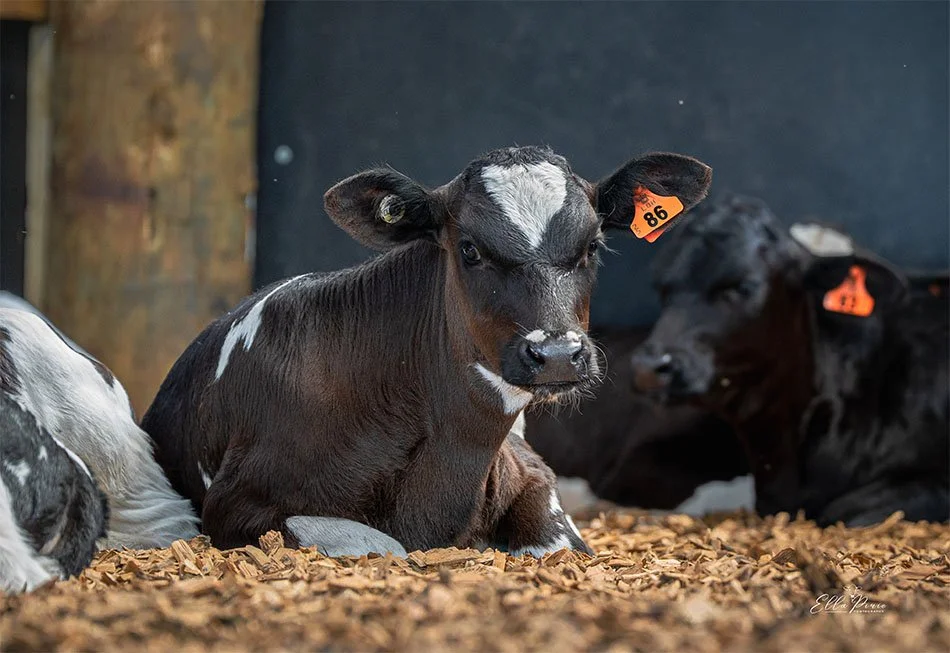
Photo by Ella Pirie Photography
Why Young Calves Need Protection
Newborn calves enter the world with an immune system that is still under construction.
Their first line of defence comes from receiving high-quality colostrum as soon as possible after birth. Those valuable antibodies provide immediate protection while the calf gradually develops its own immune responses over the following months.
During this period, calves are naturally exposed to everyday microbes found in their surroundings. As long as those surroundings are clean, dry and well managed, this gradual exposure helps their immune system learn how to respond appropriately to future challenges.
It's a process nature has relied on for generations.
Hygiene Where It Matters Most
Some areas of calf management simply cannot be compromised.
Milk feeding equipment should be thoroughly cleaned after every feed to prevent bacteria multiplying in milk residue. Buckets, teats and mixing utensils all need regular washing and sanitising.
Fresh drinking water should always be available, with troughs cleaned frequently to prevent slime and bacterial build-up.
Equally important is calf housing.
Moisture is one of the biggest enemies of calf health. Damp bedding creates ideal conditions for disease organisms while also increasing humidity inside sheds. Combined with poor ventilation, this can contribute to respiratory illness, one of the most common health challenges during calf rearing.
Providing deep, dry bedding and maintaining good airflow often delivers greater health benefits than simply increasing the amount of disinfectant being used.
Cleaning Comes Before Disinfecting
One of the biggest misconceptions in farm hygiene is that stronger chemicals automatically produce better results.
In reality, disinfectants only work effectively when surfaces have already been cleaned properly.
Organic matter such as manure, milk residue and dirt can quickly reduce the effectiveness of many sanitising products. If these materials remain on equipment or flooring, disinfectants may struggle to reach the organisms they're intended to destroy.
Good hygiene begins with physically removing contamination before applying an approved sanitiser according to the manufacturer's instructions.
More product isn't necessarily better—using the right product correctly is what counts.
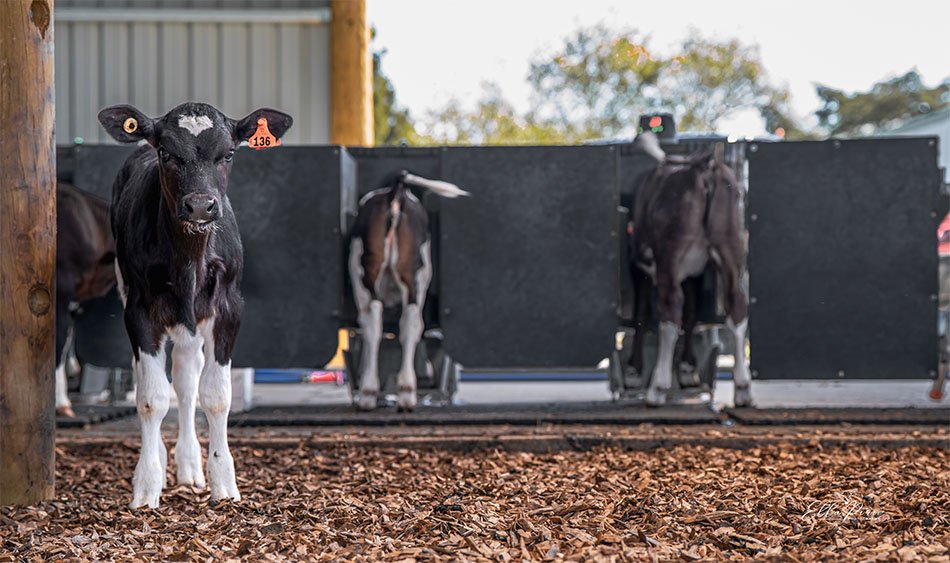
Photo by Ella Pirie Photography
Looking Beyond the Chemicals
Successful calf rearing relies on a combination of management practices rather than a single solution.
Calves thrive when they receive:
Prompt, high-quality colostrum after birth.
Consistent nutrition and access to clean water.
Comfortable, dry bedding.
Fresh air without draughts.
Adequate space to reduce disease transmission.
Calm, low-stress handling.
When these foundations are in place, hygiene becomes far more effective because calves are already better equipped to cope with everyday disease challenges.
No disinfectant can compensate for overcrowding, poor ventilation or inconsistent feeding routines.
Finding the Right Balance
New Zealand dairy farmers have always understood the value of practical stockmanship.
Maintaining clean calf sheds, washing feeding equipment and controlling disease remain fundamental responsibilities on every farm. These practices protect calf health, improve growth rates and support long-term productivity.
At the same time, it's important to remember that calves are being raised on working farms—not inside sterile laboratories.
Healthy immune systems develop over time through good management, sound nutrition and gradual exposure to the normal farming environment.
The goal isn't to remove every microorganism from the farm. It's to minimise the harmful ones while providing calves with the conditions they need to grow into strong, resilient animals.
Like many aspects of dairy farming, success comes from balance.
A clean calf shed reflects good management. A healthy calf reflects everything working together.