

There is something unmistakably heartwarming about watching a group of young calves racing around a paddock on a crisp winter morning. They buck, kick, chase one another and then, just as suddenly, collapse into a patch of sunshine as though they have not a care in the world. To many dairy farmers, it is one of the first visible signs that calves are healthy, full of energy and settling into life.
Yet for every farmer happy to let calves outside early, another prefers to keep them tucked away in the calf shed until they are older and stronger. The concern is understandable. New Zealand winters can be unpredictable. One day can be calm and sunny, while the next brings icy winds, driving rain and temperatures that test even adult cattle.
So how soon is too soon to let calves experience the outdoors?
“Calves were never designed to spend their entire early life standing still. Fresh air, sunshine and the freedom to play all contribute to building stronger, more confident young stock.”
The answer is not determined by age alone. It depends far more on the weather, the calf's health, and the environment waiting outside.
Healthy calves benefit enormously from access to fresh air and natural sunlight. While calf sheds provide protection during those vulnerable first days of life, they should not become permanent homes simply because it feels safer. Given the right conditions, spending time outdoors can contribute positively to both physical health and behavioural development.
One of the greatest benefits of winter sunshine is vitamin D production. Like many mammals, calves rely on sunlight to naturally produce vitamin D, which plays an important role in calcium absorption, bone development and immune function. While milk replacers and calf feeds contain added vitamins, natural sunlight still offers advantages that cannot always be replicated through supplementation alone.
Sunlight also helps regulate normal daily rhythms. Exposure to natural daylight encourages normal sleeping and feeding patterns while providing a more stimulating environment than an enclosed shed.
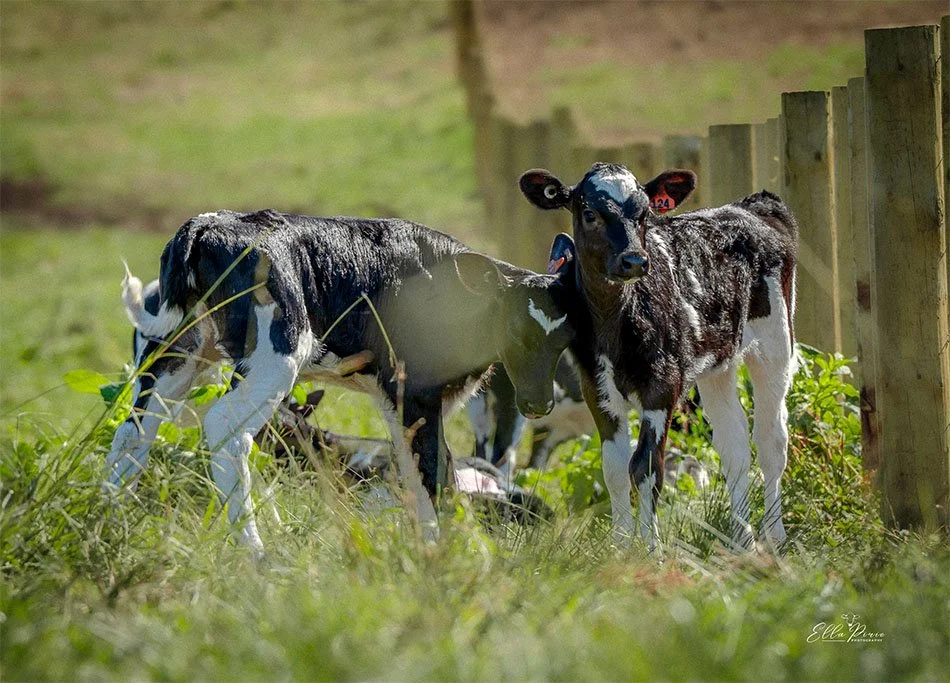
Photo Ella Pirie Photography
Then there is the simple matter of exercise.
Calves were never designed to stand in small pens all day. Running, jumping and playing are all part of normal development. Those playful bursts of energy strengthen muscles, improve coordination and build confidence as calves learn to move over different surfaces.
Anyone who has watched calves racing around after being let outside knows just how much they enjoy the opportunity.
Fresh air can also reduce the concentration of airborne bacteria and viruses found inside enclosed housing. Even well-designed calf sheds can experience increased humidity during winter, particularly when large numbers of calves are housed together. Outdoor time helps reduce prolonged exposure to stale air and can lower the risk of respiratory problems when managed correctly.
Of course, the key phrase is "managed correctly."
Winter sunshine does not automatically mean suitable calf weather. Bright blue skies accompanied by a bitter southerly wind can chill calves remarkably quickly. Wind chill often presents a far greater risk than temperature alone.
Before opening the gate, farmers should ask themselves a few simple questions. Is the paddock sheltered from prevailing winds? Is the ground reasonably dry? Is there somewhere calves can escape if conditions change? Are they healthy, bright and feeding well?
A calf that is still recovering from scours or showing signs of pneumonia is unlikely to benefit from an outdoor adventure. Sick calves need warmth, rest and close monitoring before joining the more energetic members of the group.
Likewise, very young newborn calves should not be rushed outside. During their first few days they are still adapting to life outside the womb, developing their immune systems and learning to regulate their own body temperature. Keeping them warm and dry during this period remains the priority.
As calves become stronger and are drinking well, short periods outdoors on fine winter days can be introduced gradually. There is no need for them to spend all day outside initially. Even an hour or two in calm, sunny conditions provides valuable exercise and exposure before returning to their sheltered housing.
Timing also matters. Mid-morning through early afternoon usually offers the warmest conditions during winter. Early mornings often bring heavy frosts, while late afternoons cool rapidly once the sun drops lower.
The outdoor area itself deserves careful planning. Mud quickly becomes the enemy of healthy calves. Wet paddocks increase heat loss, dirty coats and the spread of disease. A well-drained sacrifice area, race or small grass paddock can provide far better footing than gateways or heavily trampled corners that remain wet throughout winter.

Shelter is equally important. Trees, hedges, earth banks or purpose-built windbreaks allow calves to choose protection if the weather changes. Providing access to both sunshine and shelter gives calves the opportunity to regulate their own comfort.
Some farmers worry that letting calves outside during winter will increase the risk of illness. In reality, problems usually arise when calves become cold, wet or stressed rather than simply being outdoors. A healthy calf standing in sunshine on dry ground with shelter nearby is often in a better environment than one standing for days in a damp, poorly ventilated shed.
Like many aspects of calf rearing, success comes down to observation rather than rigid rules. Farmers who spend time watching their calves quickly recognise the signs. Bright eyes, playful behaviour, full stomachs and calves that happily lie chewing their cud are usually telling you they are comfortable. Hunched backs, shivering, reluctance to move or calves huddling together suggest conditions are no longer suitable.
Good stockmanship has always been about responding to what animals are telling us rather than simply following the calendar.
For New Zealand dairy farmers, winter should not automatically mean keeping calves indoors for weeks on end. When the weather is right and calves are healthy, access to fresh air, sunshine and room to play offers significant benefits for growth, welfare and development. The challenge is not deciding whether calves should experience the outdoors. It is choosing the right day, the right conditions and the right amount of time.
Because sometimes the best thing a young calf needs is exactly what nature intended: a patch of winter sunshine, a dry paddock and the freedom to kick up its heels.