
For many dairy farmers, mastitis is a familiar battle. It is one of those challenges that can appear suddenly — a swollen quarter, abnormal milk, a cow needing treatment — but the true cost often extends far beyond the obvious signs.
While clinical cases are easy to identify, it is the hidden impact of mastitis that can quietly affect herd performance, milk production, profitability and cow longevity.
With cows moving through calving and into early lactation, this is a critical time to review mastitis prevention strategies and ensure the systems in place are protecting both cows and production.
The hidden cost of mastitis
Mastitis is more than just a treatment event. Every case has a cost attached, including discarded milk, veterinary expenses, additional labour, reduced production and, in some cases, the premature removal of valuable cows from the herd.
Research has shown that even cows which recover from mastitis may not always return to their previous level of production. Damage to udder tissue, increased somatic cell counts and ongoing inflammation can have long-term effects.
For farmers, this means prevention remains one of the most valuable investments in herd health.
“The best mastitis strategy is not simply treating cases when they occur — it is creating a system where fewer cows develop mastitis in the first place.”
Why the post-calving period is critical
The transition from calving into early lactation places significant demands on cows. Their immune system is challenged, energy requirements increase rapidly, and management pressure is often at its highest.
Fresh cows are particularly vulnerable during this period. Environmental bacteria, reduced immunity, changes in diet and the physical stress of calving can all contribute to increased mastitis risk.
This is why the first few weeks after calving are so important. A strong focus on cow comfort, hygiene and observation can make a significant difference to the number of cases seen throughout the season.
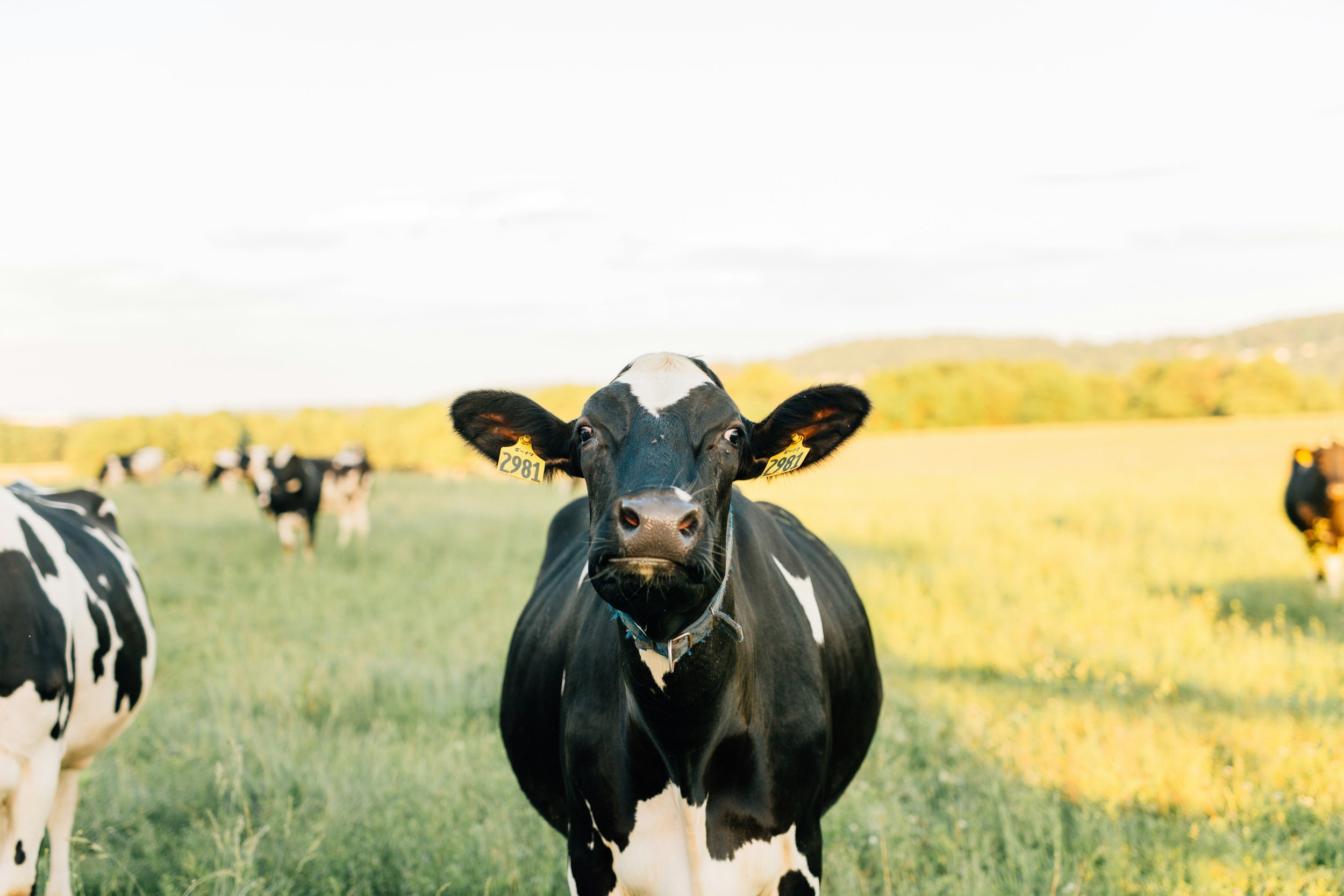
Photo by Kristyn Lapp
Understanding the difference between clinical and subclinical mastitis
Most farmers are familiar with clinical mastitis — the cases where the cow shows visible signs such as abnormal milk, a swollen udder or obvious discomfort.
However, subclinical mastitis can be harder to detect and may have an even greater impact across the herd.
These cows may appear healthy but have elevated somatic cell counts and reduced milk production. Over time, undetected cases can affect milk quality, increase bulk tank SCC and contribute to ongoing herd health issues.
Regular monitoring, accurate records and understanding herd trends are essential tools in identifying problems early.
Small details create big improvements
Mastitis prevention is rarely about one single action. Instead, it comes down to consistent management practices carried out correctly every day.
Milking routines, teat preparation, equipment maintenance, bedding management and cow cleanliness all play an important role.
A clean environment reduces the number of bacteria cows are exposed to, while a consistent milking process helps protect the teat canal — one of the cow’s natural defence mechanisms against infection.
Milking plant checks are also an important part of prevention. Incorrect vacuum levels, worn liners or poor equipment performance can increase the risk of teat damage and bacterial entry.
Using records to find patterns
Every mastitis case tells a story.
Recording when cases occur, which cows are affected, whether they are repeat cases and which stage of lactation they occur in can help identify where improvements can be made.
Are cases occurring mainly after calving? Are older cows more affected? Are there environmental patterns? Are particular groups of cows at higher risk?
The answers can help farmers move from reacting to mastitis cases towards preventing them.
Building a healthier herd for the future
Mastitis will likely remain one of the challenges dairy farmers manage, but the approach continues to evolve.
Better records, improved understanding of cow health and a focus on prevention are helping farmers reduce the impact of this costly disease.
Healthy udders mean healthier cows, improved milk quality and a more productive herd.
As the season progresses beyond calving, taking the time to review mastitis management now can pay dividends throughout the year.