There is something satisfying about watching an older cow confidently make her way into the dairy. She knows the routine, settles quickly into the herd and consistently delivers season after season. While younger cows often grab attention with their potential, it is the mature, trouble-free cows that quietly underpin the profitability of many New Zealand dairy farms.
With replacement costs continuing to climb and increasing pressure to improve efficiency, longevity is becoming one of the most valuable traits in a dairy herd. Every additional lactation a cow completes spreads the cost of rearing over more kilograms of milksolids, reducing the need for replacements while increasing the return on investment.
Reaching that point is no accident. Cows that remain productive into their eighth, ninth or even tenth lactation are usually the result of years of sound management rather than good luck.
It starts well before a heifer enters the milking herd.
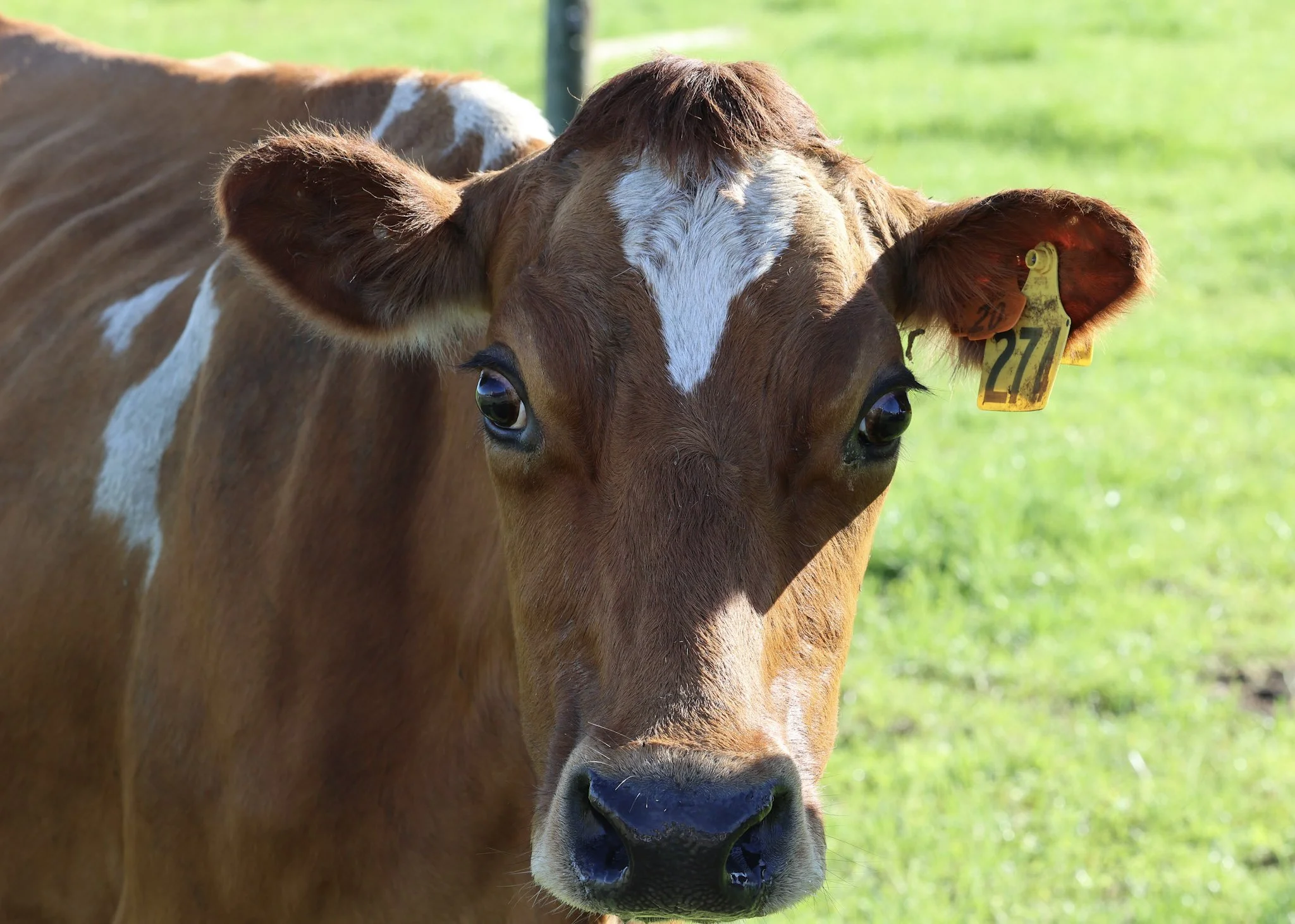
Photo by Dianna Malcolm
The foundations for longevity are laid during the young stock phase. Heifers that achieve target growth rates without becoming over-conditioned develop stronger skeletal structures and enter their first lactation better prepared for the physical demands ahead. Good nutrition during this period supports lifetime productivity, while poor growth can have lasting effects that are difficult to overcome later.
Once cows begin milking, consistency becomes one of the biggest contributors to a long productive life.
Seasonal fluctuations are part of farming in New Zealand, but dramatic changes in body condition can shorten a cow's productive lifespan. Animals that repeatedly lose excessive condition after calving often struggle with fertility, metabolic disorders and reduced immunity. Managing body condition throughout the year helps cows recover more quickly and prepares them for the next lactation.
The transition period remains one of the most critical stages in a cow's life. The three weeks before calving and the first three weeks afterwards place enormous demands on her metabolism. Nutritional management during this window has a direct impact on milk production, fertility and long-term health.
Cows that experience fewer metabolic problems early in lactation are more likely to remain productive over multiple seasons. Reducing the incidence of milk fever, ketosis and retained membranes not only improves immediate performance but also helps preserve future productivity.
Fertility is another cornerstone of longevity.
A cow that consistently returns in calf every season has far greater opportunities to remain in the herd than one requiring repeated interventions. Heat detection, appropriate mating decisions and maintaining body condition all contribute to reproductive success.
Genetics also deserve careful consideration. While production remains important, modern breeding programmes increasingly recognise the value of selecting animals for functional traits alongside milk yield. Fertility, udder conformation, feet and leg structure, temperament and overall resilience all contribute to cows remaining productive for longer.
Many farmers have discovered that chasing maximum production alone does not always deliver the greatest financial return. Balanced breeding decisions often produce cows that may not top production records every season but continue milking efficiently year after year.
Feet and legs are another area where longevity can be won or lost.
“The most profitable cow isn’t always the highest producer—it’s the one that keeps returning, calving and milking efficiently year after year.”
Pasture-based dairy systems require cows to walk considerable distances every day. Sound feet and strong leg structure allow animals to comfortably travel between paddocks and the dairy while maintaining grazing behaviour. Even minor lameness reduces feed intake, milk production and reproductive performance, while repeated episodes often result in premature culling.
Regular hoof inspections, prompt treatment and well-maintained races all play an important role in protecting mobility throughout a cow's lifetime.
Udder health also deserves constant attention. Clinical and subclinical mastitis can have lasting consequences that extend well beyond a single lactation. Maintaining high milking standards, ensuring equipment is correctly functioning and identifying infections early all help preserve udder integrity and production over many years.
Nutrition remains the fuel that supports everything else.
High-producing cows require balanced diets that meet changing nutritional demands throughout the season. Energy, protein, fibre and mineral balance all influence milk production, fertility and immune function. Equally important is ensuring cows have unrestricted access to clean water, particularly during warmer months when water intake increases dramatically.
Stress management is another often overlooked factor.
Cows thrive on routine. Minimising unnecessary handling, avoiding overcrowding and providing adequate space around feed and water encourages normal behaviour and reduces competition within the herd. Comfortable cows spend more time grazing and lying down, supporting rumination and milk production.
Perhaps one of the greatest shifts occurring within New Zealand dairy farming is the move away from measuring success solely by peak production.
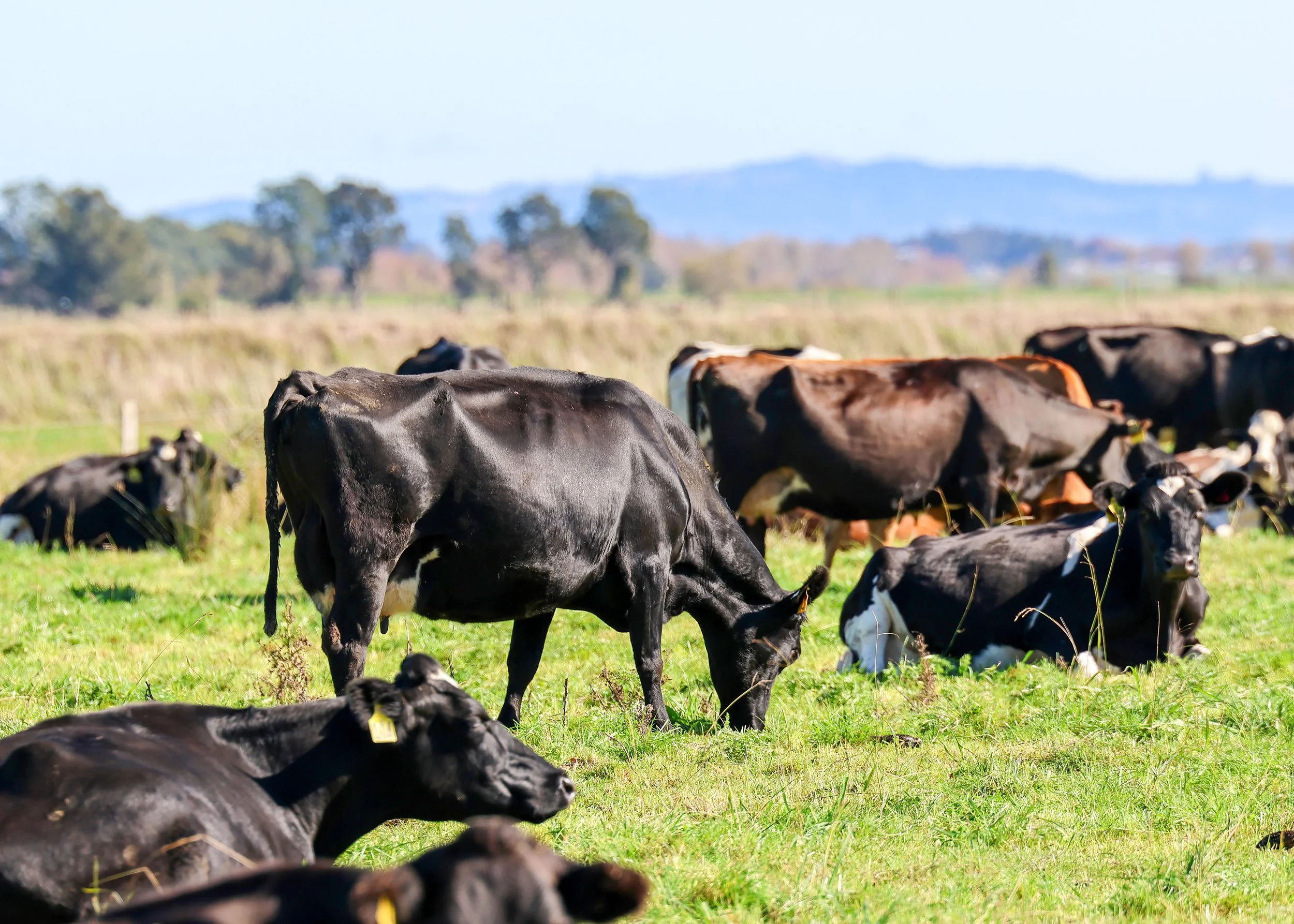
Photo by Dianna Malcolm
Today's profitable cow is expected to produce well, calve regularly, remain healthy and continue contributing to the herd for many seasons. Lifetime production has become a far more meaningful measure than a single exceptional lactation.
Every cow that completes an additional lactation reduces replacement pressure, lowers rearing costs and contributes valuable experience within the herd. These mature animals often require less day-to-day management, adapt readily to changing conditions and demonstrate the resilience that many breeding programmes now aim to achieve.
Keeping cows milking to a ripe old age is not about asking more from them. It is about giving them every opportunity to reach their genetic potential through thoughtful breeding, consistent management and a strong focus on health and welfare.
In the end, the cows that quietly walk into the dairy year after year often become the most profitable animals on the farm. Their longevity is not simply a reflection of age—it is evidence of generations of good decisions that continue paying dividends long after the first lactation has ended.