
Mastering heat detection

Welcome to Day 5 of our seven-day series looking at feed and nutrition management, herd health and reproduction on the dairy farm. Over the first four days, we have looked at making better use of feed, from silage quality and the protein puzzle, through to alternative forages and precision feeding technology. Today, we turn our attention to reproduction and one of the most important observations a dairy farmer can make: recognising when a cow is on heat.
Heat detection has always been part of dairy farming. Long before activity monitors, collars and computer dashboards, farmers were watching cows for changes in behaviour and looking for the tell-tale signs that indicated a cow was ready to cycle. Technology has added another layer of information, but it has not changed the fundamental principle. Someone still needs to understand the cow.
Good heat detection is about recognising changes, knowing when to look and using the information available to make timely breeding decisions.
Timing is everything
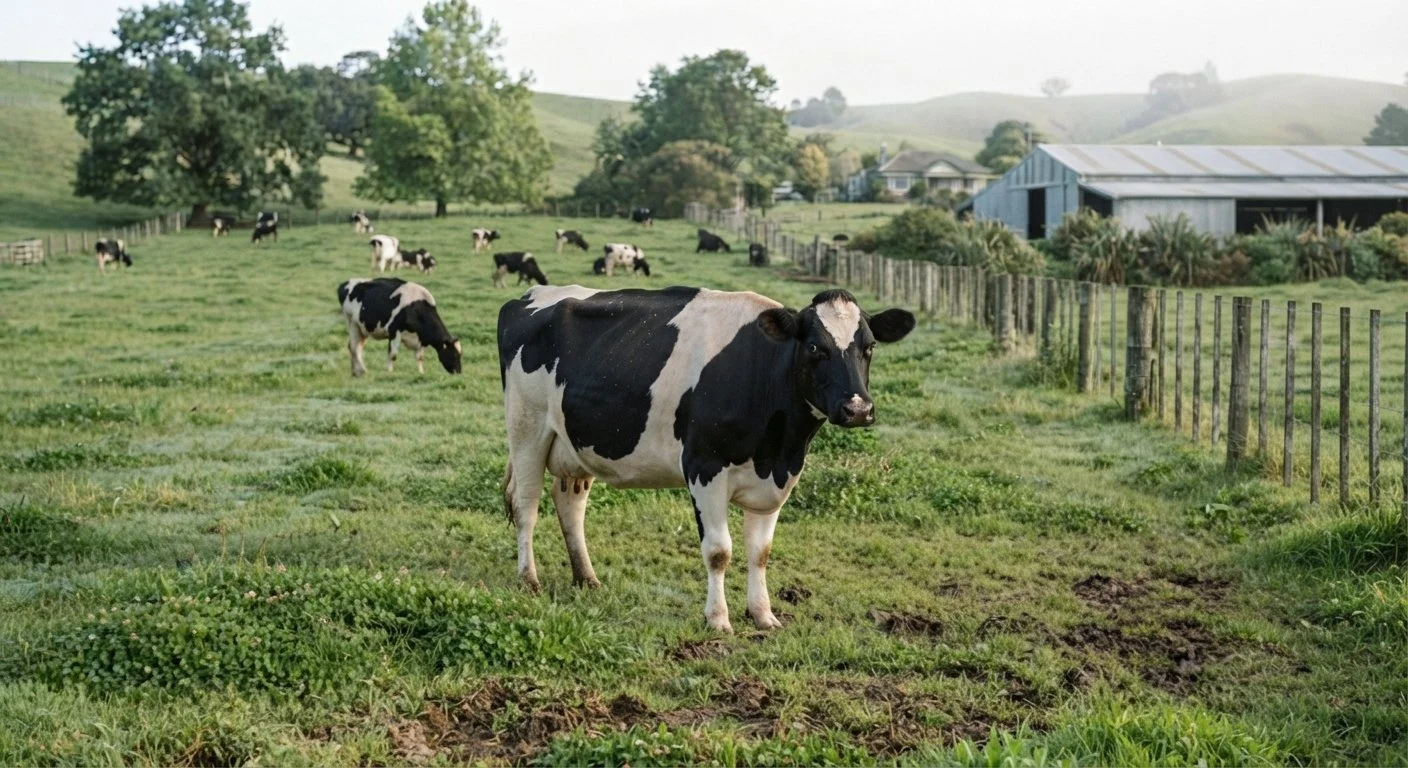
A cow does not wait until it is convenient for the farmer to come along before showing signs of heat. The signs can be relatively short-lived, and the most obvious behaviour may occur at times when nobody is watching.
This is one of the challenges of heat detection on a busy dairy farm. Milking, feeding, break allocation, calf work, maintenance and everything else that comes with running a farm can mean there are periods when cows are not being closely observed.
Missing a heat can mean missing an opportunity to breed at the appropriate time. Repeatedly missing heats can have a much greater impact because the breeding programme becomes less efficient and cows may take longer to become pregnant.
That makes heat detection much more than simply keeping an eye on the herd when it happens to be convenient.
“Good heat detection is not about watching cows all day. It is about knowing what to watch for and making sure someone is watching at the right times.”
Know what normal looks like
One of the most useful skills in heat detection is knowing how a cow normally behaves.
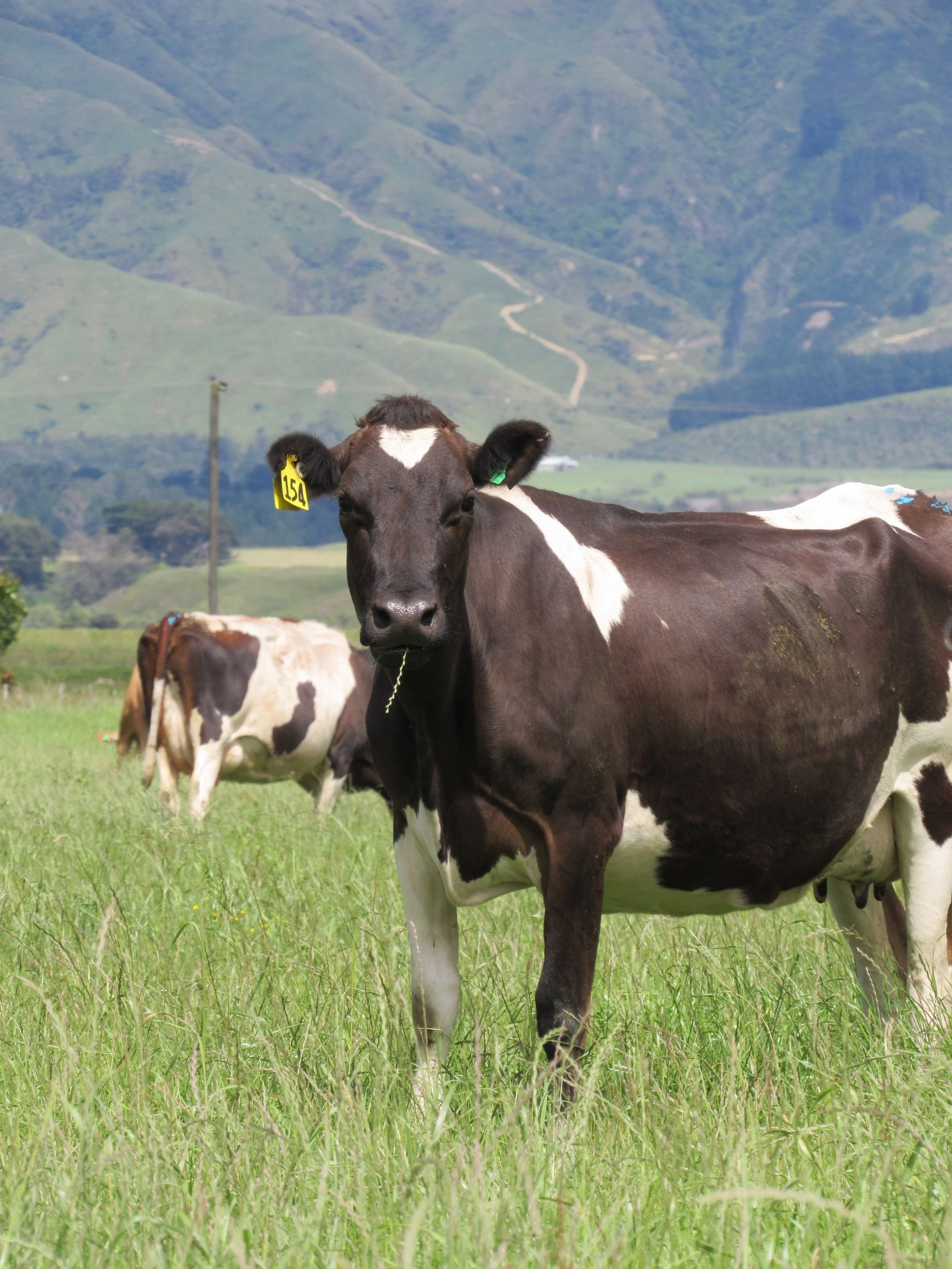
A cow on heat may become more restless, spend more time moving around, sniff other cows, attempt to mount other cows or stand to be mounted. She may appear more interested in what is happening around her and less settled than usual.
But cows do not all display the same signs with the same intensity.
Some cows can be obvious, while others are much more subtle. This is where knowing the herd can be a significant advantage.
A farmer who sees the same cows every day is often in a good position to recognise when one starts behaving differently. The challenge is making sure that observation is consistent enough to catch those changes.
Standing heat is an important clue
Among the various signs of oestrus, standing to be mounted is one of the more useful behavioural indicators.
The difficulty is that the farmer may not necessarily see it happen.
Cows may be more active during cooler parts of the day or at night, particularly during warmer weather. If heat detection relies entirely on someone seeing a cow standing to be mounted, some opportunities can inevitably be missed.
This is one reason why a combination of observations can be more useful than relying on a single sign.
Changes in activity, mounting behaviour, interaction with other cows, and general restlessness can all contribute to the picture.
The value of regular observation
Heat detection is more effective when it becomes part of the daily routine rather than an occasional task.
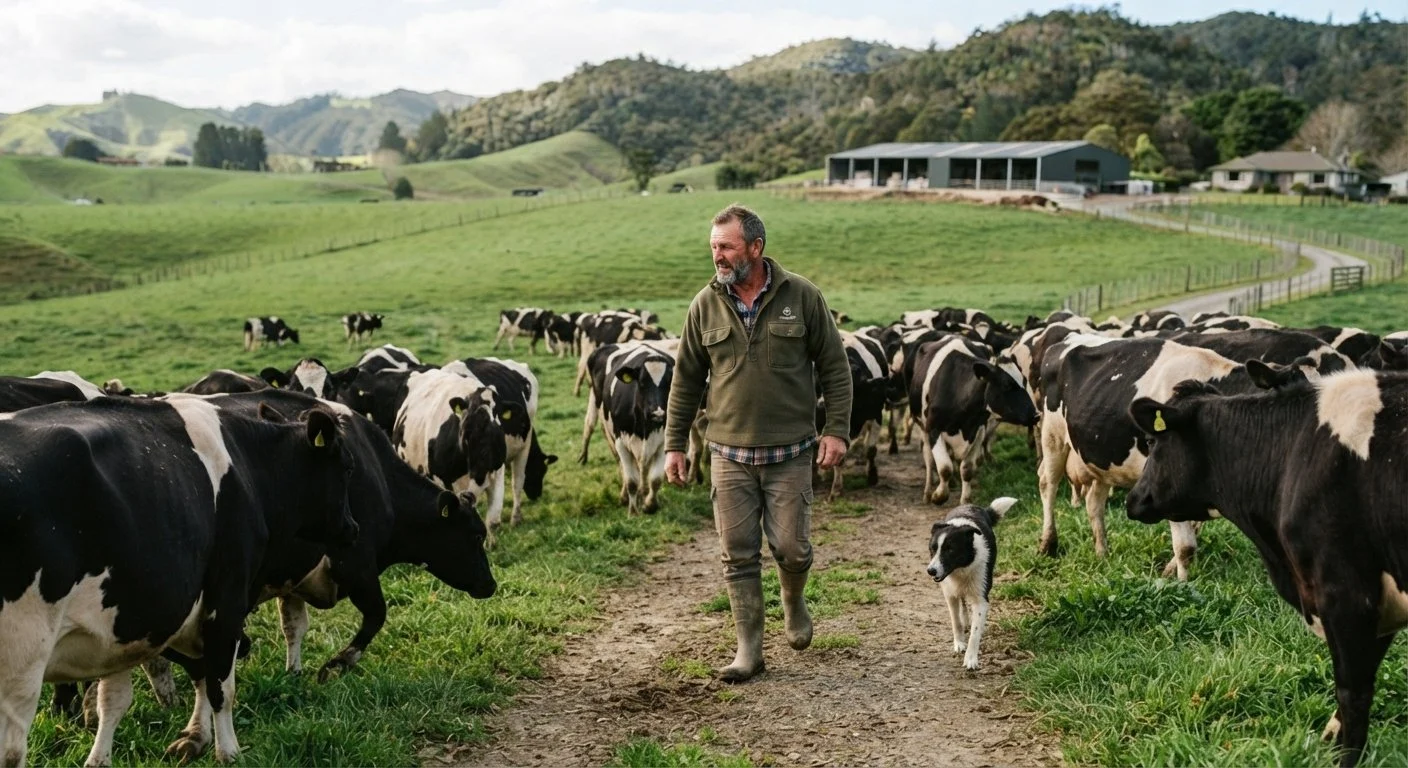
A quick glance across the herd is useful, but deliberate observation is different. Taking time to watch cows without rushing through the job allows behavioural changes to become more apparent.
Where possible, observing cows when they are likely to be active can be particularly useful. Farmers often develop their own routines around this, using opportunities before or after milking, during periods when cows are gathered or at other suitable times during the day.
The important thing is consistency.
A system that relies on one person remembering to check when they have time can become unreliable when the farm gets busy.
Activity monitors add another set of eyes
Technology has changed heat detection considerably. Activity monitors can track changes in a cow's movement and identify patterns that may indicate increased activity.
The advantage is that the system can monitor cows continuously rather than relying on a person being present at the exact moment a behavioural change occurs.
For large herds or farms where labour is limited, this can be particularly useful. A system can flag cows for attention so the farmer knows which animals may need to be checked more closely.
But an alert should be viewed as a prompt to investigate rather than an automatic breeding instruction.
The cow still needs to be considered in context.
Rumination tells another story
Some monitoring systems also track rumination behaviour. Changes in rumination can provide another piece of information about what is happening with an individual cow.
A change in rumination may occur for several reasons, so it should not automatically be interpreted as a heat event. However, when combined with activity information, production data and visual observation, it can help build a more complete picture.
This is where technology can be particularly useful. Instead of replacing observation, it can provide another set of clues that may otherwise be missed.
The more information available, the more important it becomes to understand what that information actually means.
Technology is not infallible
It is easy to assume that a computer-generated heat alert must be correct. Technology can certainly help identify cows that deserve attention, but no system should be treated as completely infallible.
A cow may become more active because she is uncomfortable, unsettled or responding to something happening in the group. Likewise, an individual cow may show relatively subtle behavioural changes that do not produce a strong alert.
That is why the best approach is generally to use technology alongside good stockmanship.
The machine can say, "Have a look at this cow." The farmer can then say, "What do I actually see?"
Weather can affect heat detection
Heat detection can become more challenging during periods of hot weather. Cow behaviour can change when temperatures rise, and cows may be less active during the hottest part of the day.
This can make the timing of observation particularly important.
If cows are more active during cooler periods, observing them early or later in the day may provide better opportunities to identify behavioural changes than simply looking during the middle of a hot afternoon.
Technology can be useful here because it does not stop monitoring when people are busy or conditions are uncomfortable.
The environment matters too
Cow comfort can influence behaviour, and the physical environment can affect how easily mounting activity is expressed and observed.
Slippery surfaces, overcrowding, poor footing or uncomfortable areas can discourage normal mounting behaviour and potentially make heat detection more difficult.
This is an important reminder that reproductive performance is not entirely about the reproduction programme itself.
The cows need an environment where normal behaviour can occur.
Good footing, suitable space and sensible cow flow can all contribute to making behavioural signs easier to recognise.
Don't forget the quiet cows
The most obvious cows are often the easiest to identify. The quieter cows are the ones that can test a heat detection system.
Some animals may show only subtle changes in behaviour, meaning there may be little opportunity for a farmer to spot a classic standing heat.
This is where technology can potentially add value by identifying changes that are not obvious to the human eye.
However, the opposite can also happen. A technology-generated alert may identify a cow that appears completely normal when inspected.
Neither situation means the technology or the farmer is necessarily wrong. It means heat detection is based on interpreting several pieces of information rather than relying on one signal.
Records help build the picture
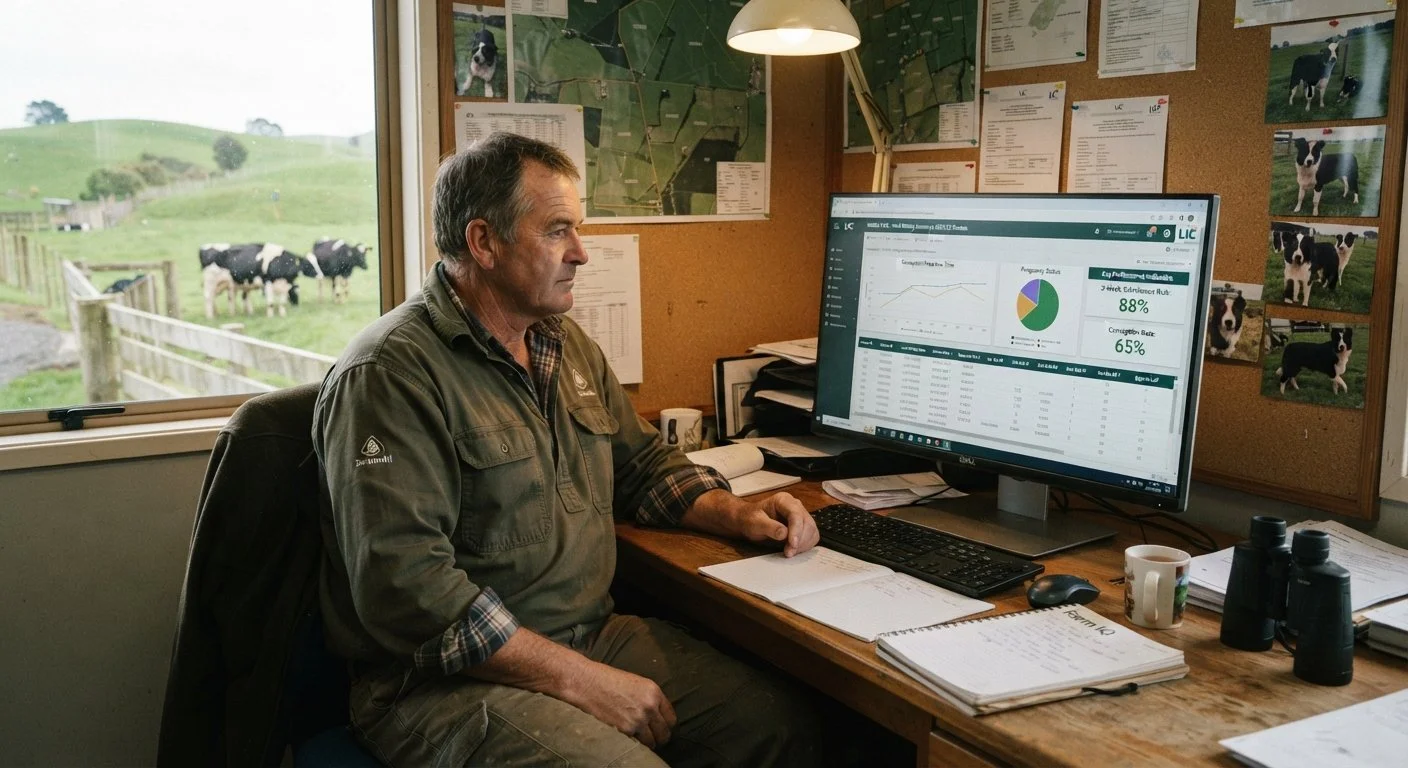
Good reproductive records are another important part of heat detection.
Knowing when a cow last calved, when she was previously observed on heat, whether she has been mated and where she sits within the herd's breeding programme provides useful context.
A heat alert on its own tells only part of the story. The cow's history can help determine whether the alert makes sense and what action may be appropriate.
This is another area where technology can make record keeping easier, provided the information is kept accurate and actually used.
People still make the decision
It is tempting to think that the future of heat detection will be completely automated. There is certainly plenty of technology available to assist, but the farmer remains an important part of the process.
A computer can identify a change in activity. It cannot walk out into the herd and assess the cow's overall condition in the same way a person can.
The farmer can consider whether she is eating normally, whether she appears comfortable, whether there are any signs of illness or lameness and whether her behaviour fits with her reproductive history.
That broader observation is valuable.
Matching the system to the farm
There is no requirement for every dairy farm to use the same heat detection system.
For some farms, experienced staff and consistent visual observation may provide a practical solution. For others, activity monitoring may offer valuable support, particularly where herd size or labour availability makes continuous observation difficult.
Some farms may use both.
The right approach depends on the individual farming system, the size of the herd, available labour, existing technology and the value the farmer places on additional information.
The important thing is to have a system that is reliable enough to identify cows in time to make useful breeding decisions.
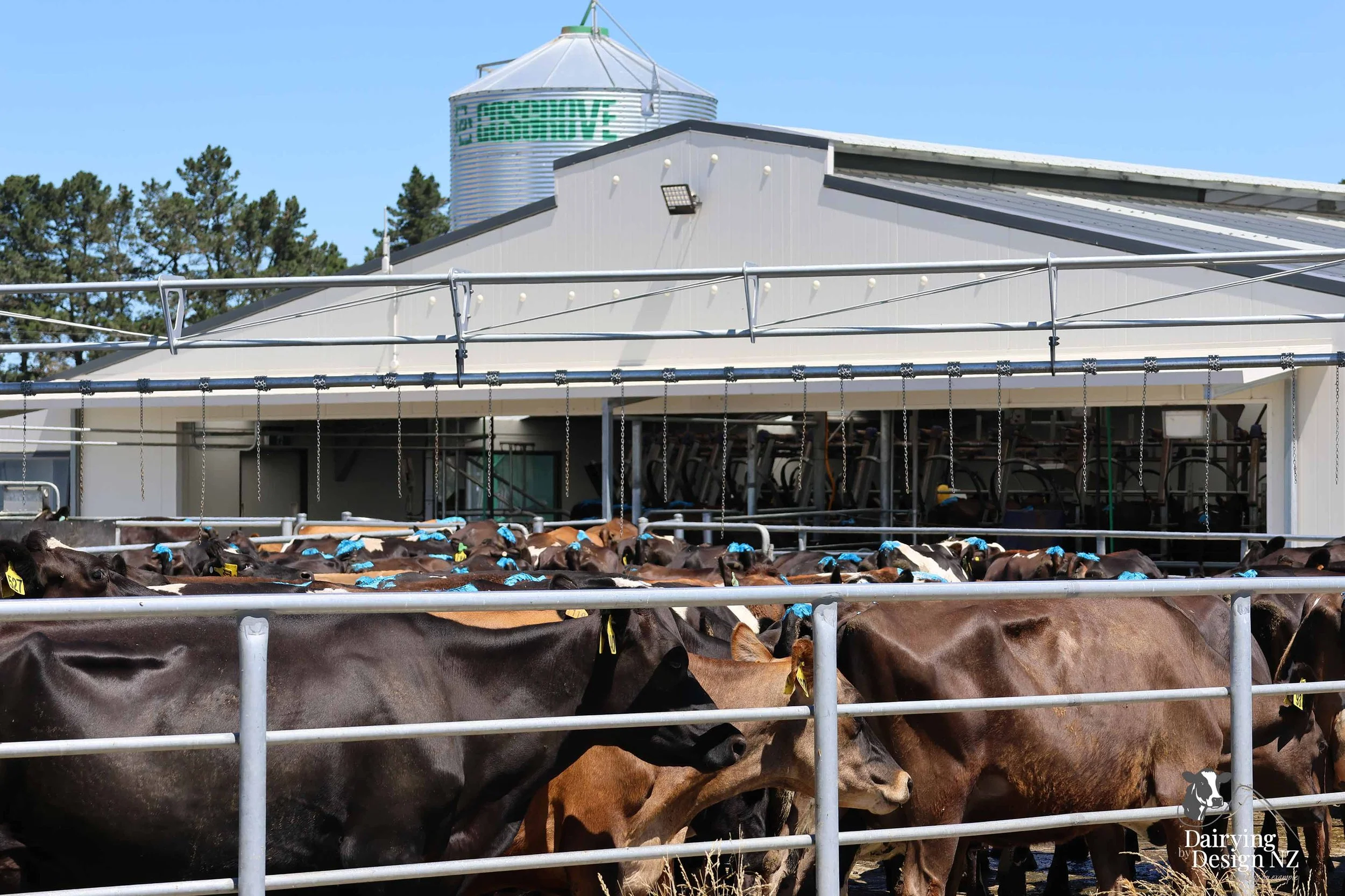
Photo by Dianna Malcolm
Better detection starts with better observation
Technology can certainly make heat detection more sophisticated, but the fundamentals have not changed.
Know your cows. Know their normal behaviour. Know the reproductive history of the herd. Make observation part of the daily routine and use technology as another source of information where it adds value.
The goal is not to collect the biggest number of alerts or install the most expensive monitoring system. It is to identify cows at the right time and make sound breeding decisions.
A farmer who understands the herd and uses technology intelligently has more information available than either approach could provide on its own.
Heat detection works best when visual observation and technology are treated as complementary rather than competing approaches. Learn the behavioural signs of heat, establish regular observation routines and pay particular attention to cows that behave differently from normal.
Activity and rumination monitoring can provide valuable additional information, particularly when cows are showing subtle signs or when labour makes frequent visual observation difficult. However, alerts should be treated as prompts to investigate rather than automatic confirmation that a cow is ready for breeding.
Keep reproductive records accurate and consider each cow in context. Her calving date, previous heats, breeding history, production, behaviour and general health can all help build a more complete picture.
Ultimately, the best heat detection system is one that fits the farm and consistently gives the people managing the herd the information they need to act at the right time.
Tomorrow, Day 6 of our seven-day series will look at digital dermatitis and the practical steps dairy farmers can take to manage foot health, footbaths and biosecurity before a small foot problem becomes a much bigger herd issue. See you tomorrow.