Precision feeding technologies

Welcome to Day 4 of our seven-day series looking at feed and nutrition management, herd health and reproduction on the dairy farm. So far, we have looked at making the most of silage, the protein puzzle and considering alternative forage options when pasture alone may not provide everything the herd needs. Today, we are looking at where technology fits into the feeding system and how data and automation can help farmers make more informed decisions about what individual groups of cows are eating.
Precision feeding can sound like something designed for a futuristic dairy farm filled with screens, sensors and machines doing everything except milking the cows. In reality, the principle is much simpler. It is about trying to provide the right amount of the right feed to the right cows at the right time, while reducing waste and making better use of the information already being collected on the farm.
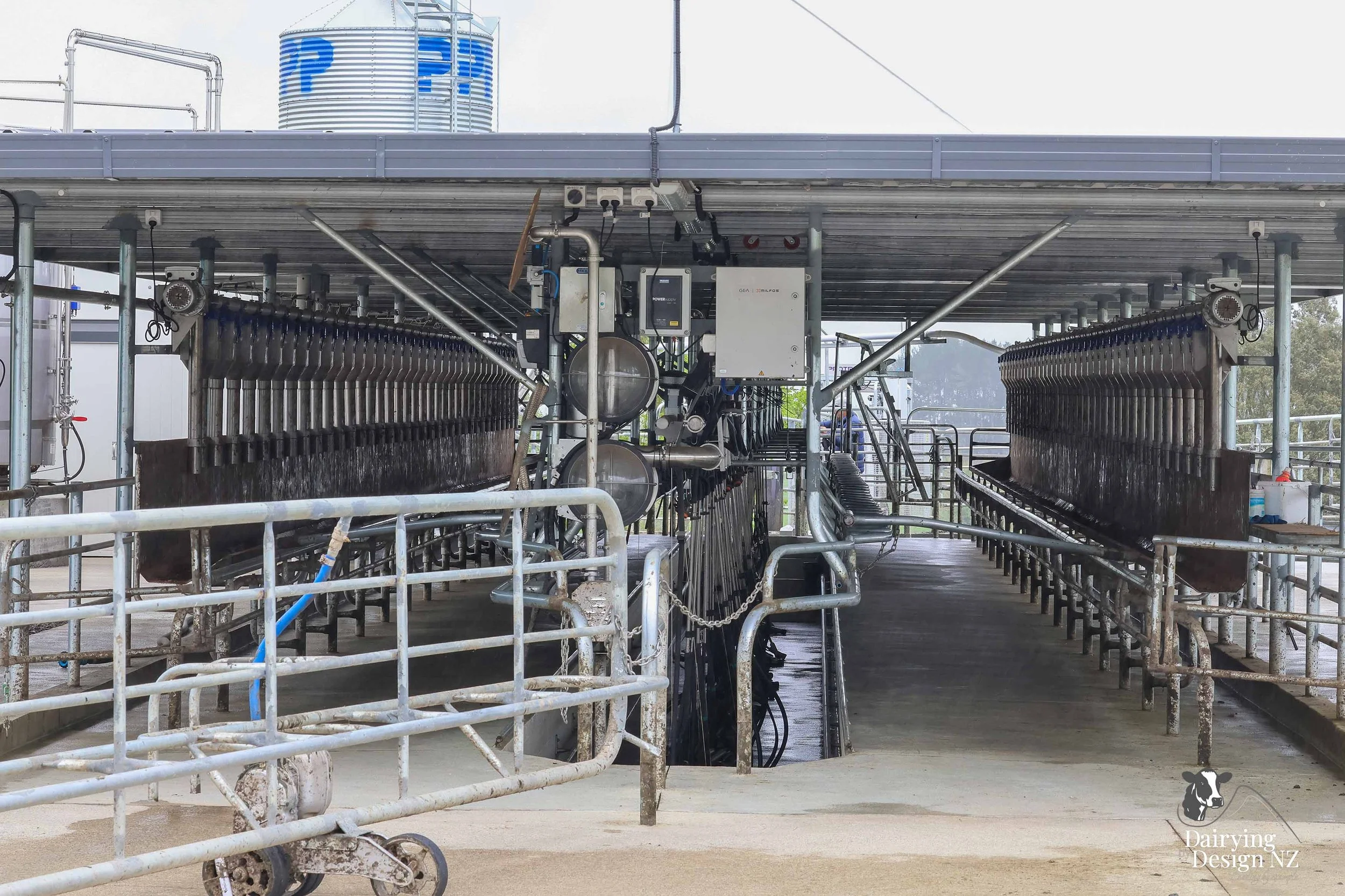
Photo by Dianna Malcolm
One ration does not suit every cow
A dairy herd may look like one group from the outside, but nutritionally it is made up of cows with very different requirements. A freshly calved high-producing cow is not in the same nutritional position as a cow approaching the end of lactation. A heifer entering the milking herd has different requirements again.
Traditionally, feeding systems have often worked around practical groupings, with cows divided according to stage of lactation, production or management requirements. Precision feeding technology can take that concept further by allowing farmers to use more information when deciding how those groups should be fed.
The objective is not necessarily to create a different ration for every cow. That could quickly become impractical. Instead, technology can help identify meaningful differences within the herd and allow feeding decisions to be made with greater accuracy.
“Precision feeding is not about feeding every cow differently. It is about knowing where differences matter.”
Data can tell a bigger story
Modern dairy farms can generate a considerable amount of information. Production records, liveweight information, activity data, rumination measurements and feed records can all contribute to a picture of how cows are performing.
The challenge is turning that information into something useful.
Data on its own does not improve a ration. It becomes valuable when it helps the farmer identify a trend, question an assumption or make a better management decision.
For example, if a group of cows is receiving a ration designed around a particular level of production but their actual performance and intake suggest something different, the information may prompt a closer look at the feeding programme.
Likewise, if cows are not performing as expected, production data can be considered alongside body condition, pasture availability, forage quality and general health rather than immediately assuming the problem is simply a lack of feed.
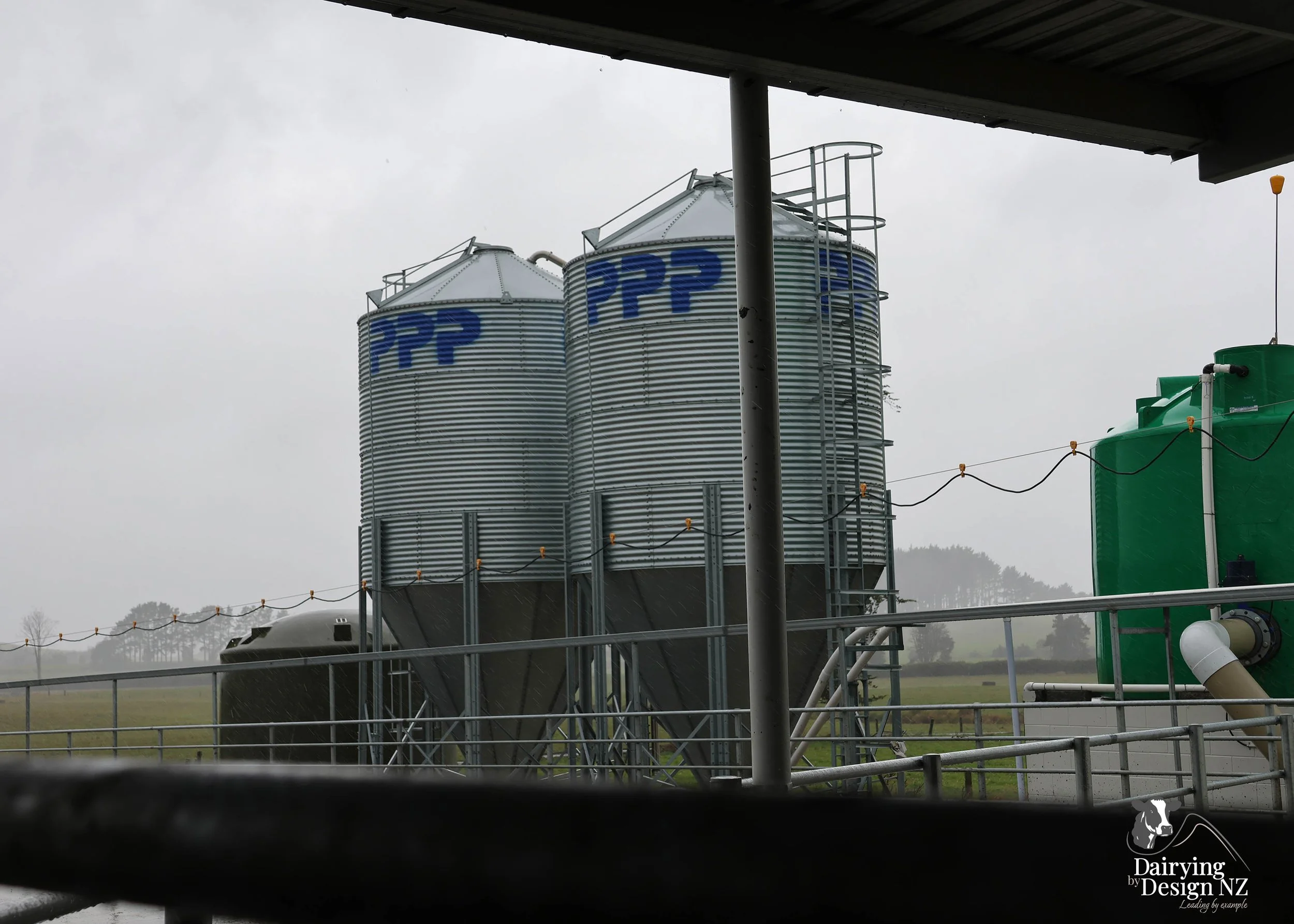
Photo by Dianna Malcolm
Automated feeding systems
Automated feeding systems are one of the more visible developments in precision feeding. Depending on the system, automation can assist with weighing ingredients, mixing rations, delivering feed and keeping feeding schedules consistent.
For a farm with a significant feeding operation, reducing the amount of manual work involved can be attractive. Consistency is another potential benefit. If ingredients are measured accurately and the ration is mixed and delivered according to a set programme, there may be less variation from one feeding to the next.
That does not mean the farmer can walk away and let the machine take over.
Feed ingredients still need to be monitored, equipment needs maintenance and cows still need to be observed. A machine can accurately deliver a poorly designed ration just as efficiently as it can deliver a good one.
Accuracy can reduce waste
One of the potential benefits of precision feeding is improved accuracy in how feed is allocated.
Overfeeding expensive ingredients can add unnecessary cost, while underfeeding can limit production or affect cow performance. Neither is particularly helpful when feed prices are under pressure.
Accurate weighing and mixing can help keep the ration closer to what was intended. This becomes particularly useful where multiple ingredients are being used or where several groups of cows have different feeding requirements.
The value of that accuracy needs to be considered against the cost of the technology, however. A system may save feed and labour, but those savings need to be large enough to justify the investment and ongoing maintenance.
Different cows, different jobs
Grouping cows according to nutritional requirements has always been part of good herd management, but technology can potentially make those decisions more precise.
A high-producing group may require a different nutritional approach from cows further through lactation. Dry cows and transition cows have their own requirements, while young stock need a feeding programme designed around growth rather than milk production.
The more accurately a farm can identify these groups, the easier it becomes to avoid feeding the whole herd according to the needs of the highest-demand animals.
That can be an important consideration because feeding every cow as though she were the highest-producing animal can become an expensive way of managing a herd.
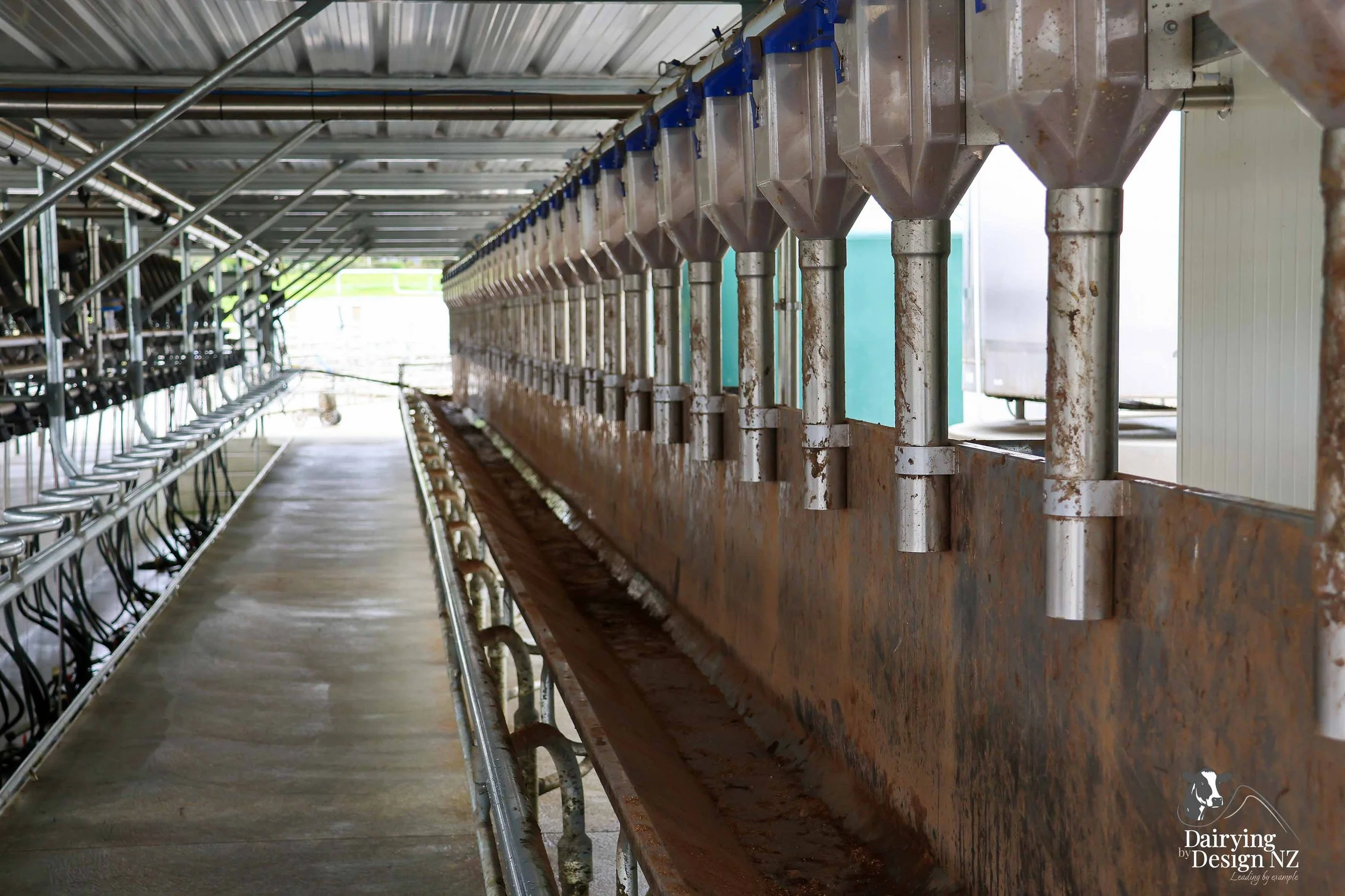
Photo by Dianna Malcolm
Feed intake is harder to measure
Milk production is relatively easy to record. Feed intake is more difficult.
A farmer can measure what goes into a feed bin or onto a feedpad, but determining exactly how much every individual cow consumes is another matter.
This is one area where precision technology continues to develop. Systems that monitor feeding behaviour, visits to feeding areas or individual animal activity can potentially provide additional information about intake and behaviour.
The more information available, the greater the opportunity to identify cows behaving differently from the group.
But again, the information needs context. A change in feeding behaviour could have several explanations. Technology may highlight the change, but the farmer still needs to work out why it is happening.
Technology should support observation
One of the risks of becoming heavily reliant on data is forgetting the value of looking at the cows.
Experienced dairy farmers can often notice small changes in a cow's behaviour, appetite, appearance or movement before those changes become obvious in a spreadsheet.
Technology can complement that observation rather than replace it.
A feeding alert, production change or activity measurement can provide another reason to investigate a cow or group. The farmer can then combine that information with what is actually happening in the paddock, shed or feed area.
The most useful technology is often the technology that helps people see something they might otherwise have missed.
Is precision feeding worth the investment?
There is no universal answer. What makes financial sense for one dairy farm may not make sense for another.
The size of the herd, feeding system, labour availability, amount of supplementary feeding, existing infrastructure and cost of the technology all need to be considered.
A system that saves a significant amount of labour on a large operation may have a very different payback from the same system installed on a smaller pasture-based farm.
Farmers should also consider the ongoing costs rather than focusing only on the initial purchase price. Software subscriptions, servicing, replacement parts, calibration and training can all become part of the long-term cost.
Start with the problem
Perhaps the most important rule when considering new feeding technology is to start with the problem rather than the machine.
If the issue is inconsistent ration mixing, look at technology that improves mixing accuracy. If labour is the limiting factor, investigate whether automation can remove repetitive work. If the challenge is understanding which cows are underperforming, look at systems that provide useful individual animal information.
Buying technology simply because it is available can create another layer of complexity without solving anything.
The best investment is generally the one that addresses a genuine farm problem and produces information or efficiencies that can actually be used.
Don't drown in data
More information is not automatically better information.
A dairy farmer can quickly end up with screens, graphs, alerts and reports coming from multiple systems. If the information is not being used to make decisions, it becomes another job rather than a management tool.
This is why simplicity matters.
A useful system should make it easier to understand what is happening in the herd rather than requiring the farmer to spend hours interpreting information before making a decision.
The question should always be: what will we do differently because we have this information?
If the answer is unclear, it is worth questioning whether the information is genuinely useful.
The human factor still matters
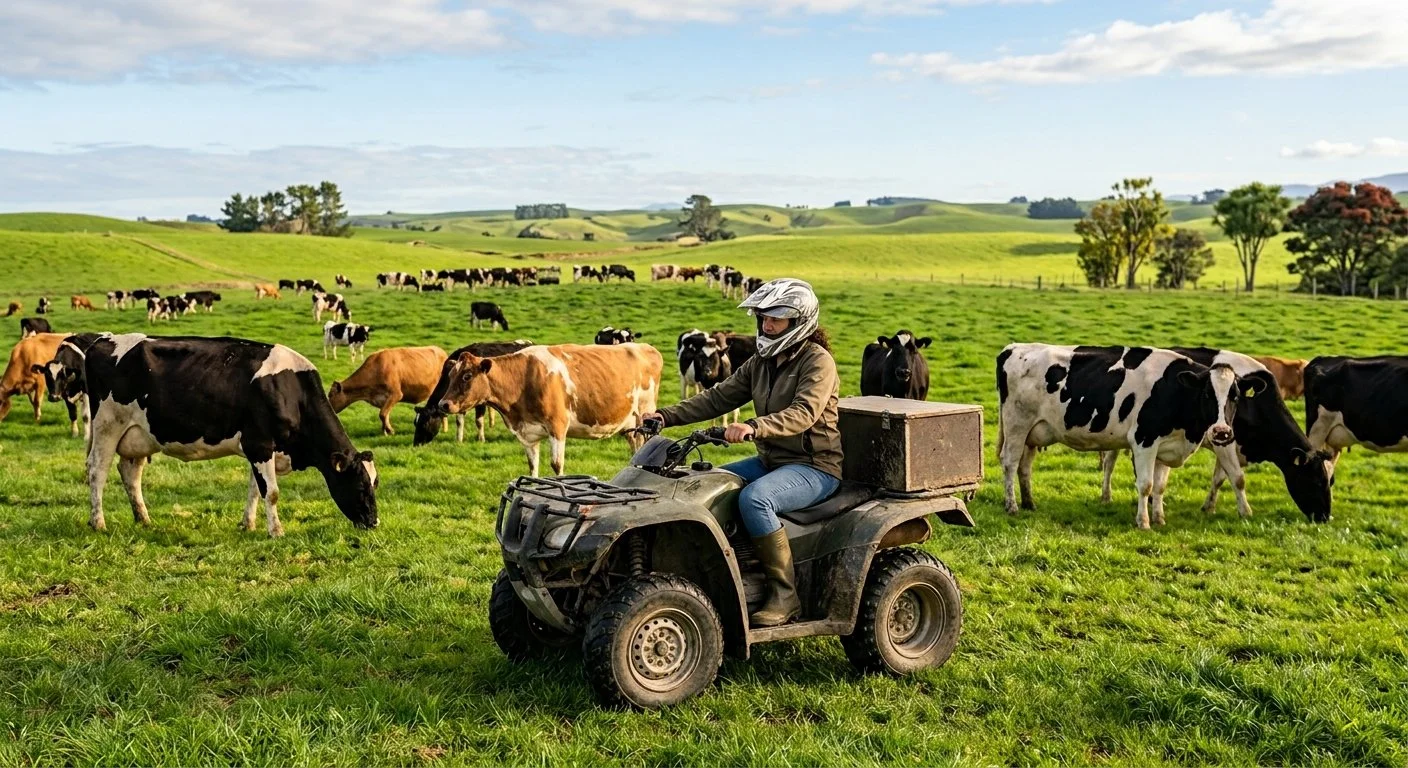
Even highly automated feeding systems rely on people. Someone has to maintain the machinery, check ingredients, monitor the ration and respond when something does not look right.
Technology can improve consistency, but it cannot replace judgement.
The farmer still needs to understand the cows, the feed and the production system. Without that knowledge, sophisticated technology can become a very expensive way of collecting information.
On the other hand, when technology is placed in the hands of someone who understands what the numbers mean, it can become a powerful management tool.
Precision feeding is about efficiency
At its heart, precision feeding is about efficiency. It is about making better use of every kilogram of feed and every hour of labour while providing cows with nutrition appropriate to their requirements.
That could mean an automated feeding system weighing ingredients to improve consistency. It could mean using production data to identify different feeding groups. It could be as simple as monitoring feed wastage more carefully and adjusting allocations based on what the cows are actually eating.
Not every farm needs the latest technology to achieve better precision.
Sometimes the first step is simply measuring what is already happening.
Start small and build from there
For farmers considering precision feeding technology, there can be value in starting with one specific area rather than attempting to automate the entire feeding operation.
Improving weighing accuracy, monitoring feed usage or using existing production information more effectively may provide useful lessons before a larger investment is made.
Technology should fit the farming system rather than forcing the farming system to fit the technology.
That is particularly important in New Zealand, where dairy systems can vary considerably between farms. A feeding system designed around a high level of supplementary feed may look very different from one based predominantly on pasture.
There is no prize for having the most technology. The objective is to have the technology that genuinely improves the way the farm operates.
The future is likely to be more connected
As technology continues to develop, feeding information is likely to become increasingly connected with other areas of dairy management.
Production, body condition, activity, health, reproduction and feeding information can potentially be considered together rather than as separate pieces of the puzzle.
That could allow farmers to identify changes earlier and make more targeted management decisions.
But even as the technology becomes more sophisticated, the basic principle remains remarkably simple: understand what the cows need, know what they are receiving and measure whether the feeding system is delivering the expected result.
Precision feeding does not mean every cow needs an individual ration. It means using information to understand where differences between cows or groups matter and adjusting the feeding system accordingly.
Before investing in technology, identify the problem you want it to solve. Consider the potential savings in feed, labour and waste alongside the purchase price, ongoing costs and the time required to manage the system.
Most importantly, use technology to support good stockmanship rather than replace it. Data can highlight a change, an automated system can deliver a ration accurately and a sensor can produce an alert, but someone still needs to understand what is happening and decide what to do next.
The smartest feeding system may not be the one with the most technology. It may simply be the one that gives the farmer better information and makes the daily job of feeding cows more consistent, efficient and manageable.
Tomorrow, Day 5 of our seven-day series will move from feed management into herd health, looking at heat detection and the different ways farmers can identify cows that are ready to cycle and breed. See you tomorrow.