The economics of sexed semen

Welcome to Day 7, the final day of our seven-day. To finish the series, we are looking at a decision that increasingly sits at the intersection of reproduction, herd improvement and farm economics: when to use sexed semen and when beef genetics may make more sense.
For many dairy farmers, semen selection used to be a relatively straightforward decision. The objective was to get cows in calf, produce replacement heifers and keep the herd moving forward.
Today, there are considerably more options.
Sexed semen can increase the opportunity to produce dairy heifer calves from selected cows, while beef semen can provide an alternative for cows that are less likely to contribute replacements to the herd. Used strategically, the two can form part of a wider breeding plan rather than being viewed as competing choices.
The important word is strategically.
Every mating has a job
Not every cow needs to produce a replacement heifer.
That may sound obvious, but it is an important starting point when considering the economics of sexed semen. If the farm needs a certain number of dairy replacements, using sexed semen across cows that are well suited to produce those replacements can be one way of concentrating the opportunity where it is most valuable.
Other cows may have less value as potential dams of replacements. They might be later in their productive life, have traits the farmer does not want to multiply through the herd, or simply be cows where producing a dairy heifer is less important.
Those cows may have a different breeding objective.
“The most valuable mating is not necessarily the one that produces a dairy heifer. It is the one that produces the calf the farm actually needs.”
Start with replacement requirements
Before looking at semen types, it makes sense to understand how many replacement heifers the farm actually needs.
Producing more dairy heifers than the business can use does not automatically create more value. There are costs involved in rearing young stock, including feed, land, labour, animal health and infrastructure.
If the farm already has enough replacements coming through, the economic value of producing another dairy heifer may be quite different from a situation where replacement numbers are tight.
This is where the breeding plan needs to connect with the whole farm system.
The number of cows in the herd, replacement rate, age structure, culling policy, young-stock costs and future herd numbers all influence how many heifers are required.

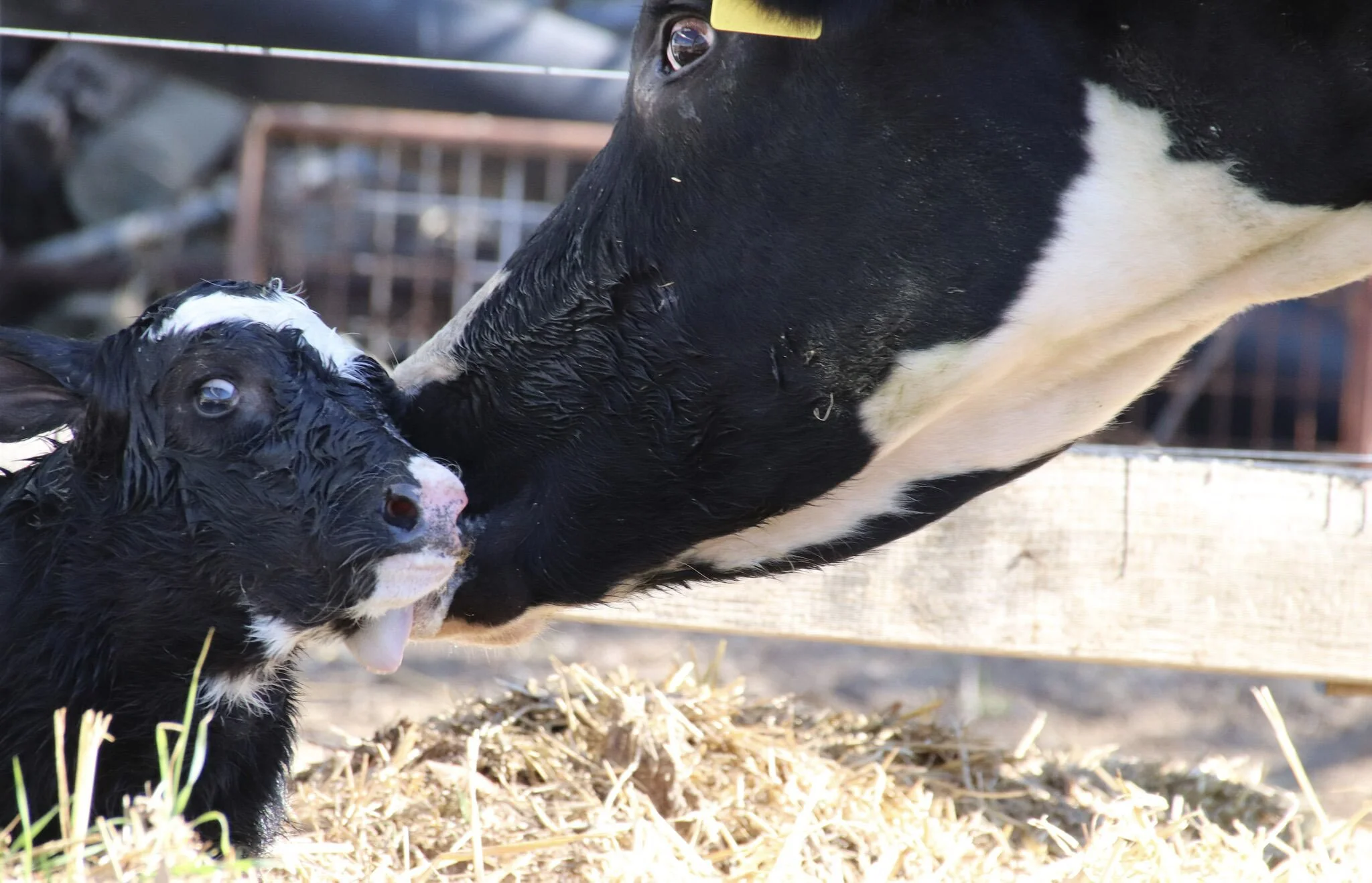
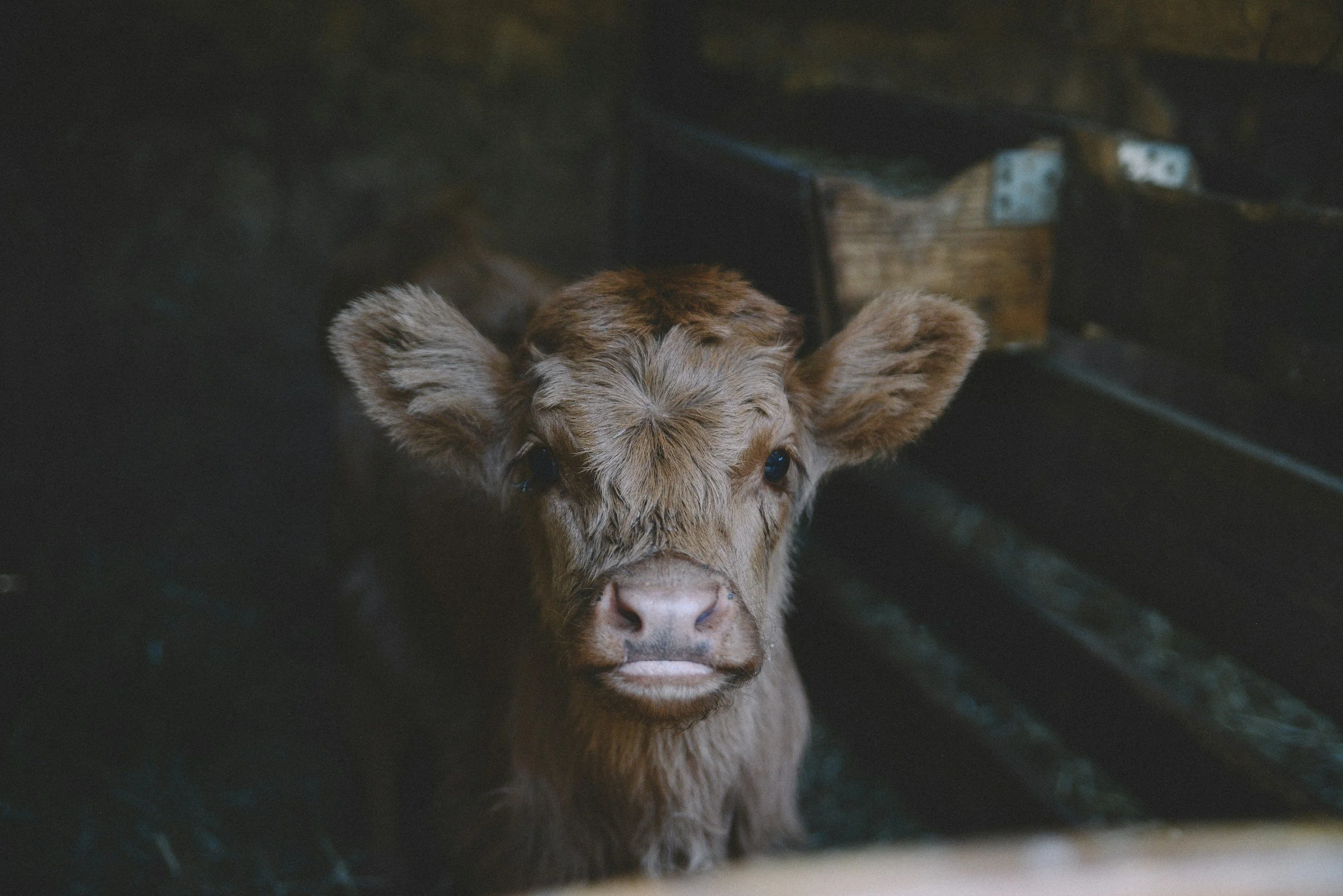
Image courtesy of LIC
Where sexed semen fits
Sexed semen can increase the likelihood of producing a calf of the desired sex compared with conventional unsexed semen, although it is not a guarantee.
It can therefore be useful when the objective is to generate dairy replacements from selected cows.
However, the economics cannot be based simply on the value of a heifer calf compared with the cost of a straw.
There are other considerations, including conception performance, the cow being inseminated, the timing of mating and what happens if the mating does not result in a pregnancy.
A cheaper straw that results in a lower chance of conception may not necessarily be the cheaper mating once the whole reproductive programme is considered.
Cow selection matters
Sexed semen does not need to be an all-herd decision.
One of the advantages of having more breeding options is that farmers can potentially be more selective about which cows receive which type of semen.
Cows with desirable genetic traits, good reproductive performance, soundness and the characteristics the farmer wants to retain in the herd may be considered for dairy sexed semen.
The exact selection criteria will vary between farms because the definition of a valuable replacement cow is not identical everywhere.
The key is to make the decision before mating rather than simply reaching for whatever semen is available on the day.
Beef genetics can fill another role
Once the farm has identified which cows are suitable candidates for producing dairy replacements, the remaining cows may provide an opportunity to produce calves with a different purpose.
This is where beef genetics can fit into the programme.
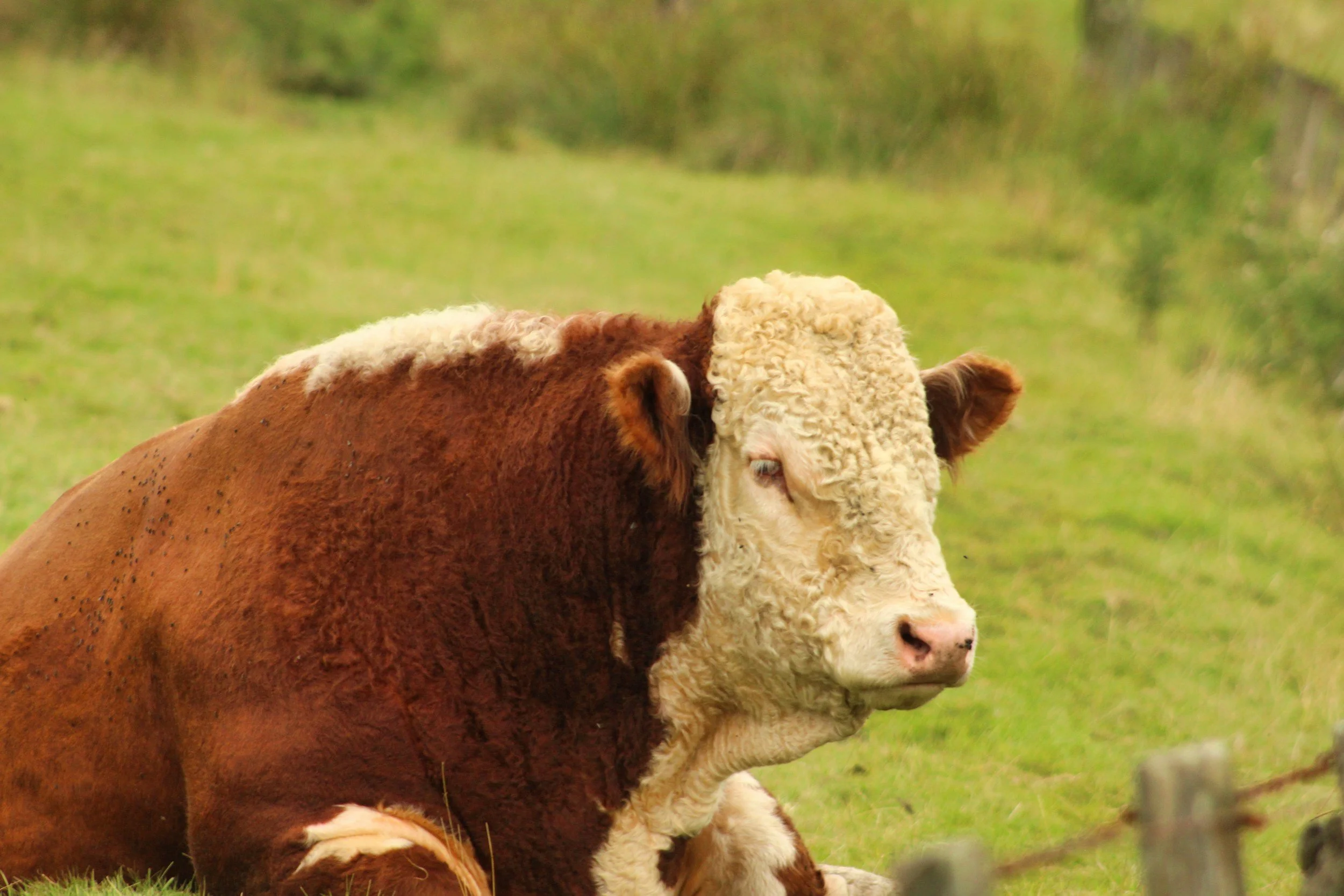
Using beef semen over selected dairy cows can produce calves that may have greater value for beef production than straight dairy-cross calves, depending on the genetics used and the market they are entering.
Again, there is no universal answer.
The value of the resulting calf depends on genetics, market demand, calf quality, management and the costs associated with getting that calf to sale.
But the principle is straightforward: if a cow is not required to produce a dairy replacement, there may be an opportunity to give her mating a different job.
The cost of a replacement is bigger than the calf
It is easy to look at the value of a dairy heifer calf and forget what happens after she is born.
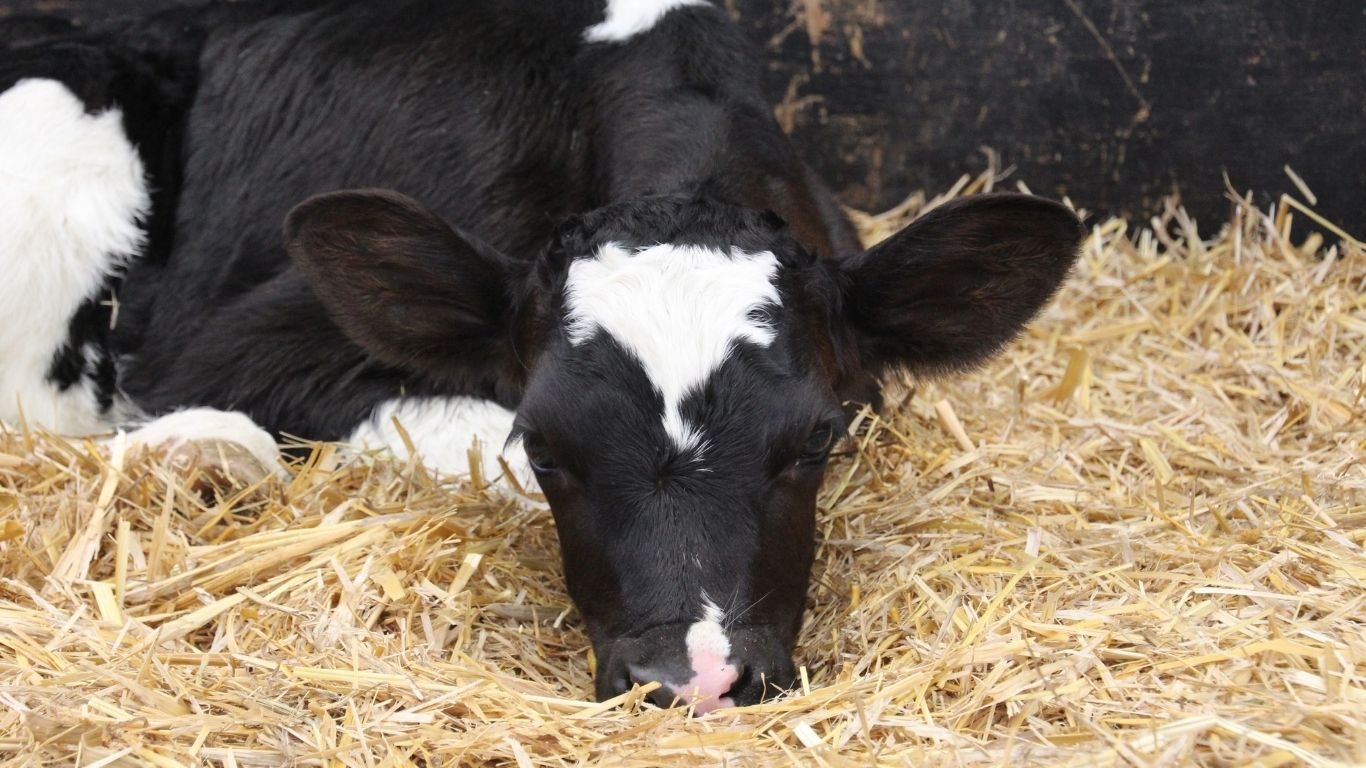
A replacement heifer requires feed, labour, housing or grazing, animal health management and land until she enters the milking herd.
There is also a time cost. The farm carries the cost of raising her for a considerable period before she contributes milk income.
That means the economic value of producing a replacement needs to be considered alongside the cost of raising her.
For some farms, generating replacements internally may fit very well with the system. For others, the calculation may look different.
The important thing is to know the farm's own numbers.
More replacements are not always better
There can be a tendency to think that producing more heifers automatically gives the farm greater flexibility.
But every additional animal has a cost.
If the farm produces more replacements than it needs, those animals still need to be reared. If they are sold, the sale value needs to be compared with the cost of getting them to that point.
This is why the breeding programme should be linked to the farm's actual replacement requirement rather than simply maximising the number of heifer calves.
The goal is not to produce the most heifers possible.
It is to produce enough of the right heifers at a sensible cost.
Conception risk has a value
Semen price is visible. The cost of a missed mating is sometimes less obvious.
If a cow fails to conceive, there can be additional costs associated with another mating, extra days in milk, a longer calving interval and potentially changes to her eventual culling decision.
That does not mean sexed semen should automatically be avoided because it costs more. It means conception performance needs to form part of the economic calculation.
The value of a successful pregnancy can be quite different from the price printed against a straw.
This is particularly important when comparing breeding strategies across different classes of cows.
Don't forget the beef calf
A well-planned mating programme can potentially reduce the number of unwanted dairy replacements while increasing the proportion of calves with a defined purpose.
Where beef genetics are used, the choice of sire matters.
Farmers need to consider traits that affect the resulting calf and how those calves fit the intended market. Calving ease is also an important consideration, particularly when selecting sires for dairy cows.
A mating that looks attractive on paper is not particularly useful if it creates avoidable calving difficulties or produces calves that do not suit the farm's management system.
The breeding plan should come before the semen
One of the easiest ways to complicate a breeding programme is to start with the catalogue rather than the cows.
There are plenty of genetic options available, and it is easy to become distracted by individual sires, indexes and attractive-looking numbers.
A more useful approach is to start by deciding what the herd needs.
How many replacements are required? Which cows are suitable to produce them? Which cows could be mated to beef? What traits need to be improved? What calving characteristics are important? What sort of cow does the farm want to be milking several years from now?
Once those questions have been answered, semen selection becomes part of the plan rather than the plan itself.
Genetics are a long-term decision
A mating decision lasts considerably longer than the breeding season.
A calf born this year may eventually become part of the milking herd and contribute to the herd's genetics for years. That makes genetic selection worth considering beyond the immediate value of the calf.
If sexed semen is being used to generate replacements, the selection of the cows and sires becomes particularly important because those matings are effectively choosing the next generation.
This is where breeding objectives matter.
A farm should have a clear idea of the type of cow it wants to keep producing, rather than simply selecting replacements because they happen to be available.
The economics are farm specific
There is no single formula that will tell every New Zealand dairy farmer exactly how much sexed semen or beef semen to use.
Milk price, replacement costs, calf values, herd reproductive performance, young-stock costs, land availability, herd size and breeding objectives can all change the calculation.
A farm with limited young-stock facilities may place a different value on producing replacements from carefully selected cows than a farm with plenty of rearing capacity.
Likewise, a farm with strong demand for quality beef-cross calves may see a different opportunity in its non-replacement matings.
The important thing is to put the numbers around the individual system.
Use records to refine the programme
The breeding programme should not be something that is set once and forgotten.
Reproductive performance, conception results, replacement numbers, culling reasons and calf values can all provide information that helps refine future decisions.
If the farm consistently produces more heifers than required, the mating strategy may need adjusting.
If replacement numbers are falling short, the proportion of suitable cows receiving dairy semen may need to change.
If beef-cross calves are performing well in the market, that may influence future mating decisions too.
Good records turn breeding from a yearly routine into an ongoing management process.
The value is in using the options together
Sexed semen and beef genetics do not have to be an either-or decision.
They can be used together as part of a more targeted breeding programme.
The cows most suited to producing replacements can be considered for dairy semen, potentially including sexed semen where the economics and reproductive performance stack up. Other cows can be considered for beef genetics, provided the mating is appropriate for the cow and the intended outcome.
That creates a more deliberate system in which different cows have different breeding jobs.
It also means the farm is not relying on every mating to achieve exactly the same outcome.
Think beyond this season
Breeding decisions are easy to view through the lens of the current season. But the real impact is further down the track.
The heifer being born today may not enter the milking herd for another couple of years. The genetics she carries may influence the herd well beyond that.
Likewise, a beef-cross calf can represent a different income opportunity from the moment the mating decision is made.
This is why breeding decisions deserve the same sort of forward thinking that farmers apply to pasture renewal, infrastructure and herd policy.
A breeding programme should earn its keep
The objective of a breeding programme is not to use the most expensive semen, produce the most calves or have the biggest catalogue of genetic information.
It is to produce the animals the farm needs, while making sensible use of the cows, land, labour and capital available.
Sexed semen can be one tool for generating selected dairy replacements. Beef genetics can be another tool for cows that do not need to produce the next generation of dairy cows.
The economic value comes from putting those tools in the right places.
Start by calculating how many replacement heifers the farm actually needs and what it costs to rear them. That gives the breeding programme a much stronger economic foundation than simply aiming to maximise the number of heifer calves.
Identify the cows that are most suitable for producing replacements and consider whether sexed semen is appropriate for those matings. Take conception performance, semen cost, cow history and the long-term genetic value of the resulting calf into account rather than looking at semen price in isolation.
For cows that are not required to produce replacements, beef genetics may provide another option. Consider calving ease, the suitability of the genetics for the cow and the likely value and destination of the resulting calf.
Most importantly, make the breeding plan before choosing the semen. Know what the herd needs, know which cows can help provide it and use the available genetics to support those objectives.
The best breeding programme is not necessarily the most complicated one. It is one where every mating has a purpose and the economics make sense for the farm.
Bringing the seven days together
Over the past seven days, we have looked at some very different parts of dairy farm management, from harvesting and storing feed through to breeding decisions and foot health. On the surface, these may seem like separate jobs, but there is a common thread running through all of them.
Good dairy farming is about making decisions before problems become expensive.
Better silage protects feed value. The protein puzzle. Alternative forages can provide another option when seasonal feed supply becomes challenging. Precision feeding can help make better use of feed and information. Heat detection can improve the timing of reproductive decisions, while good foot-health management can help prevent small problems becoming larger herd issues.
And when it comes to breeding, understanding what the farm actually needs allows the farmer to use sexed semen and beef genetics as tools rather than simply products.
There is no one-size-fits-all formula for a New Zealand dairy farm. The most useful decisions are usually the ones that take account of the cows, the farm system, the people, the resources and, importantly, the numbers.
Sometimes the smartest change is a new piece of technology. Sometimes it is a different feed. Sometimes it is a better observation routine.
And sometimes it is simply asking whether the way something has always been done is still the best way to do it.