
What is your cow’s poo telling you?
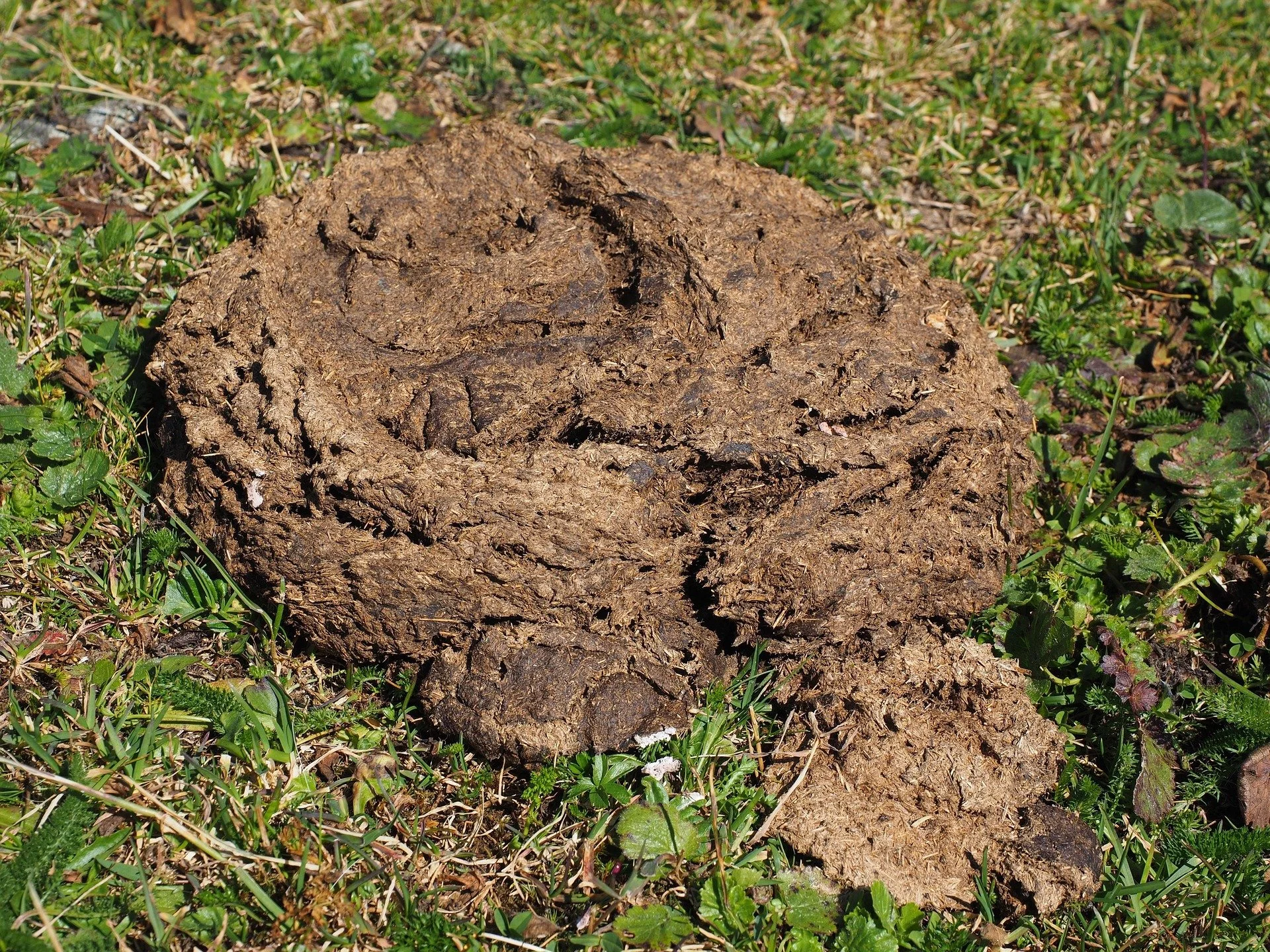
There is a lot more information lying in the paddock than most dairy farmers probably give it credit for. Among the grass, clover, cow pats and hoof prints is a surprisingly useful little report card on what is happening inside the cow.
It might not be the most glamorous part of dairy farming, but taking a moment to look at your cows’ dung can provide useful clues about how they are digesting their feed, how quickly that feed is passing through the digestive system and whether something has changed in the diet or the way cows are eating it.
The important word here is clues. Cow dung is not a crystal ball, and a loose pat does not automatically mean a cow has a rumen problem. For New Zealand pasture-based dairy farmers in particular, interpreting what is on the ground needs to take into account the type of feed the cows are eating, the season, pasture dry matter, supplementary feed and what else is happening in the herd.
So before reaching for the hay bale because the paddock suddenly looks like it has been decorated with runny cow pats, take a closer look.
“Your cows are constantly leaving clues about what is happening inside them. The trick is learning how to read them in context.”
Start with the consistency
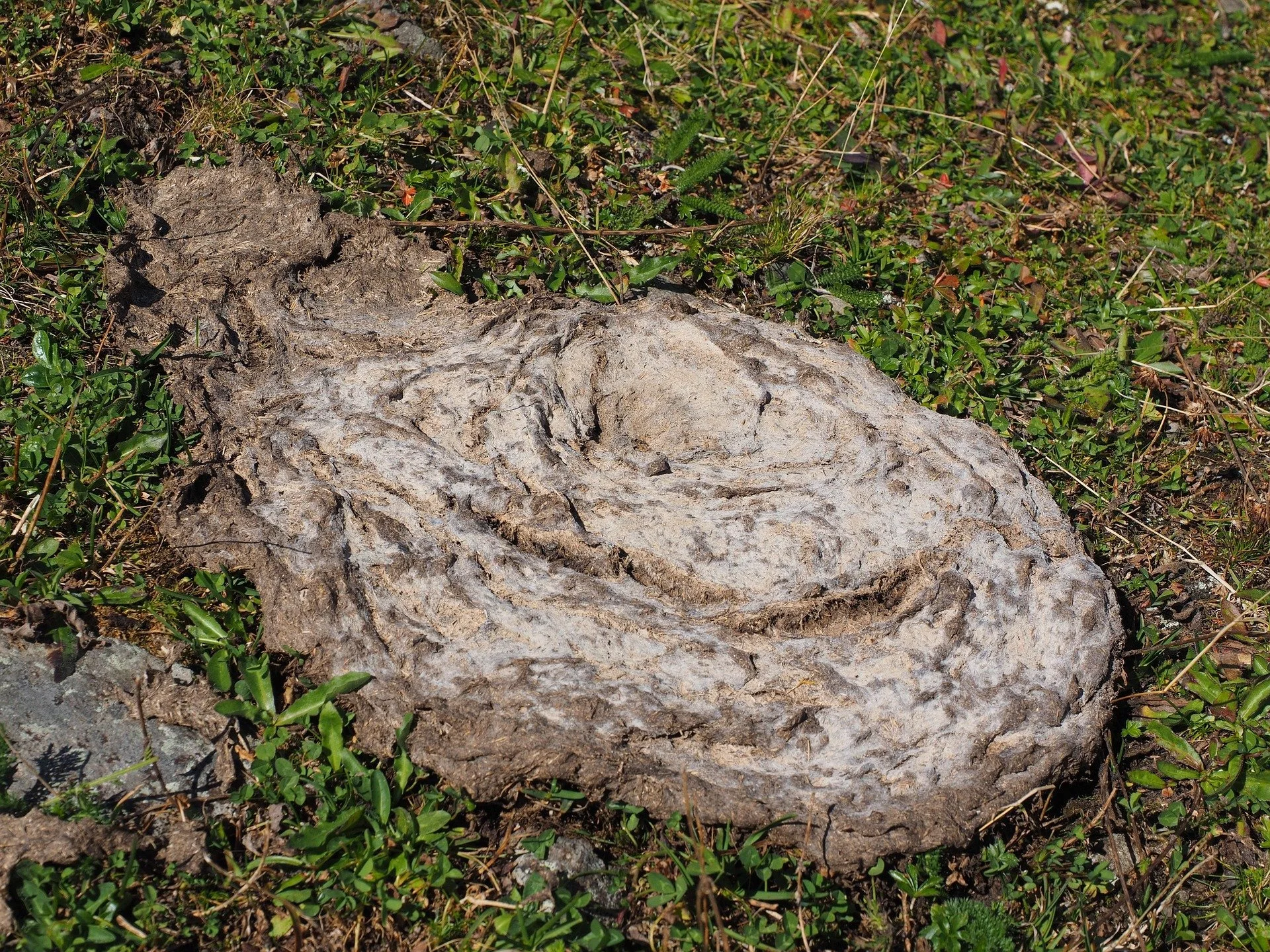
One of the easiest things to assess is the consistency of the dung. Fresh manure from a healthy, well-fed lactating cow will generally have a soft, cohesive, porridge-like consistency rather than being either watery or extremely firm. However, there is no single perfect appearance that applies to every cow in every farming system.
A cow grazing lush, high-moisture spring pasture can naturally produce much looser dung because there is simply a considerable amount of water going through the cow. This is particularly important in New Zealand pasture-based systems, where the appearance of the dung can change as pasture dry matter and composition change.
That means the old assumption that loose dung automatically equals acidosis needs to be treated with caution. Dairy cows eating predominantly pasture can have loose dung without having a rumen disorder, particularly when the pasture has a high water content.
The bigger question is whether the dung has changed.
If the herd normally produces reasonably consistent pats and suddenly the whole mob is producing much looser manure, it is worth asking what has changed in the cows' diet or environment. Has the pasture changed? Have cows moved onto a different paddock? Has supplementary feed been altered? Has intake changed? Is there a sudden change in weather or heat? Are the cows eating the same ration as they were a few days ago?
Looking at the dung once is interesting. Looking at it regularly is much more useful.
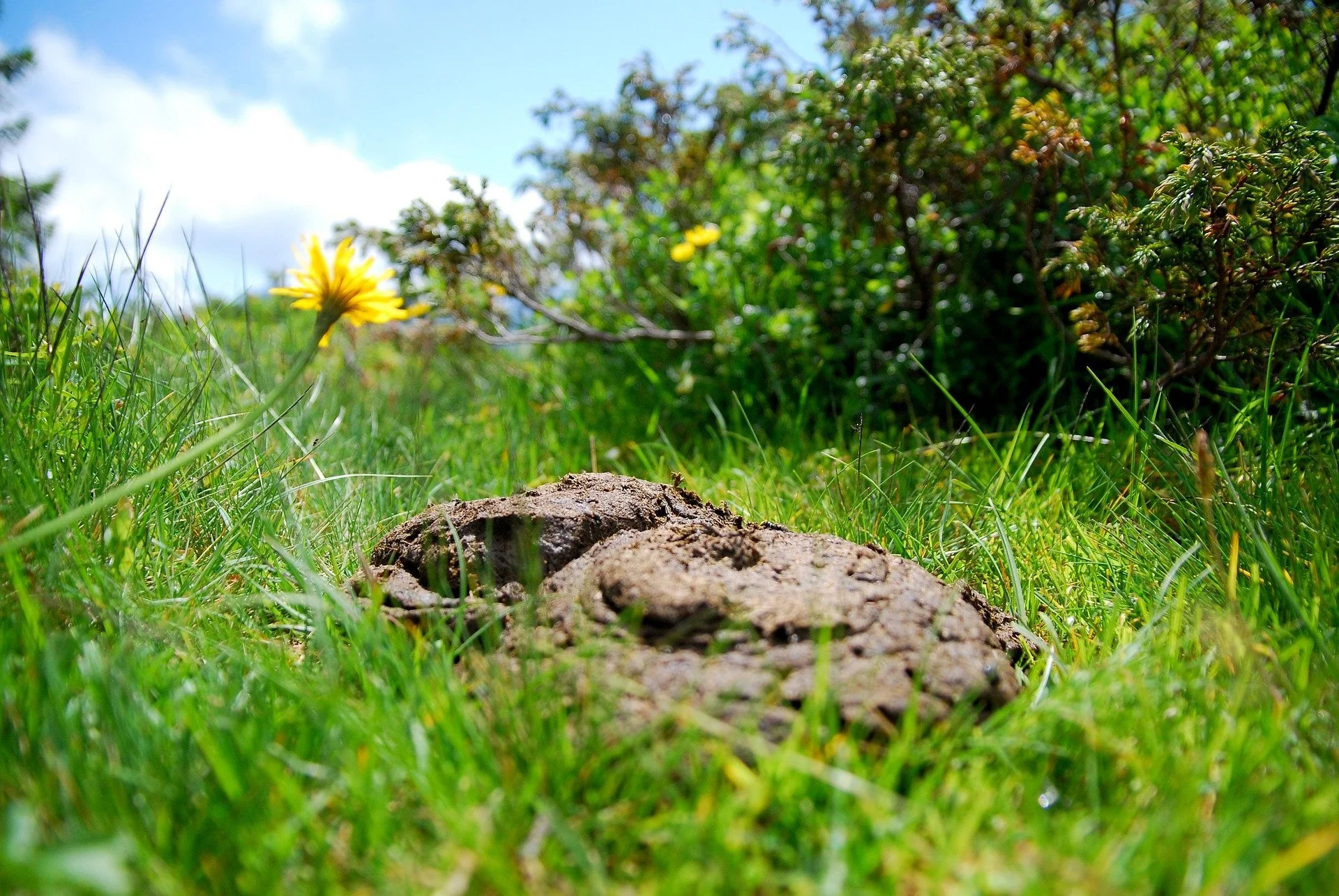
Look beyond the pat
Consistency is only one part of the story. The contents of the dung can tell you plenty as well.
Take a fresh cow pat and have a look at what is actually in it. Are there obvious pieces of long grass? Can you recognise feed particles? Are there whole grains or pieces of supplement that look remarkably similar to the feed that went into the cow in the first place?
Seeing some recognisable plant material is not necessarily a reason to panic. Cows are not designed to turn every last piece of plant material into an indistinguishable brown paste. However, large amounts of recognisable or poorly digested material can provide a reason to look more closely at what is happening with feed intake, rumination and passage through the digestive system.
The rumen is a fermentation vat of extraordinary complexity. Feed needs to be chewed, mixed with saliva and fermented by rumen microbes before nutrients can be effectively utilised. When feed passes through too quickly, or the diet and feeding pattern interfere with normal rumen function, more undigested material can end up leaving the cow.
This is where looking at the dung alongside other cow signals becomes important.
What about the colour?
Colour can vary considerably depending on what the cow has been eating, so it is best not to become fixated on whether a pat is green, brown, yellowish or somewhere in between.
A change in colour across a herd can nevertheless be worth noting, particularly when it occurs alongside a change in consistency, feed intake, milk production or general cow behaviour.
Think of dung as one piece of the puzzle rather than the entire picture.
If the cows are bright, eating well, ruminating, maintaining production and condition, and the only thing that has changed is that their dung looks a little looser after moving onto very lush pasture, the situation is quite different from a herd that suddenly has watery manure alongside reduced appetite, falling production or cows that simply do not look right.
That distinction is important because disease, infection, toxins, dietary changes and other health issues can also cause changes in manure.
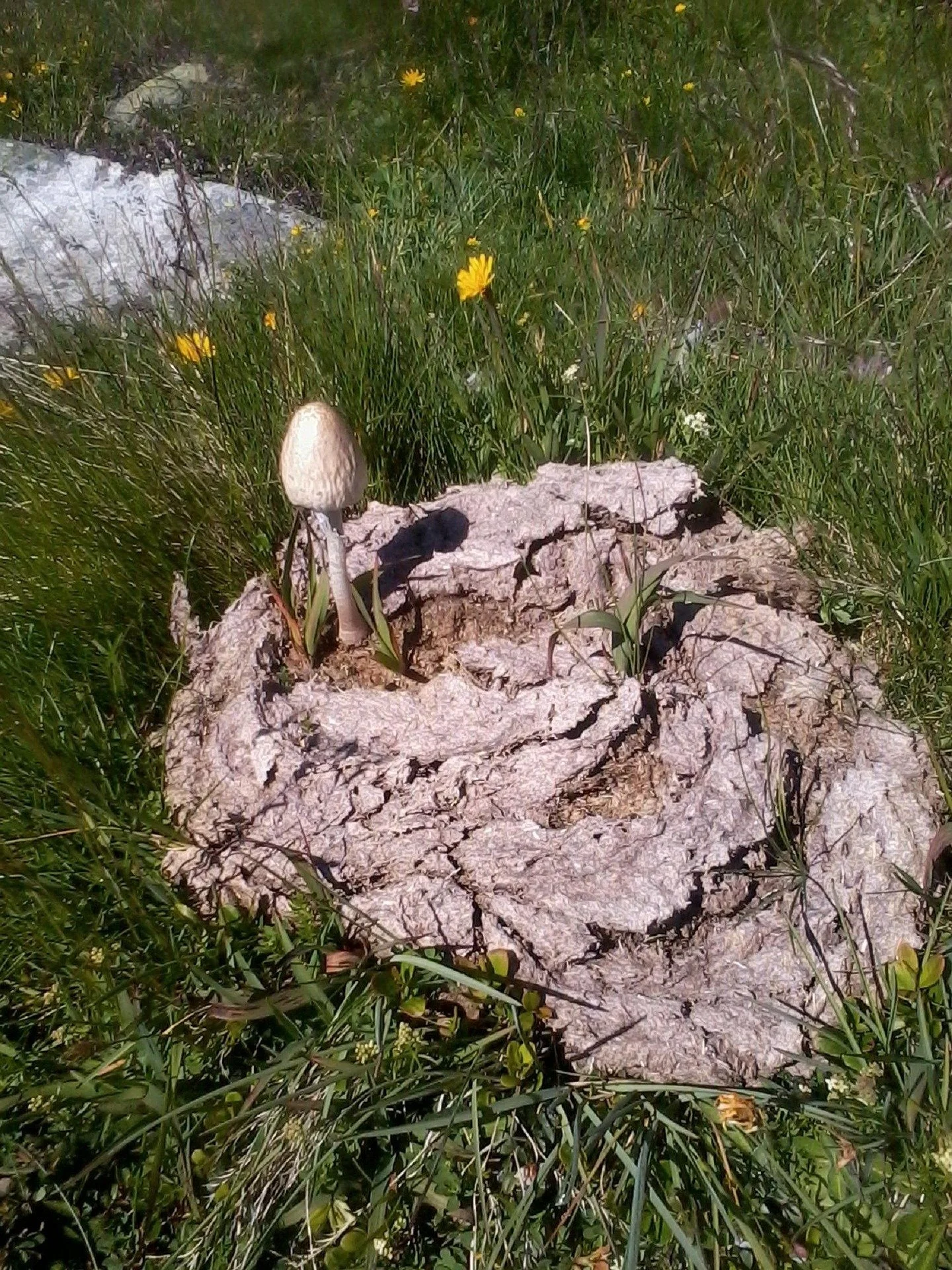
The importance of undigested feed
Perhaps one of the more useful things to look for is what has failed to disappear.
If you can see significant amounts of undigested feed in the manure, it is worth investigating why. Large fibre particles can indicate that feed is moving through the digestive tract before it has been sufficiently broken down and fermented. Recognisable grain can also be a clue that the cow is not making full use of what she has been fed.
This does not necessarily mean the feed itself is poor. It can relate to how the ration is formulated, how feed is processed, how cows are eating it, the rate of passage through the digestive tract or how effectively cows are chewing and ruminating.
For farmers feeding higher levels of supplementary feed, particularly where starch is an important component of the diet, changes in manure can be considered alongside other signs of rumen function. For pasture-based cows, however, the interpretation needs to be different because the rumen environment and passage rate are not the same as those of cows consuming a high-input total mixed ration.
Do not forget the cow attached to it
This is perhaps the most important part of analysing cow dung.
Do not analyse the poo and forget to analyse the cow.
Look at the cows themselves. Are they eating enthusiastically? Are they chewing their cud? Are they settled after grazing? Is milk production where you expect it to be? Are milkfat and protein behaving normally? Are cows maintaining condition? Are they showing signs of discomfort or digestive upset?
Then look at the feed. Has the pasture changed? Has the supplementary feed changed? Is there a difference between paddocks? Are cows sorting feed where supplementary feed is offered? Has there been a sudden change in allocation?
And finally, look at the pattern across the herd.
One cow producing a different-looking pat is not the same as an entire herd changing overnight.
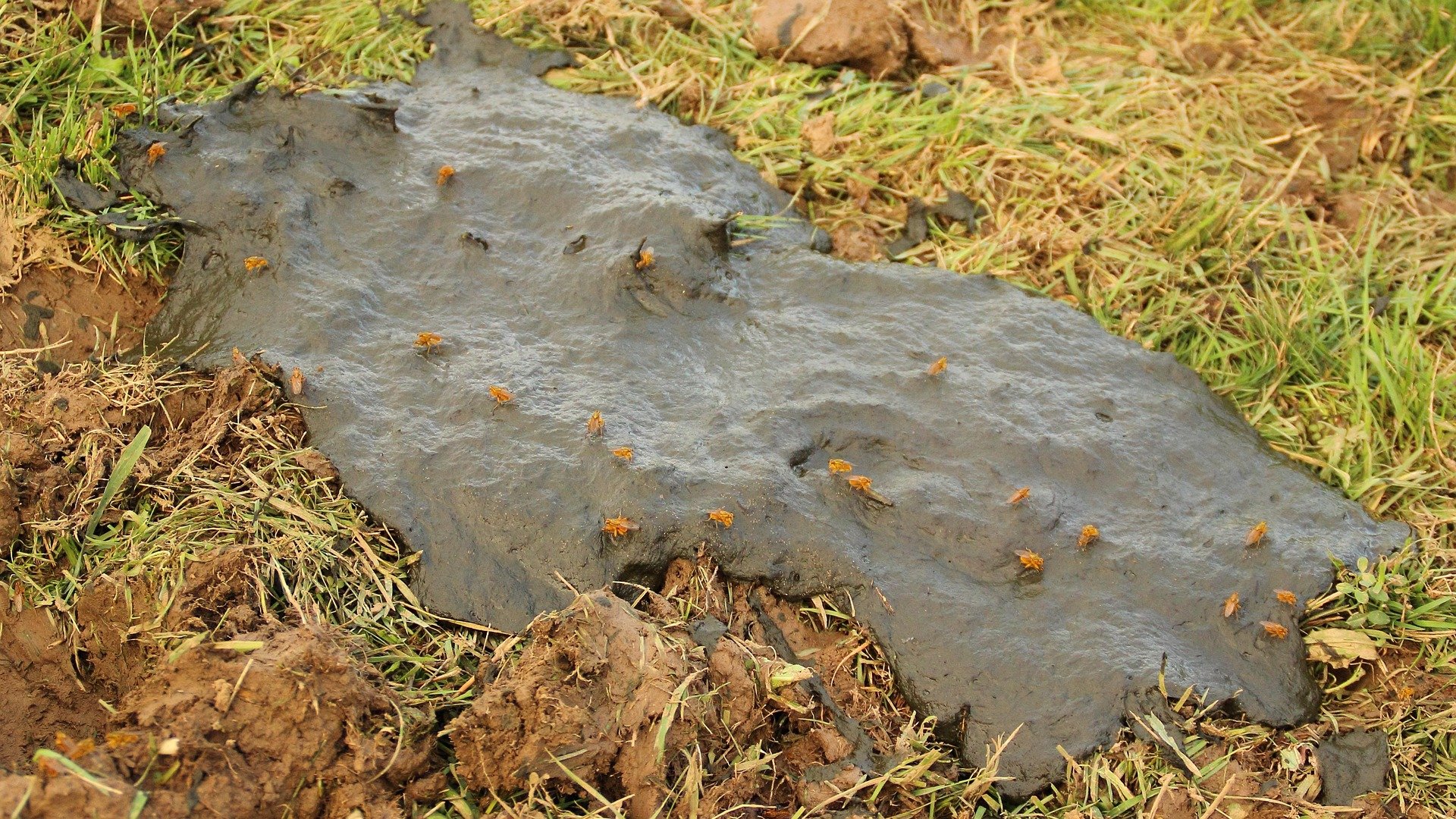
When loose dung is not necessarily bad
For pasture-based dairy farmers, this is worth emphasising because it is easy to fall into the trap of assuming that firmer dung must automatically be healthier dung.
It does not work quite that simply.
Spring pasture can contain a high proportion of water, and that additional water can pass through the cow and result in loose dung. Pasture-fed cows can also have faster passage rates than cows eating some other types of diets. Consequently, loose dung on its own should not automatically be interpreted as evidence of inadequate fibre or rumen acidosis.
This is one reason why making a knee-jerk change to the diet based solely on what the cow pat looks like can sometimes do more harm than good. The answer is not always to add more fibre or make the ration more complicated.
Instead, ask what has changed and whether there are other signs supporting the theory that something is wrong.
A simple paddock habit
You do not need a laboratory, complicated equipment or a clipboard to start paying more attention to your cows' dung.
Make it part of your normal stockmanship routine.
When you are shifting cows, walking through the paddock or checking a mob, take a few seconds to look at some fresh pats. Look at the consistency, the appearance and whether there are obvious undigested feed particles. More importantly, compare what you are seeing today with what you normally see.
Over time, you will develop your own picture of what is normal for your cows, your pasture and your feeding system.
If something changes, that is when the investigation begins.
A more detailed assessment can also involve collecting representative samples and washing them through a sieve to look at particle size and undigested feed. This can provide additional information, particularly in higher-input feeding systems, but it should be interpreted alongside the ration and other measures of cow performance rather than in isolation.
The bigger picture
The humble cow pat is certainly not going to replace pasture walks, feed testing, milk production records, body condition scoring, observation of cud chewing or advice from your animal health and nutrition professionals.
What it can do is give you another piece of information.
Good dairy farming is often about noticing small changes before they become big ones. The cow herself is continually providing information through her behaviour, production, body condition, rumination and, yes, what she leaves behind her.
So next time you are walking through the herd and find yourself stepping carefully around a fresh cow pat, perhaps give it a second glance.
It might just be telling you something.
“The best manure assessment is not about finding a perfect-looking cow pat. It is about noticing changes and putting those changes into the context of the whole herd.”
Make manure observation part of your regular herd checks, but resist the temptation to diagnose a problem from dung alone. Look for patterns across the mob and consider consistency, visible feed particles, pasture conditions, supplementary feeding, cow behaviour, rumination, production and body condition together.
For New Zealand pasture-based dairy systems, remember that loose dung can be a perfectly normal response to high-moisture pasture, particularly when cows are otherwise healthy and performing as expected.
When manure changes significantly or is accompanied by poor appetite, falling production, obvious digestive upset or cows that are not themselves, it is time to investigate rather than simply changing the ration on a hunch.
After all, there is plenty of information in a cow pat. You just need to know what you are looking at.