Where Millions of Small Farms Feed a Nation
This is the third in our Around the World Series of articles on how the world produces milk.
How the world's largest milk producer built a dairy powerhouse one family at a time
When most New Zealand farmers think of the world's biggest dairy producers, they often picture vast herds, enormous rotary dairies and highly mechanised farming systems. India turns that image completely on its head.
Despite producing more milk than any other country on Earth, the backbone of India's dairy industry is not large corporate farms. Instead, it is millions of families, many caring for just two, three or four cows or water buffalo. Individually, these farms appear almost insignificant. Together, they form the largest dairy industry in the world.
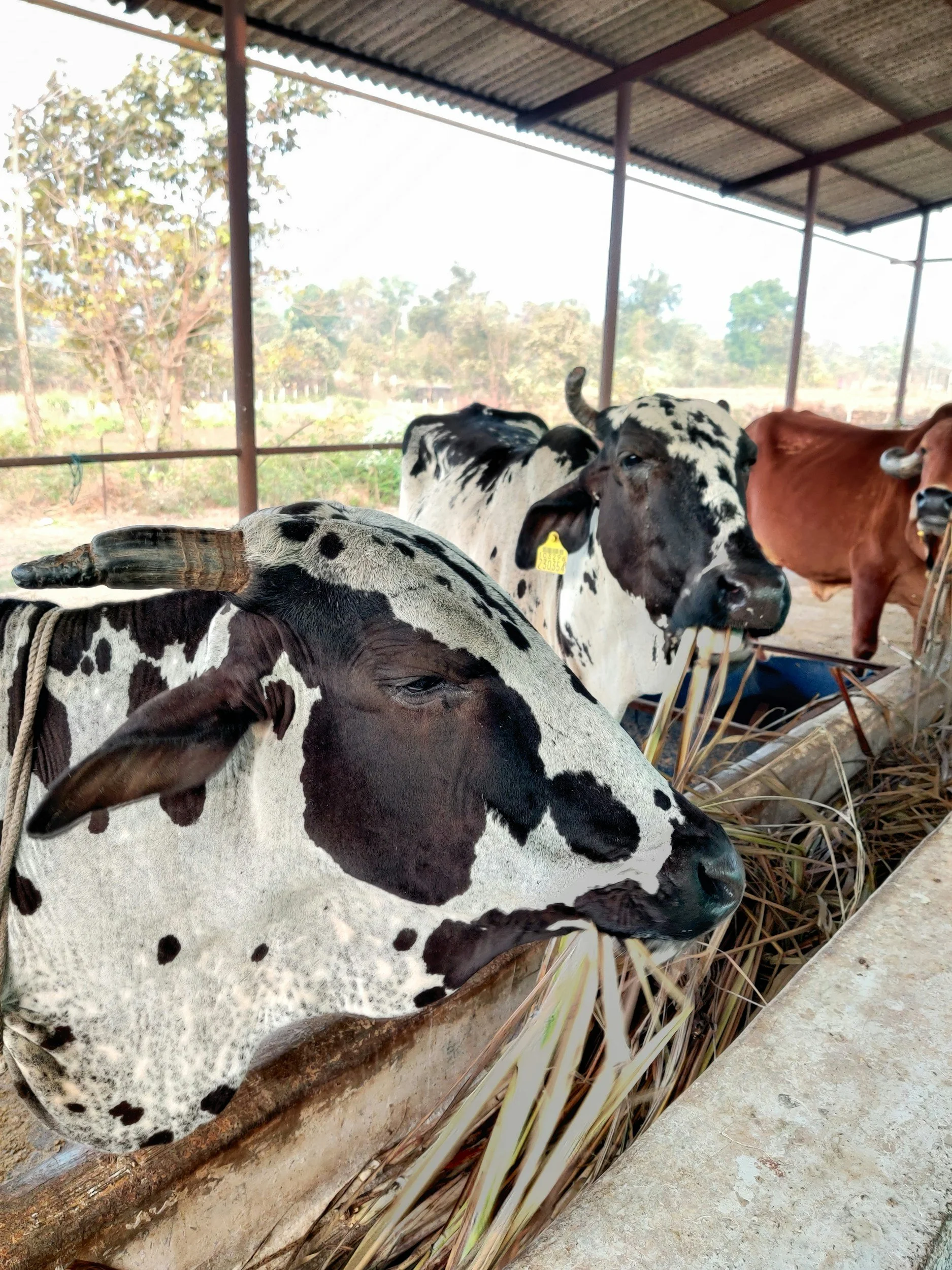
It is a remarkable example of how scale can be achieved not through bigger farms, but through millions of small producers working towards a common goal.
Unlike New Zealand, where dairying is often the primary farming enterprise, milk production in India is frequently one part of a much broader household livelihood. Crops, vegetables, poultry and other livestock commonly share the same property, with dairy animals providing a reliable source of daily income.
For many rural families, milk sales generate regular cash flow that helps pay for school fees, household expenses and farm inputs. Rather than waiting for seasonal harvests, milk provides income every day of the year.
This steady return has helped make dairying one of the country's most important agricultural industries, supporting the livelihoods of tens of millions of people across both rural villages and regional communities.
One of the most noticeable differences for visitors is the important role played by water buffalo.
While cows contribute significantly to India's milk supply, buffalo produce well over one-third of the country's total milk production. Their rich, creamy milk contains higher butterfat levels than cow's milk, making it particularly valuable for producing traditional dairy products such as ghee, yoghurt, paneer and sweets that form an important part of Indian cuisine.
Buffalo are also well suited to many parts of India. They cope well with hot climates, can utilise lower-quality feed and are highly valued by farming families for their adaptability and longevity.
To New Zealand farmers, where Friesian, Jersey and crossbred cows dominate the landscape, the sight of buffalo quietly making their way through village streets to be milked is a reminder that successful dairy farming takes many different forms around the world.
Perhaps the greatest strength of India's dairy industry lies not in its animals, but in its cooperative system.
Every morning and evening, millions of farmers deliver fresh milk to village collection centres. Here, every can of milk is tested for quality and butterfat before being weighed and recorded. Farmers are paid according to both volume and quality, providing an incentive to continually improve production.
The milk is then transported through an extensive network of chilling facilities and processing plants before reaching consumers across one of the world's largest populations.
Without these collection centres and cooperatives, many small farmers would have no practical way of accessing commercial markets.
The cooperative model has transformed rural communities by allowing families with only a handful of animals to participate in a nationally significant dairy industry.
“India proves that the world’s largest dairy industry wasn’t built by the biggest farms—it was built by millions of families, one bucket of milk at a time.”
For New Zealand farmers accustomed to measuring herd sizes in hundreds or even thousands of cows, the economics of India's small farms may seem difficult to understand.
Yet profitability is measured differently.
Labour is largely provided by family members, infrastructure costs are modest and feed often comes from crop residues, roadside forage and locally available resources. Every litre of milk contributes directly to household income, making even small daily volumes economically important.
Success is not always measured by litres per cow or kilograms of milksolids per hectare. Instead, it is measured by providing stable income, improving food security and creating opportunities for families to remain in rural communities.
Technology is also beginning to reshape India's dairy sector.
Mobile payment systems, digital milk testing equipment, improved genetics, artificial insemination programmes and better animal health services are helping lift productivity while preserving the small-farm structure that underpins the industry.
As consumer demand continues to grow, investment in cooling infrastructure, processing facilities and farmer education is strengthening the entire supply chain.
For many international visitors, one of the biggest lessons India offers is that there is no universal definition of a dairy farm.
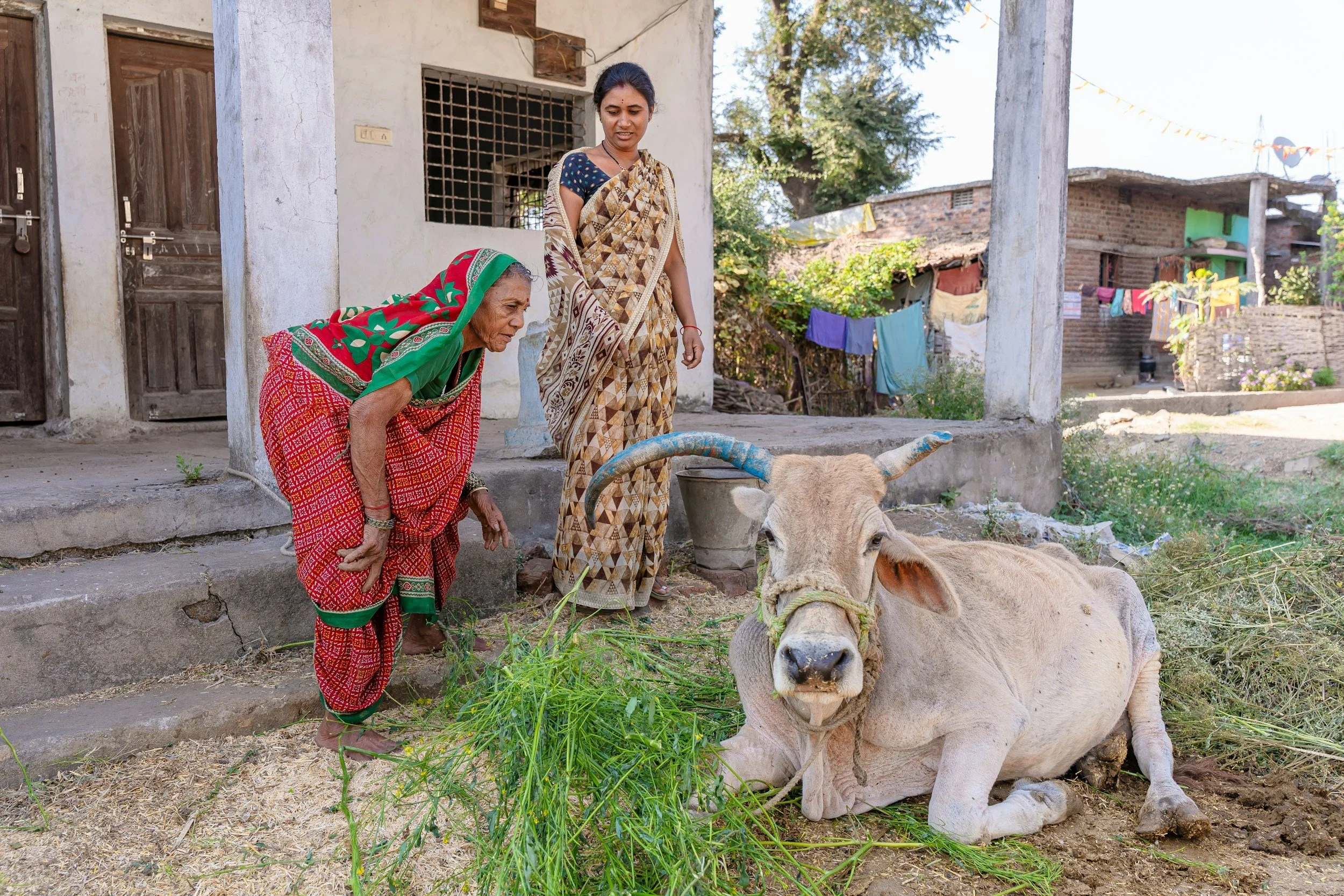
In New Zealand, efficiency is often linked to pasture utilisation, labour productivity and export markets. In India, success is equally about community participation, reliable daily income and ensuring millions of small producers remain connected to the marketplace.
Both systems are highly successful because they have evolved to suit their own environments, resources and people.
That is perhaps the most valuable lesson of this series.
The world's best dairy systems are not copies of one another. They are shaped by geography, culture, climate and necessity. What works exceptionally well in one country may not be practical in another, yet every system has ideas worth sharing.
India demonstrates that dairy farming is about far more than herd size. It is about creating opportunities, supporting families and building resilient rural communities through one of agriculture's most valuable products.
Tomorrow, our journey takes us to Egypt, where dairy farming has adapted to one of the world's hottest and driest environments. We'll discover how farmers produce milk in desert conditions, manage heat stress and make every drop of water count in a landscape where every resource is precious.